New
Art
City
Virtual Art Space
Art
City

Catalog view is the alternative 2D representation of our 3D virtual art space. This page is friendly to assistive technologies and does not include decorative elements used in the 3D gallery.
Space Title
Photogenic Divinity!
Within the World Titled
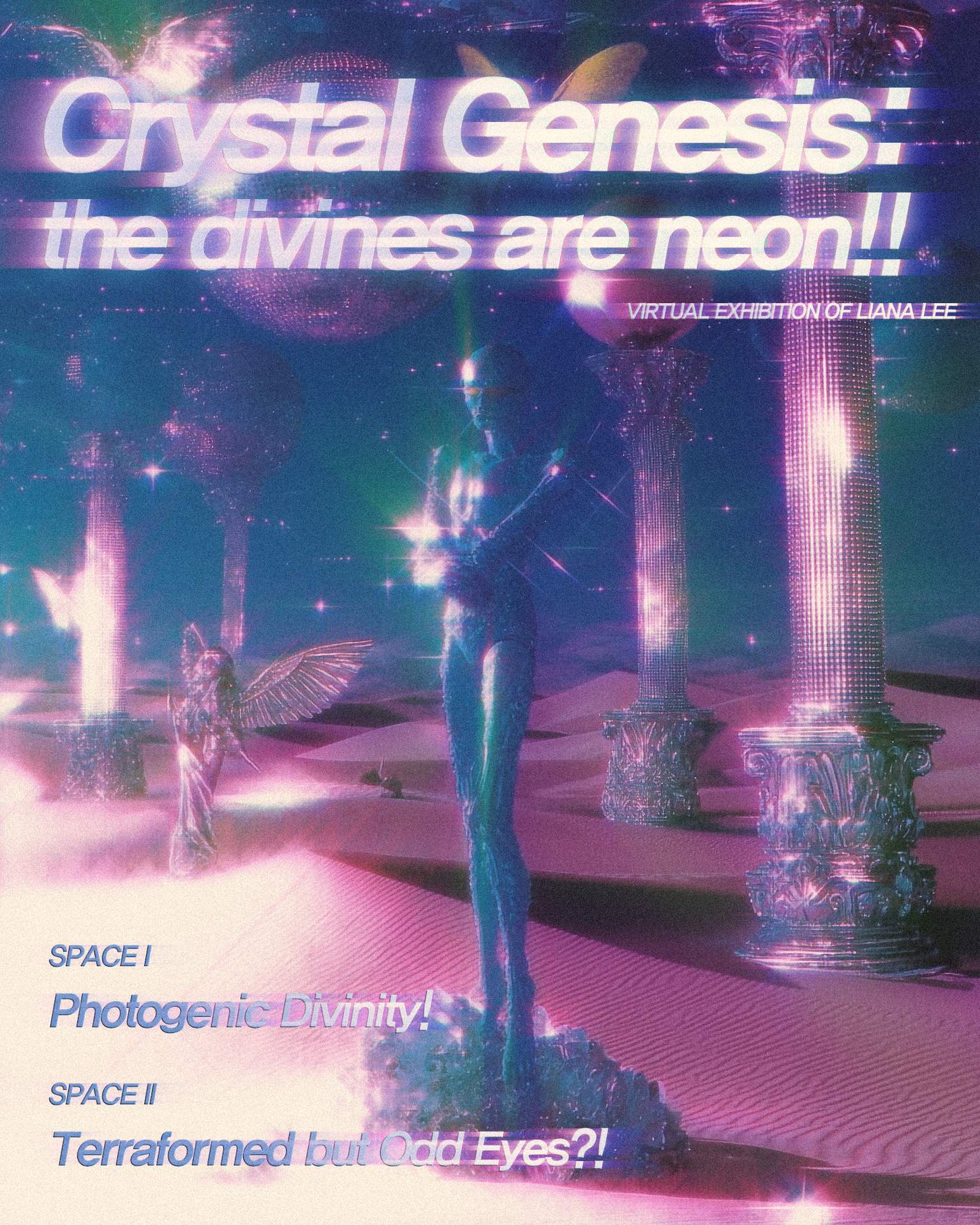
Crystal Genesis — the divines are neon!!
Credited to
Liana Lee
Opening date
December 9th, 2025
View 3D Gallery
Help Bring Crystal Genesis to Life!
Spaces in this world:
Statement:
They stand for everyone who ever had to pose.
A mirror-black hall where the floor ripples like water.
Viewers cross their own reflection while colossal figures rise in stillness.
Each step warps the surface, trading places between watcher and seen.
Artworks in this space:
Artwork title
Bathroom Dance (Joker OST) | Korean Dance x Interactive Deep-Sea Visuals
Artist name
Liana Lee
Artwork Description:
Dancer Yebin An performs a blend of Korean traditional and contemporary dance to "Bathroom Dance" from the Joker OST. The choreography reflects the flow of water, shifting between control and release. Behind her, interactive particle visuals respond in real-time, shaping an underwater world of movement and light.
Artwork title
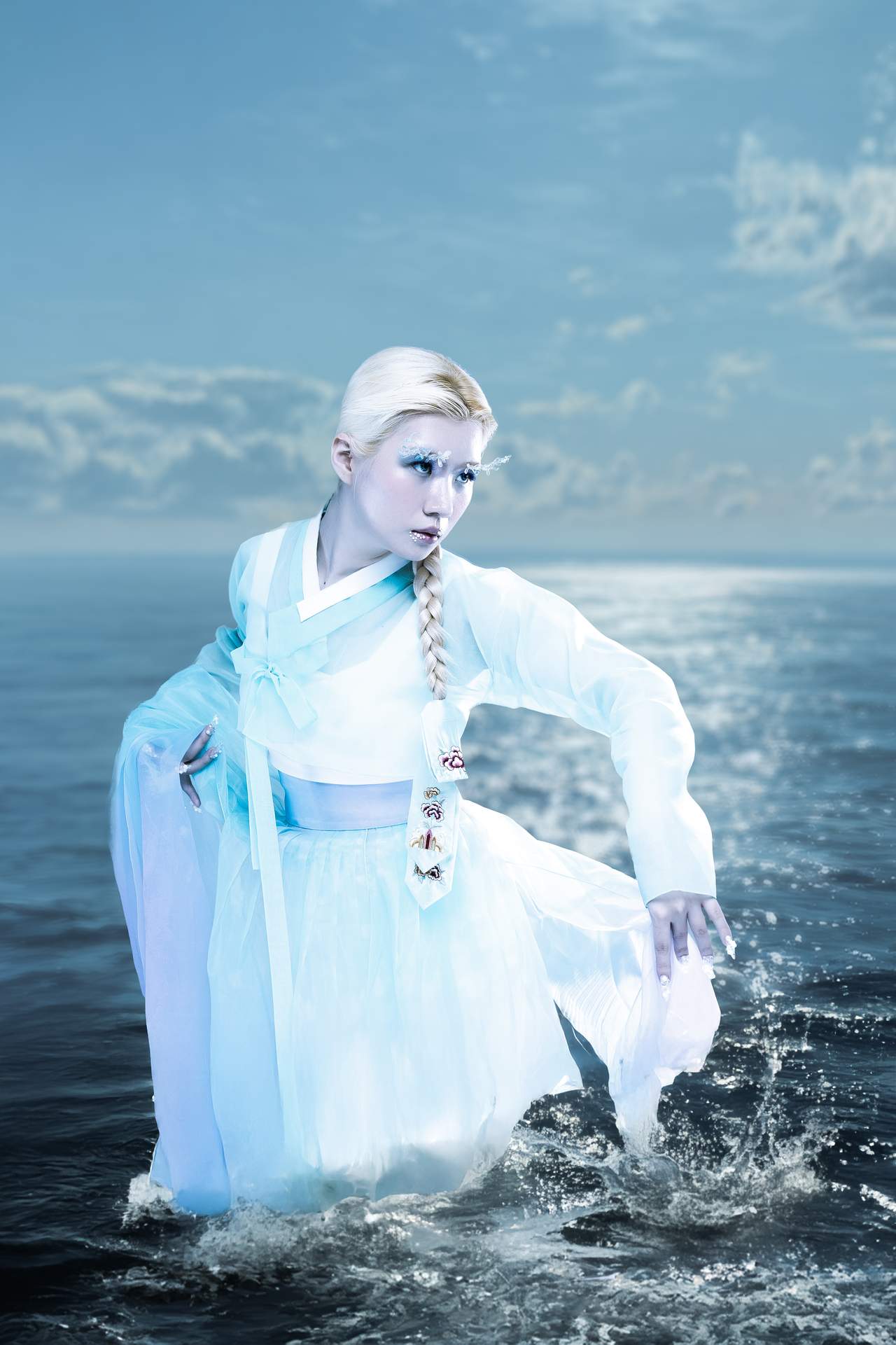
Siren of the East (2025)
Artist name
Liana Lee
Artwork title
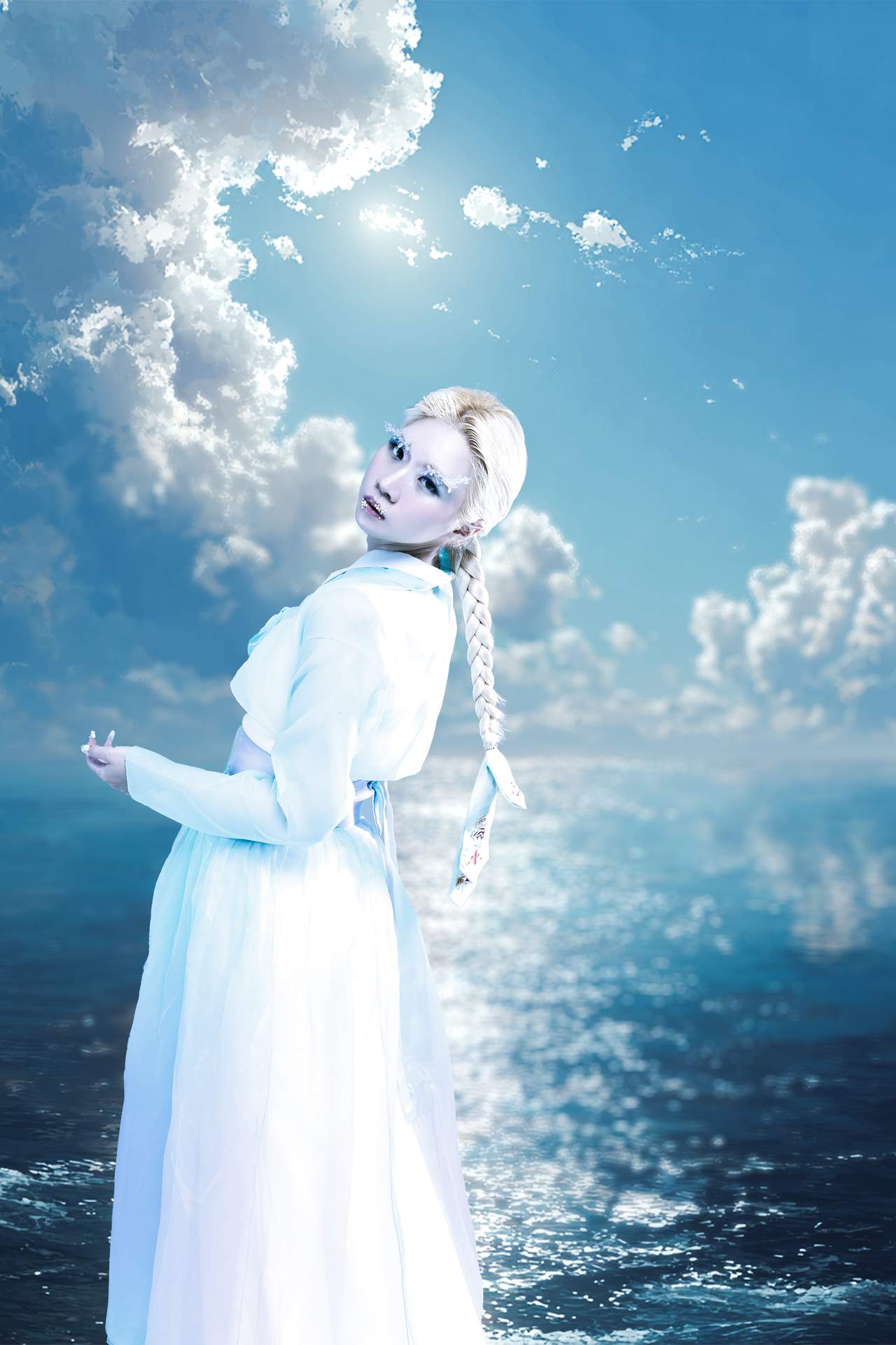
Water Ghost: Siren of the East (2025)
Artist name
Liana Lee
Artwork title
Sea in my veins (2025)
Artist name
Liana Lee
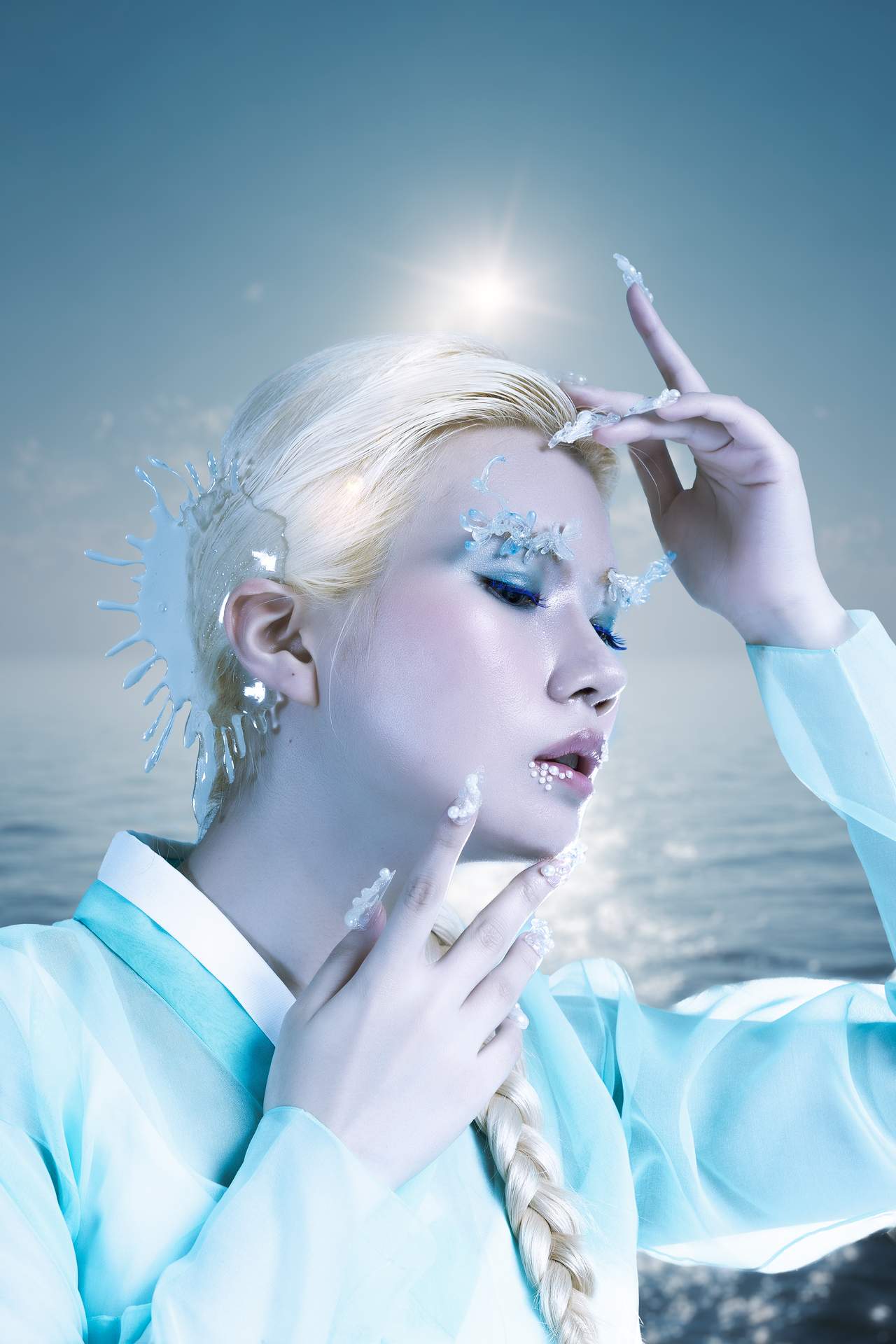
Artwork title
Siren born of the seafoam (2025)
Artist name
Liana Lee
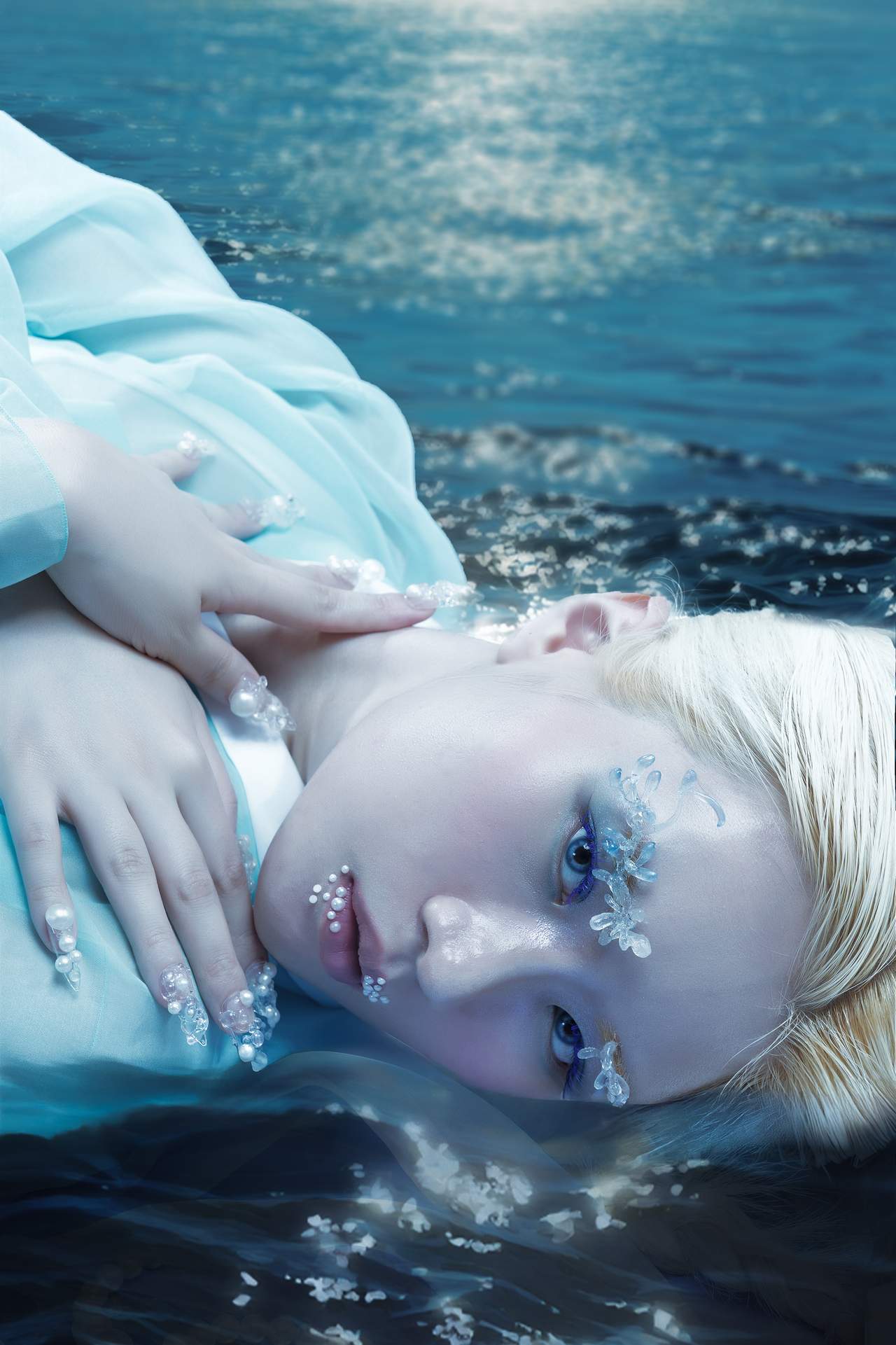
Artwork title
The Ferryman Doesn’t Speak 3 (2025)
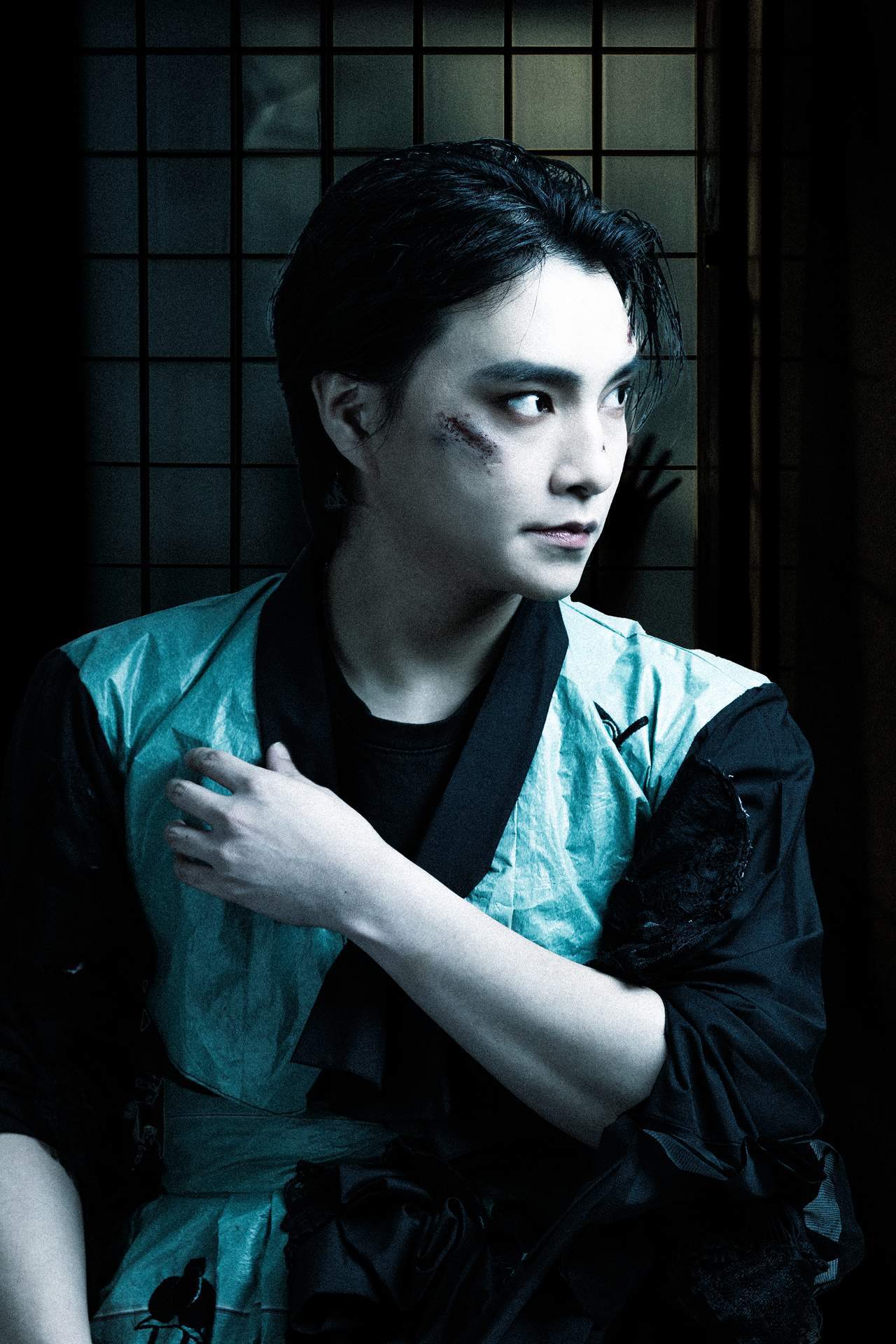
Artwork title
Where the Silence Begins (2025)
Artist name
Liana Lee
Artwork Description:
He stands still in the haze—face marked, gaze unwavering. There is no drama in this moment, only stillness before the threshold. Clad in ceremonial cloth torn by time, he grips the sword not to strike but to hold memory. The battle is behind him, or perhaps ahead. It does not matter.
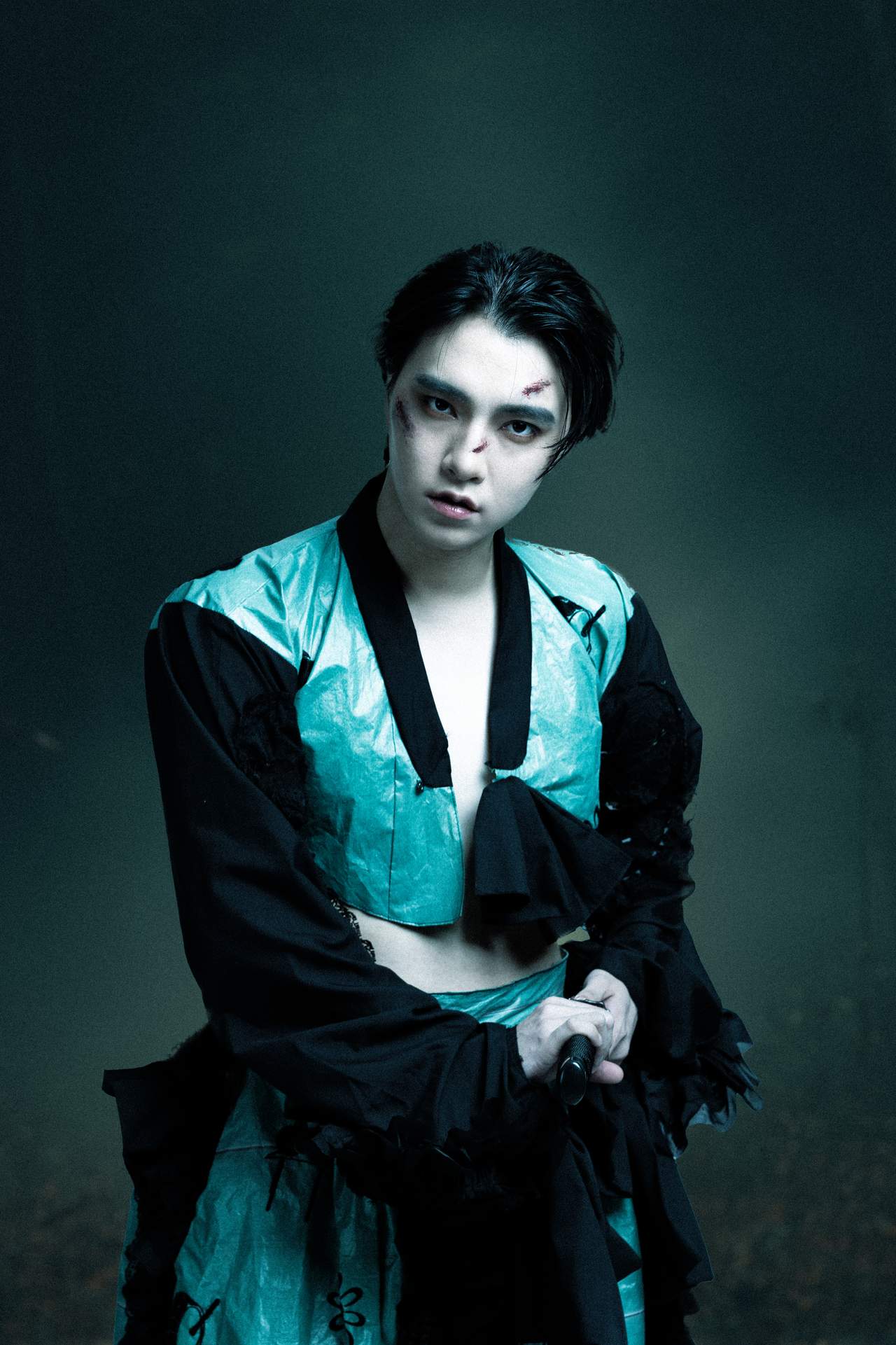
Artwork title
Unveil him (2025)
Artist name
Liana Lee
Artwork Description:
A brief moment of stillness before departure—where grief softens into silence, and the reaper becomes almost human.
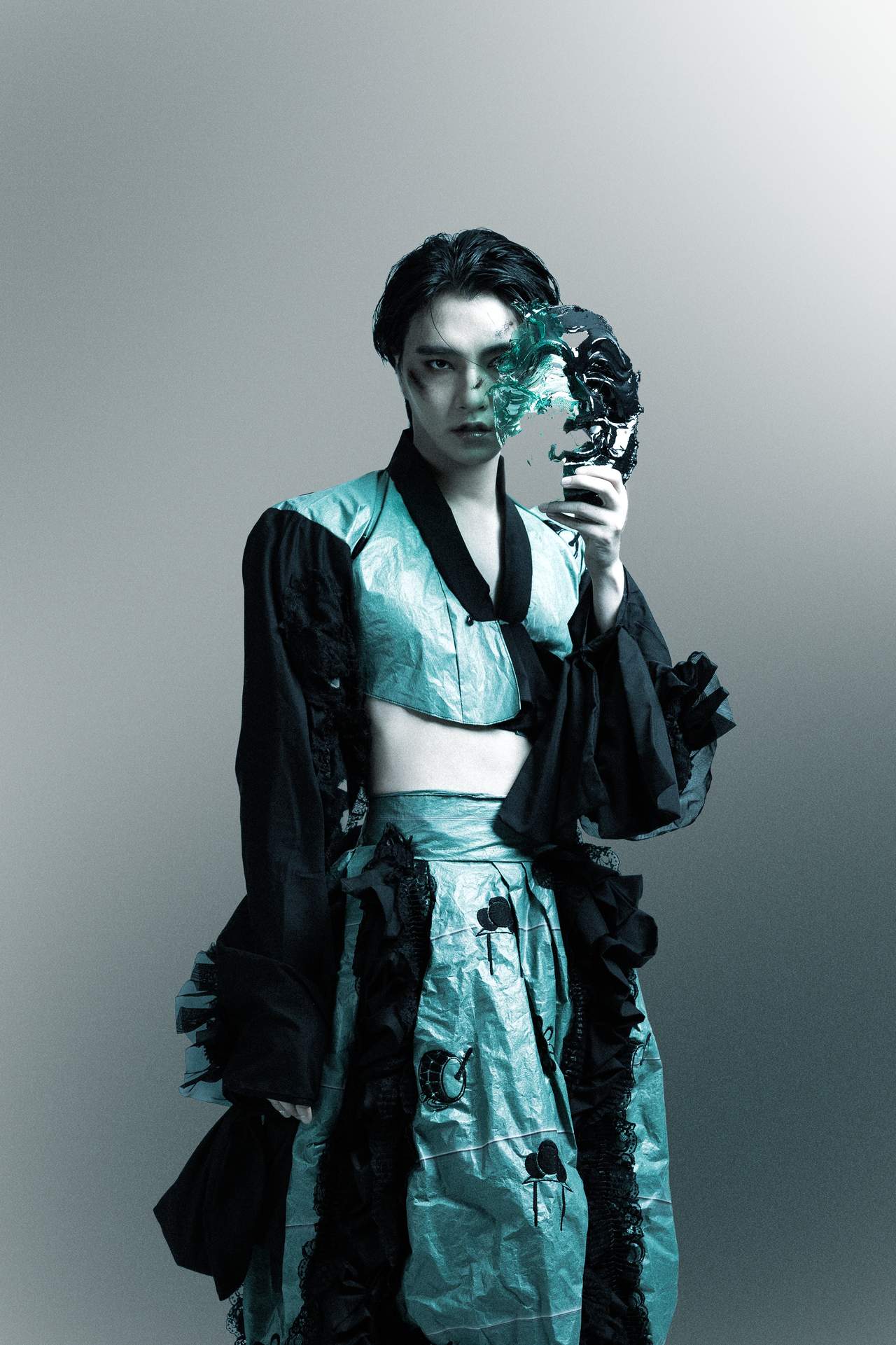
Artwork title
The Ferryman Doesn’t Speak 2 (2025)
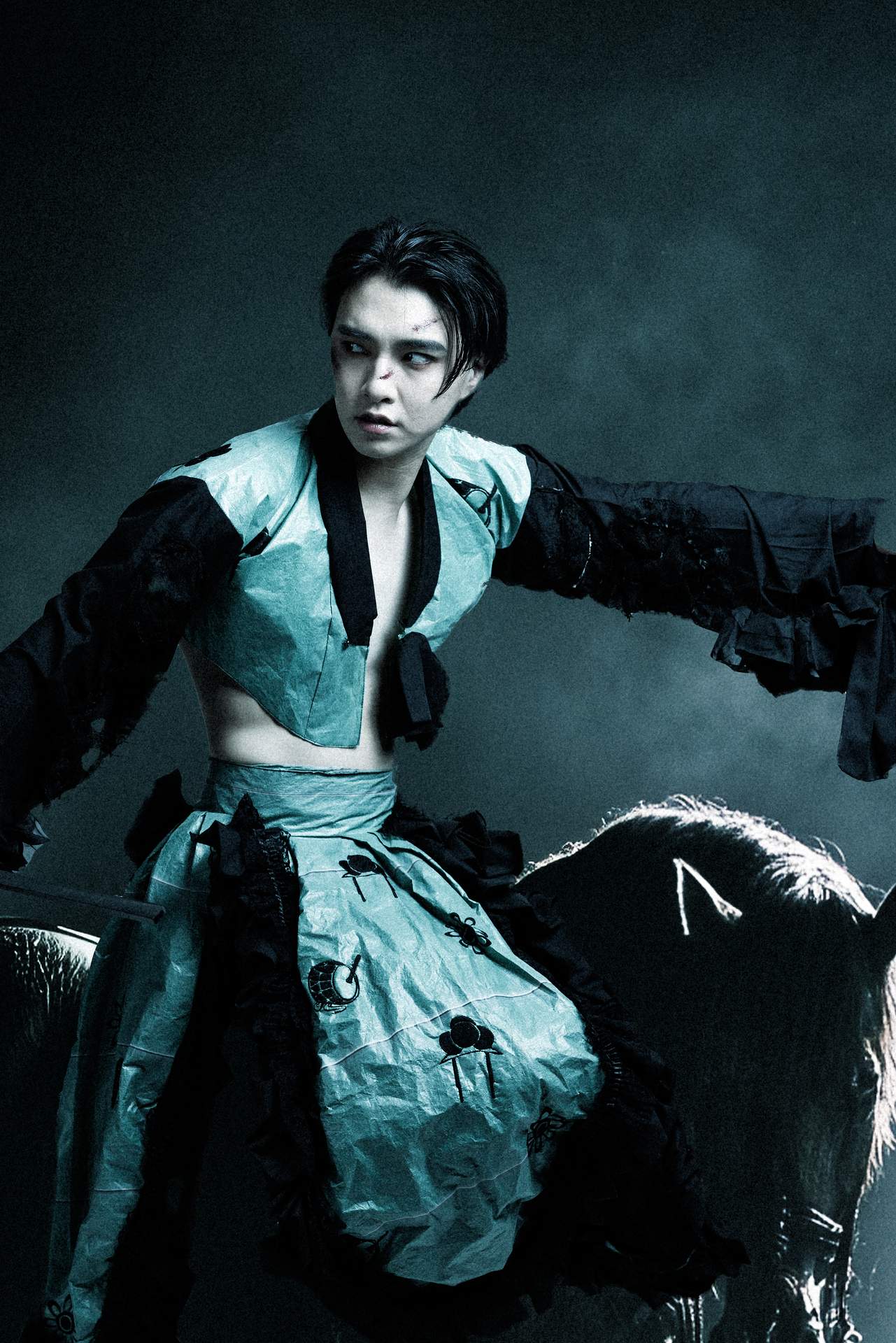
Artwork title
The Ferryman Doesn’t Speak 1 (2025)
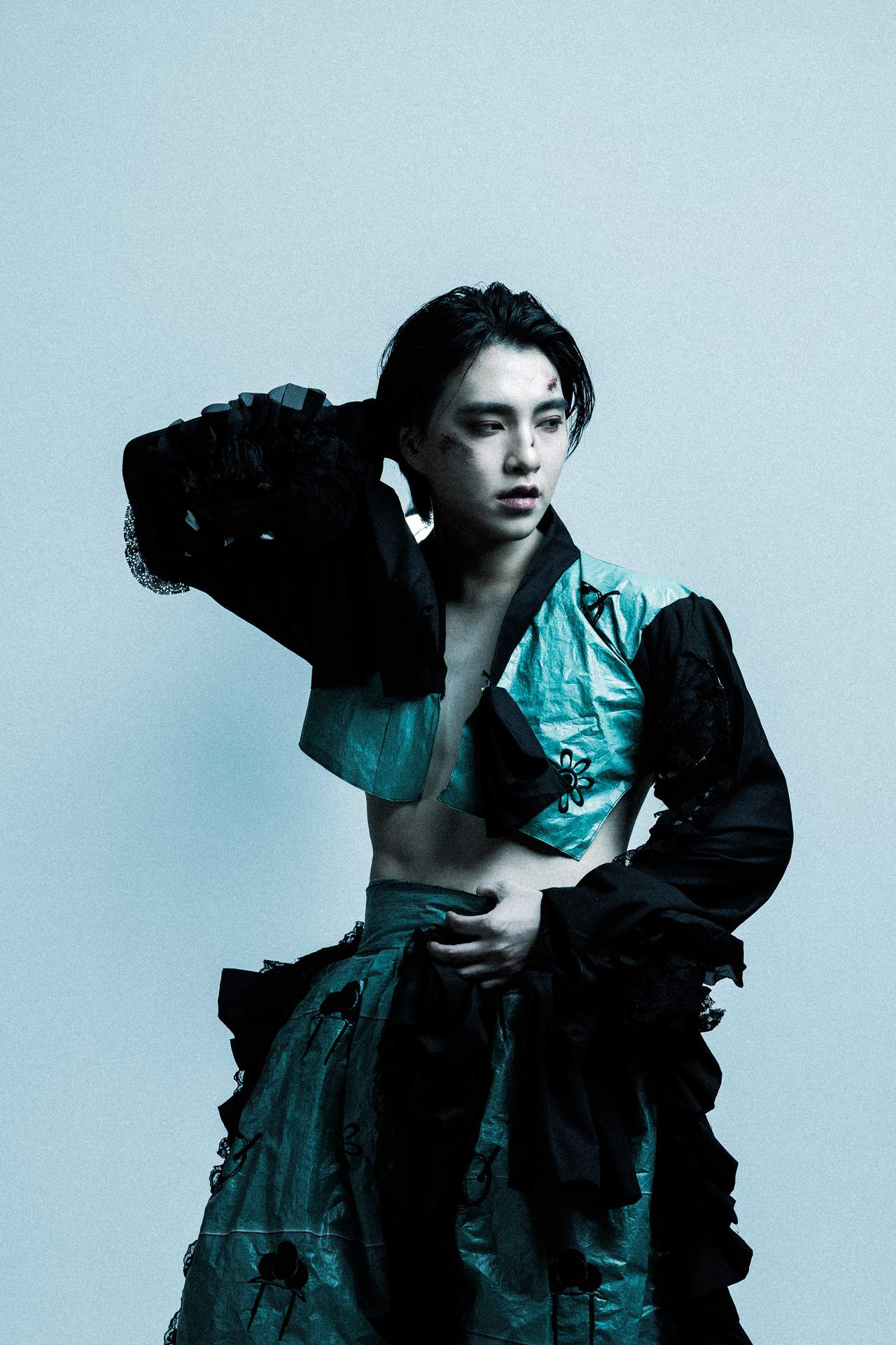
Artwork title
Blood Moon Ritual (2025)
Artist name
Liana Lee
Artwork Description:
A reaper rises from crimson water, caught in the stillness of an unspoken rite. His hanbok ripples like paper soaked in memory, while red eyes pierce through the dark. The pose is almost childlike, but his presence—solemn, surreal—disrupts it. This is a portrait of death made flesh, not in terror, but in trance. A god draped in mourning, resting at the edge of afterlife.
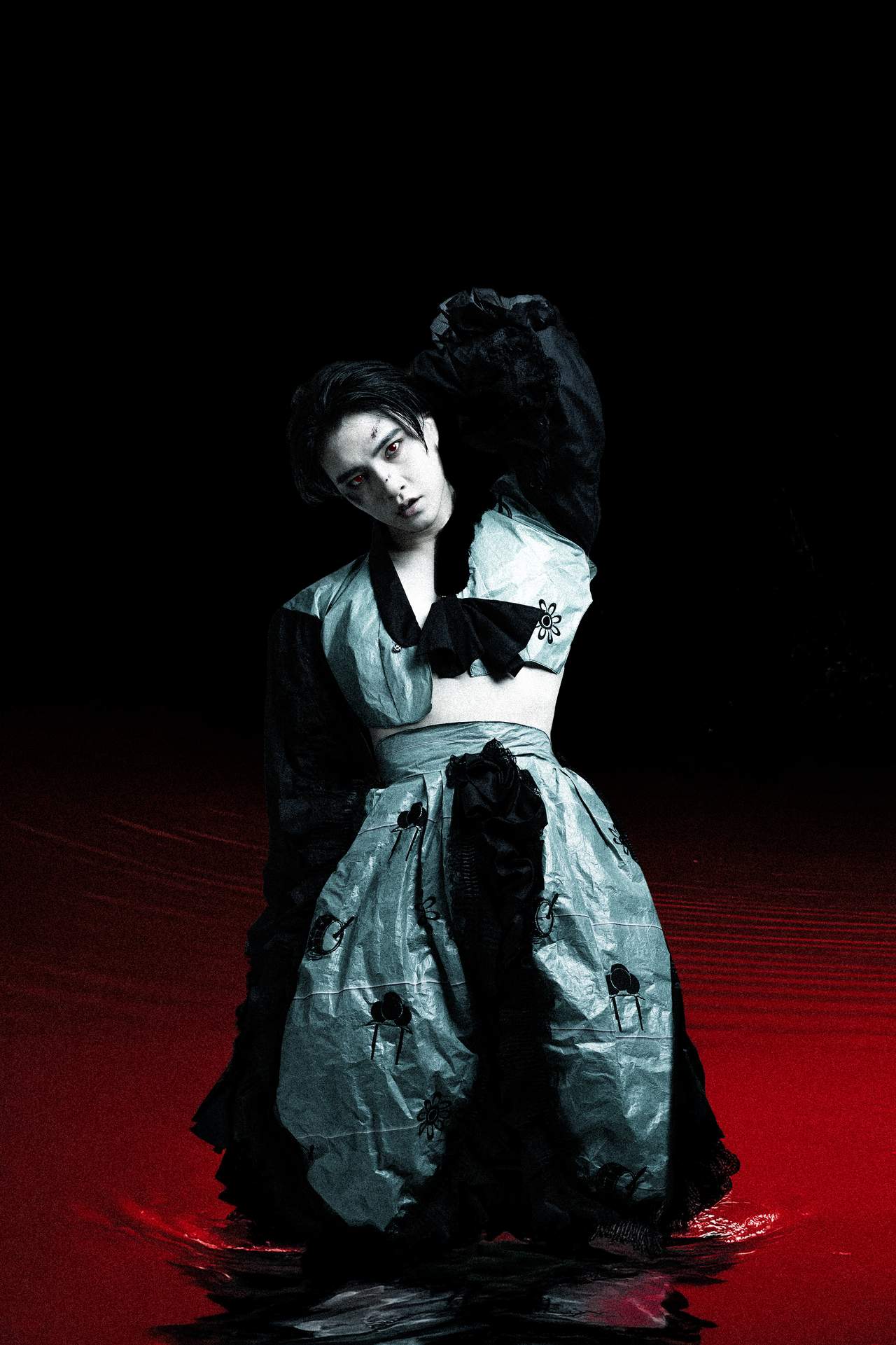
Artwork title
The Ferryman Doesn’t Speak 4 (2025)
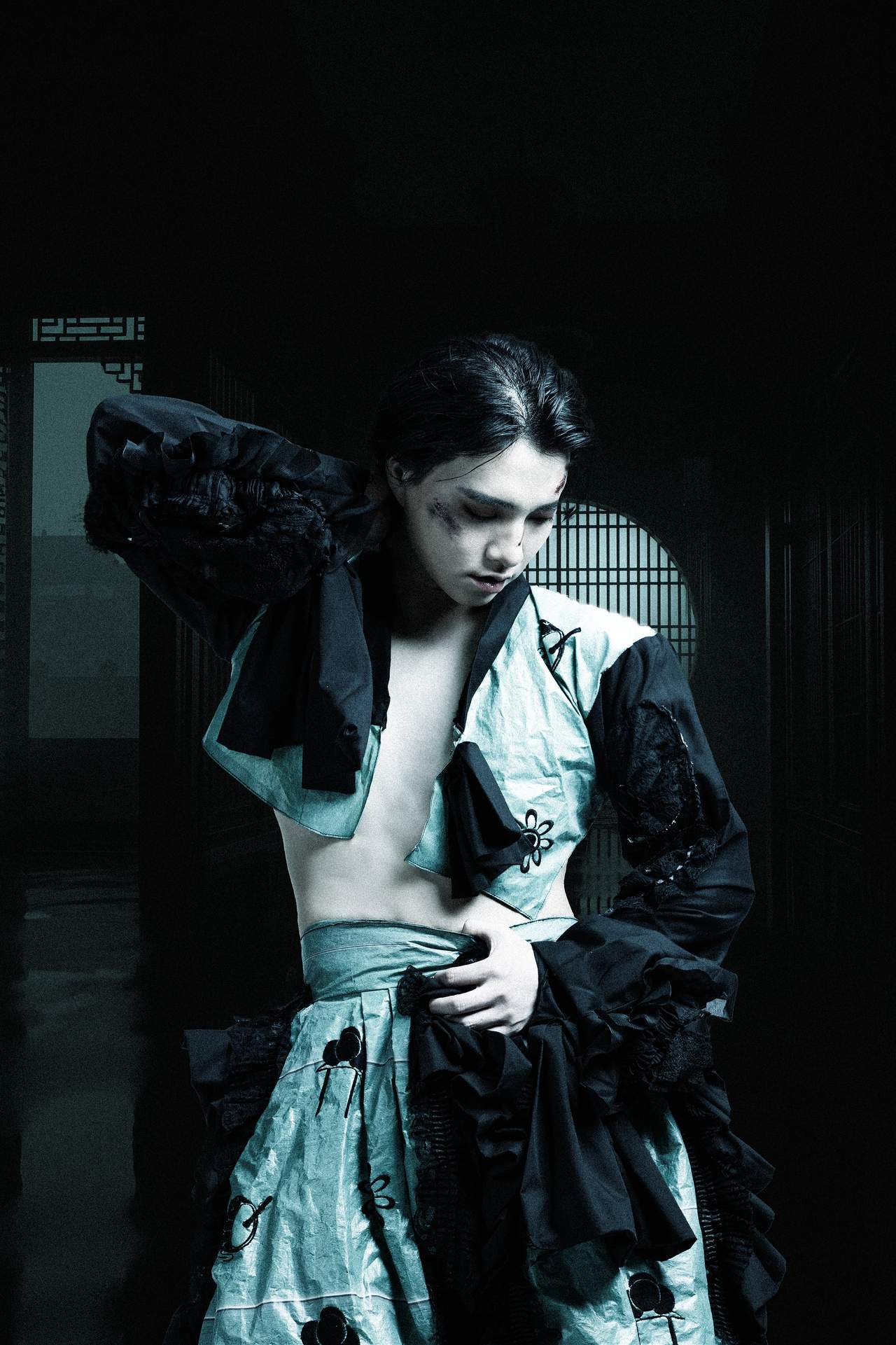
Artwork title
The Ones Who Beg to Stay (2025)
Artist name
Liana Lee
Artwork Description:
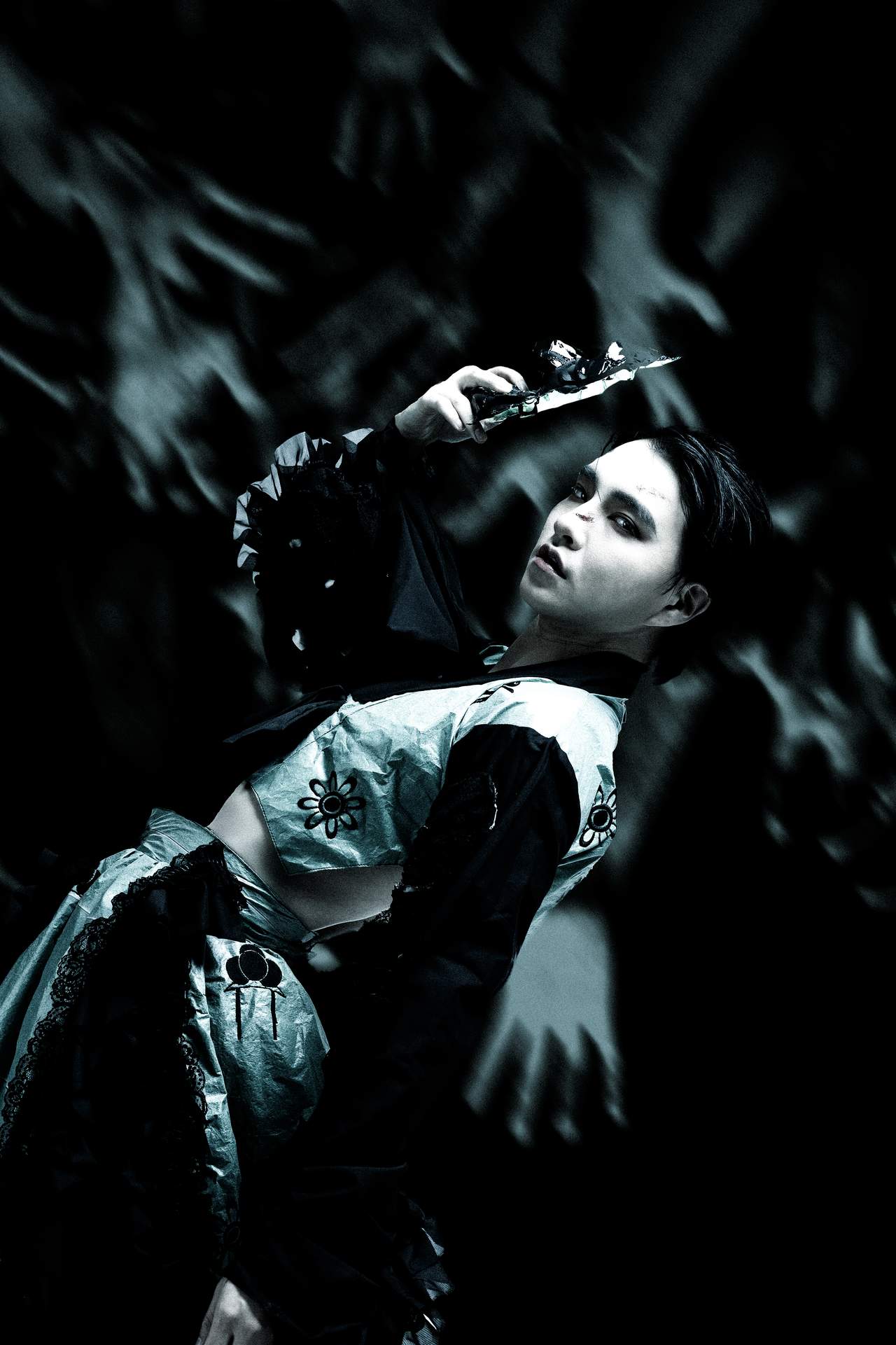
He raises the mask, not in disguise—but in duty. Cloaked in a ritual garment that blooms with sorrow, he walks the space between life and death. Behind him, a sea of grasping hands reaches out—not to harm, but to plead. They are the souls who are not ready. The ones who beg, “Not yet.” But the reaper does not bargain. His gaze cuts through the noise with quiet finality. In his presence, grief becomes a rite—beautiful, inevitable, and still.
Artwork title
Solar Outlaw 3 (2025)
Artist name
Liana Lee
Artwork Description:
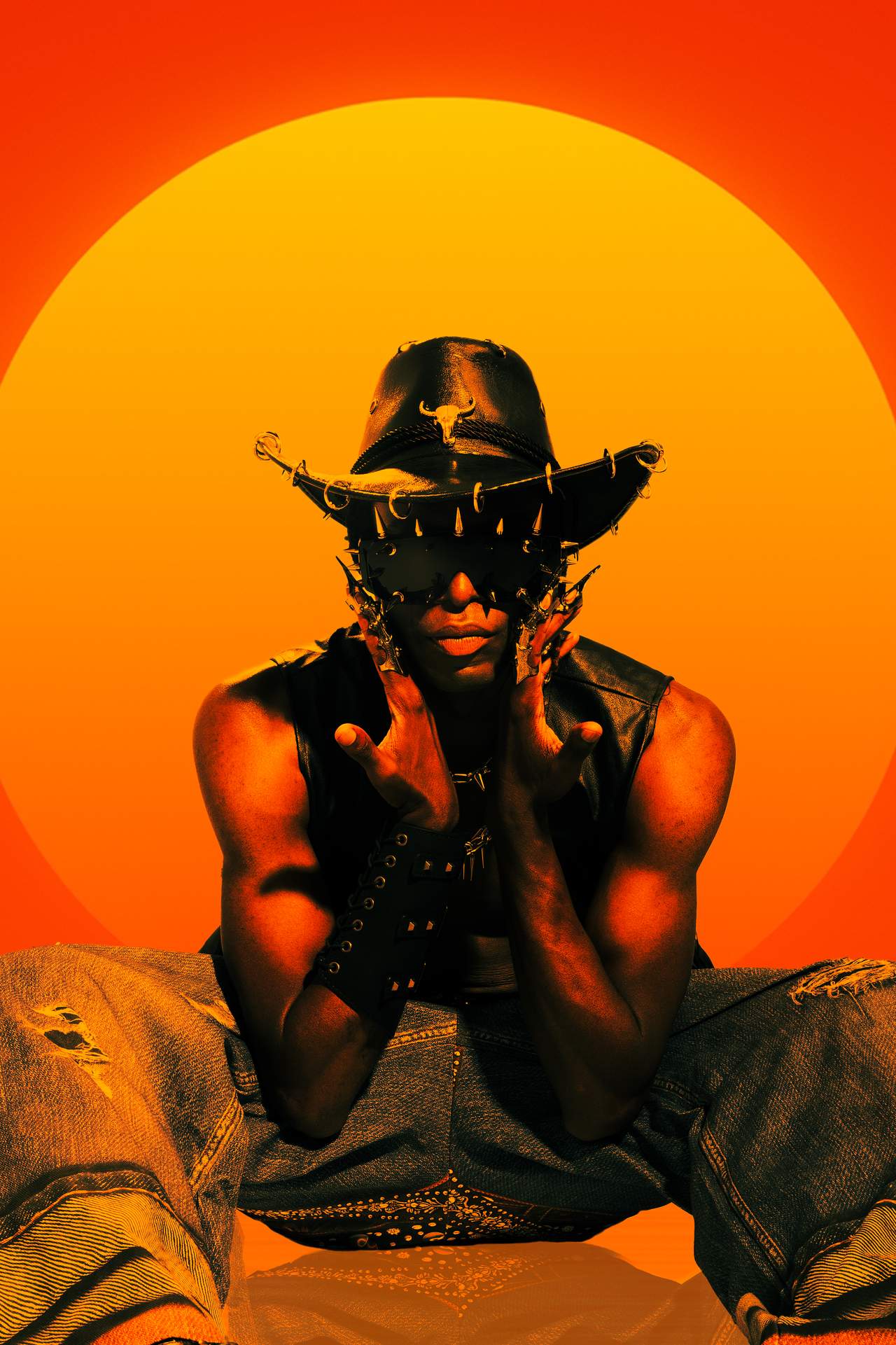
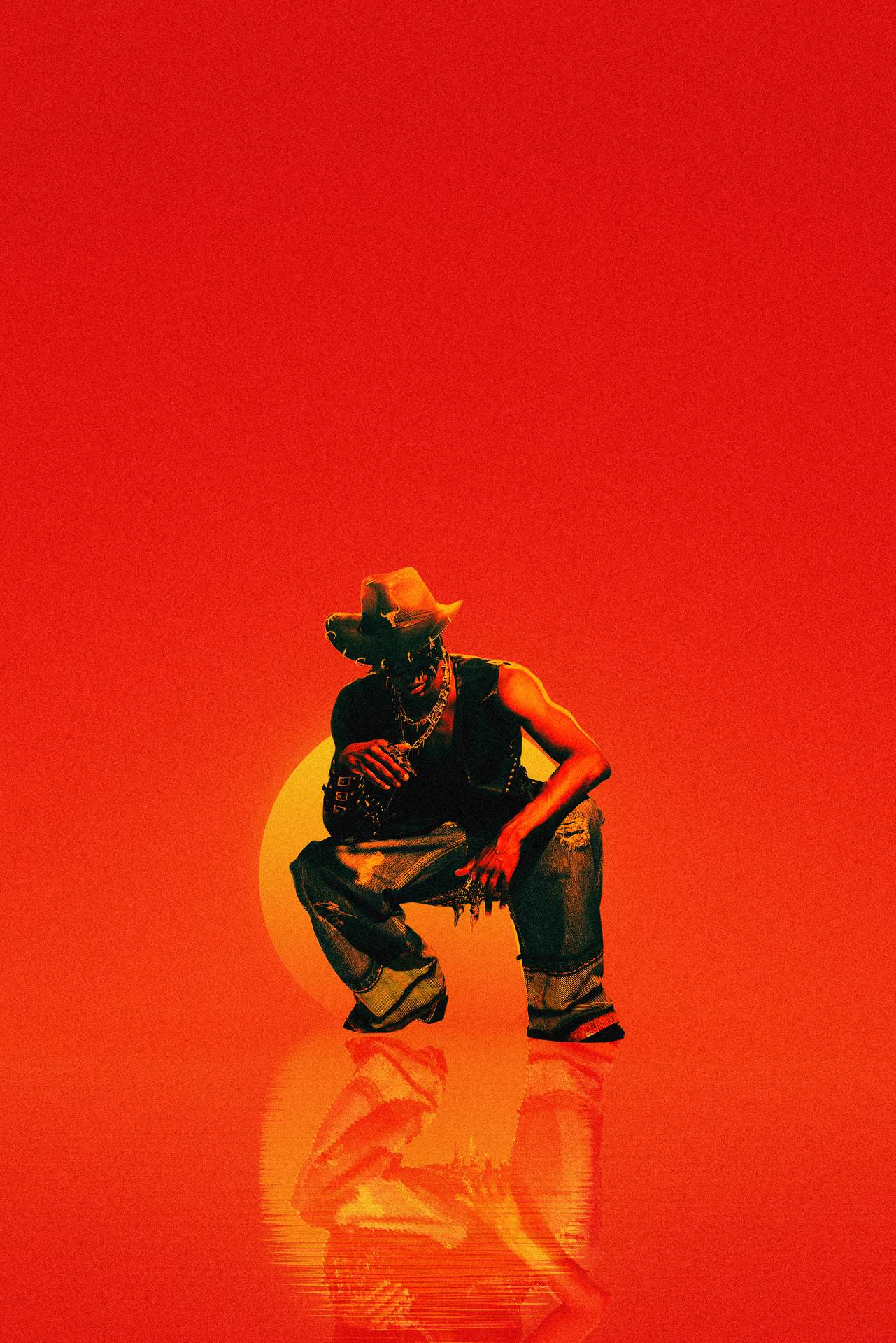
He sits low inside a forged sun, visor bristling with thorns, hands cupping his face like borrowed armor. Leather and denim drink the orange heat, slowing breath to a measured beat. The moment feels like a hush before the draw—a figure learning to wear the light like a mask.
Artwork title
Solar Outlaw 2 (2025)
Artist name
Liana Lee
Artwork Description:
He sits low inside a forged sun, visor bristling with thorns, hands cupping his face like borrowed armor. Leather and denim drink the orange heat, slowing breath to a measured beat. The moment feels like a hush before the draw—a figure learning to wear the light like a mask.
Artwork title
Solar Outlaw (2025)
Artist name
Liana Lee
Artwork Description:
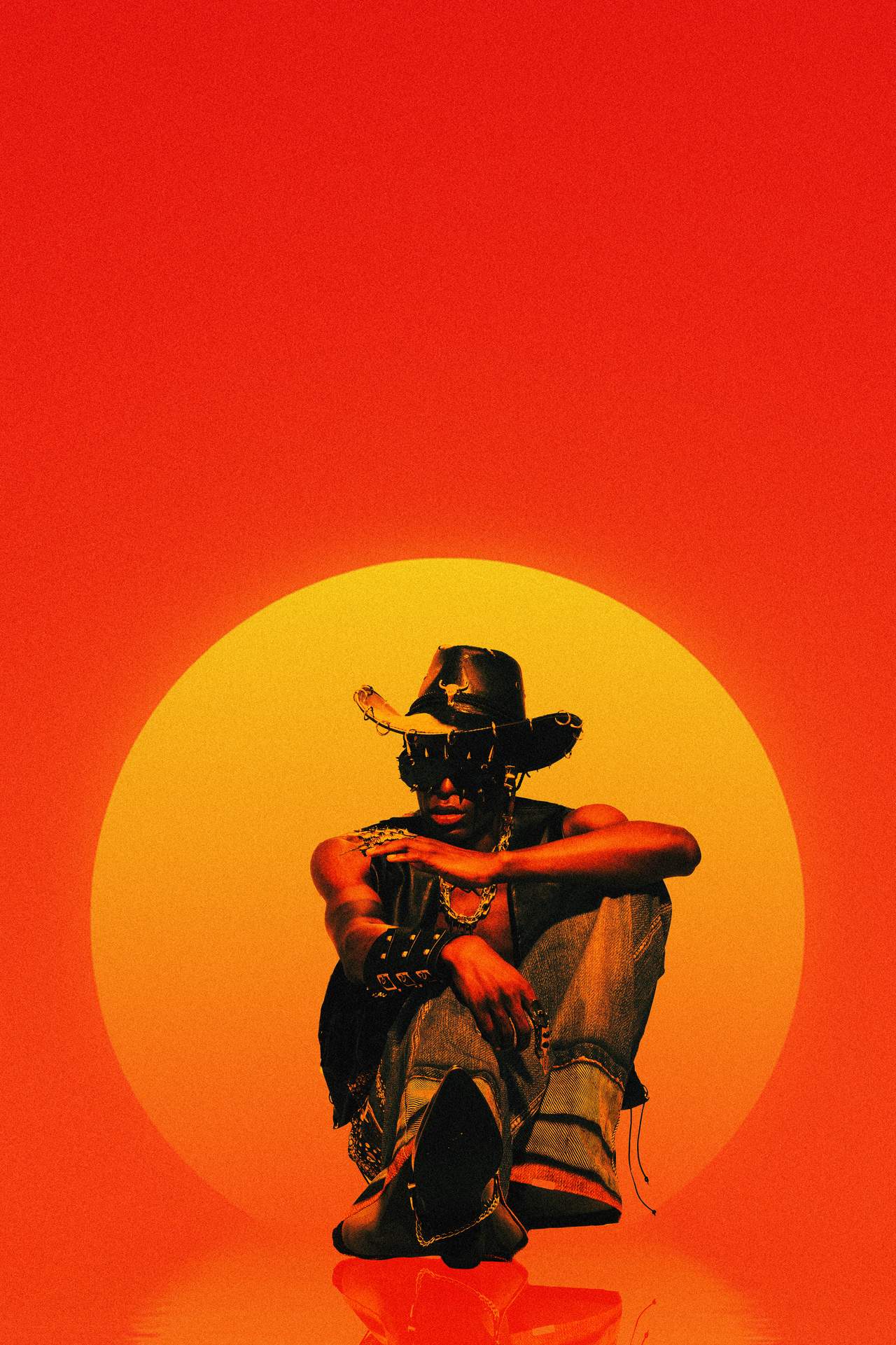
He sits low inside a forged sun, visor bristling with thorns, hands cupping his face like borrowed armor. Leather and denim drink the orange heat, slowing breath to a measured beat. The moment feels like a hush before the draw—a figure learning to wear the light like a mask.
Artwork title
The Extinguisher’s Gospel (2025)
Artist name
Liana Lee
Artwork Description:
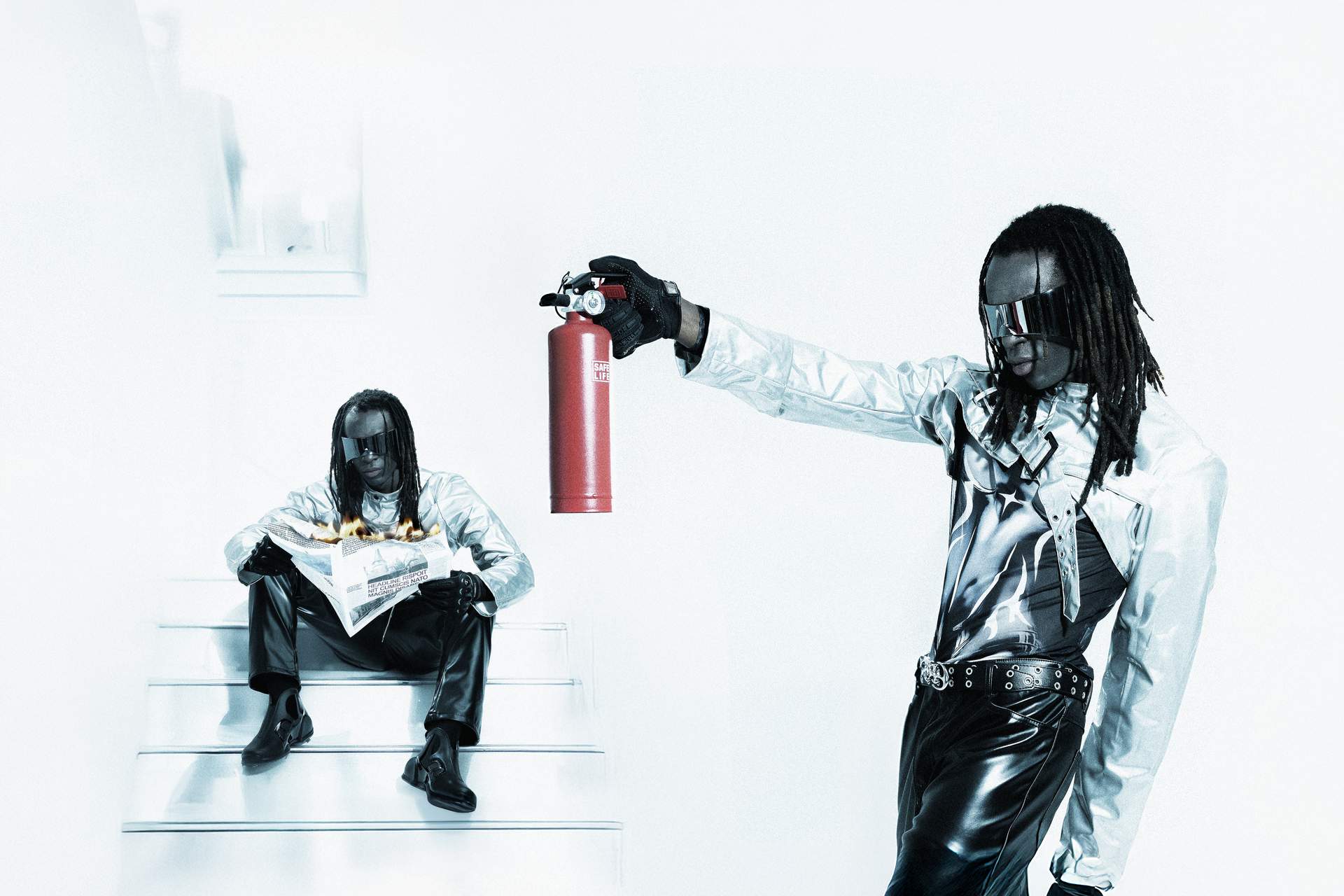
Icy studio, split self: one sits on white stairs reading a newspaper that’s on fire; the other stands in chrome and leather, visor down, holding a red extinguisher at arm’s length. Heat vs. control, rumor vs. fact. The room stays glacial while the headline burns, and he decides which version of himself the story gets.
Artwork title
Storm Outlaw — Lightning Rodeo (2025)
Artist name
Liana Lee
Artwork Description:
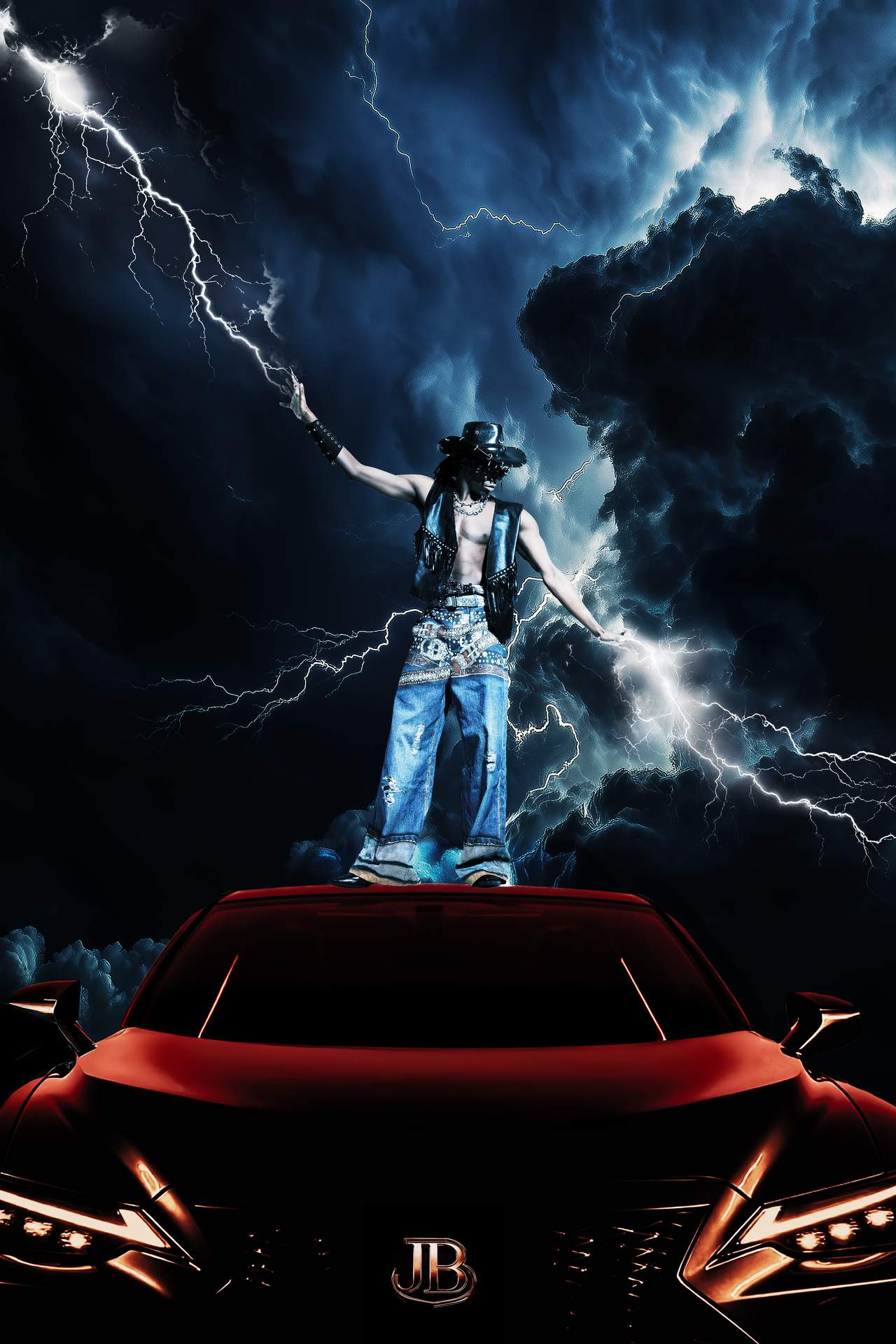
On the roof of a red beast he rides the weather like a dare, arms thrown to either horizon as white threads of lightning bite his hands; denim flags, leather gleams, the hat tilts at the storm while the badge on the grill burns like a monogrammed comet. Clouds convulse, the road becomes a black river, and he holds the charge with nothing but balance and stubborn breath—no saint, just a conductor refusing to blow. For a heartbeat the sky is his rope and the car his altar, and he stands there, steady, until the night blinks first.
Artwork title
Earth’s Judgment — Guiltfall (2025)
Artist name
Liana Lee
Artwork Description:
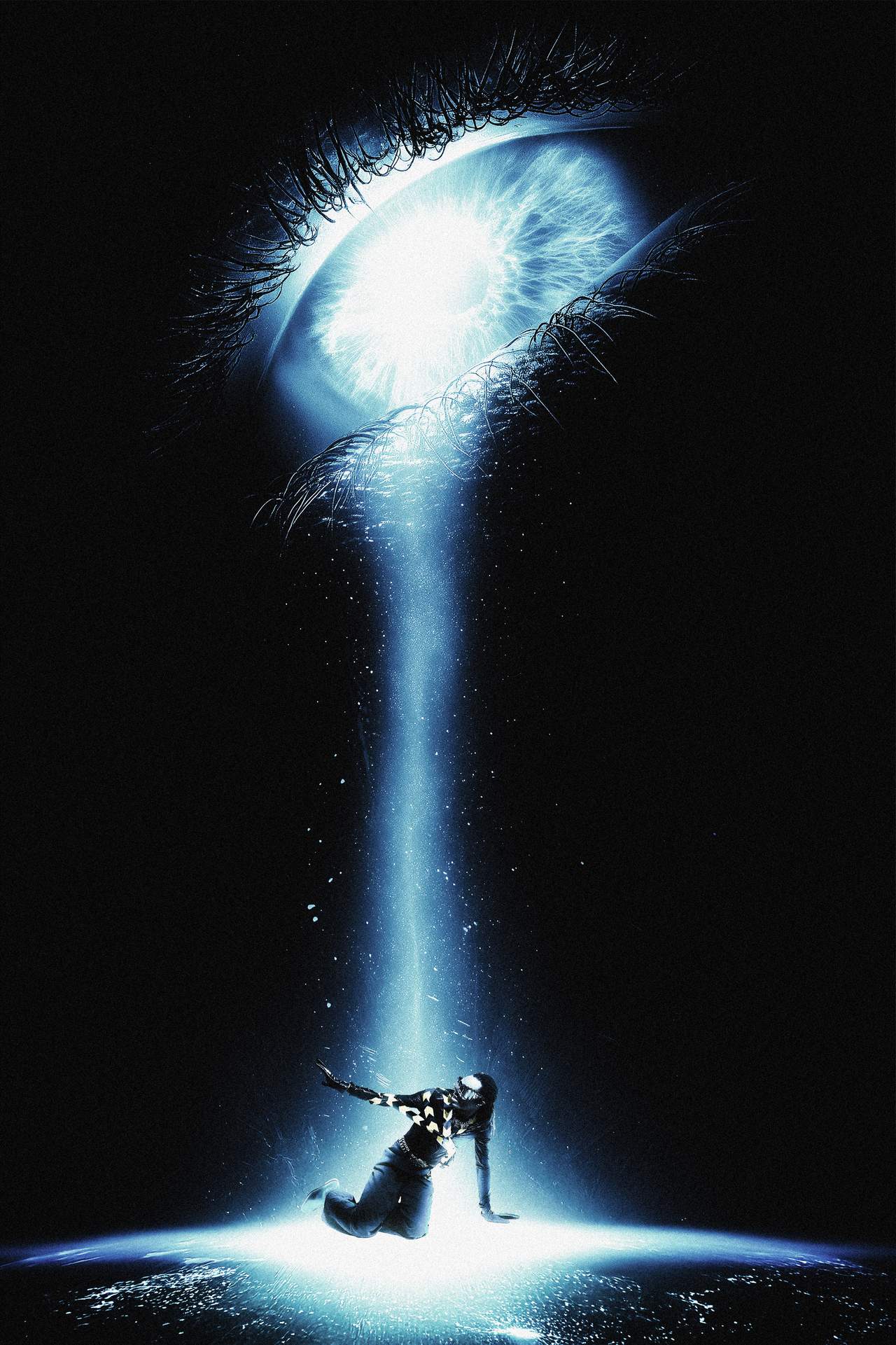
An eye opens above the void—the tribunal that has witnessed Earth’s sins—and its tear drops as a vertical river of light. Where it strikes the world’s rim, a lone figure collapses into its spray, pinned between stain and mercy. The beam is not water but guilt, a cold baptism that burns; each droplet remembers what we refused to. He reaches back as if to return the damage, but the tear keeps falling, steady as a verdict, and even his breath begins to sound like confession.
Artwork title
Televised Rain — Echo Weather (2025)
Artist name
Liana Lee
Artwork Description:
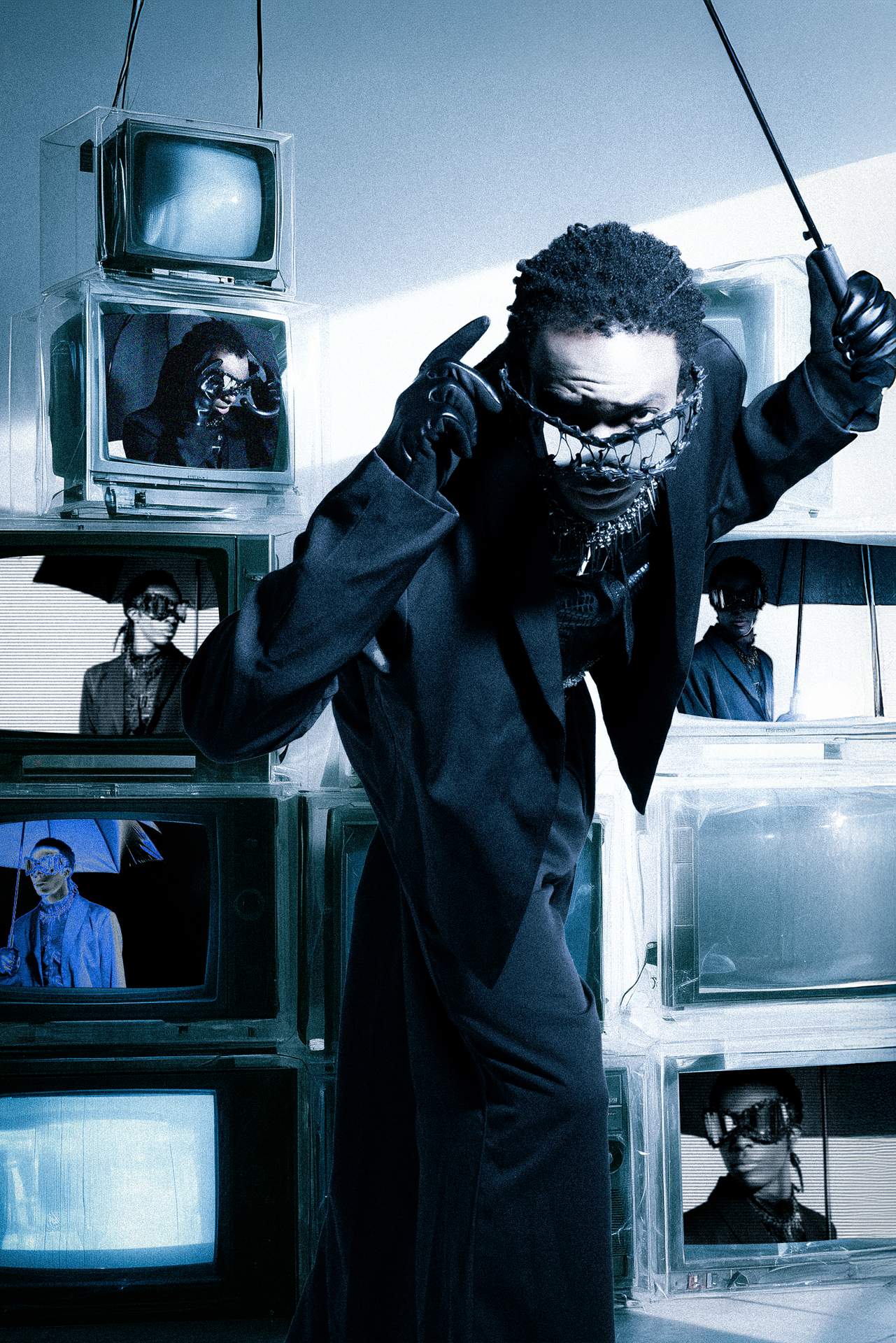
A tower of screens plays strangers under umbrellas, and he raises his own—not to the sky, but to the broadcast. It’s a parable of outsourced senses: when images agree, we mistake consensus for climate and prepare for storms that never touch our skin. The visor glints, the gesture is correct, and the ritual feels safer than looking out the window. Around him the loop multiplies—his copy copies a copy—until the forecast becomes the weather, and precaution hardens into belief.
Artwork title
Pupil Reader — Before the Verdict (2025)
Artist name
Liana Lee
Artwork Description:
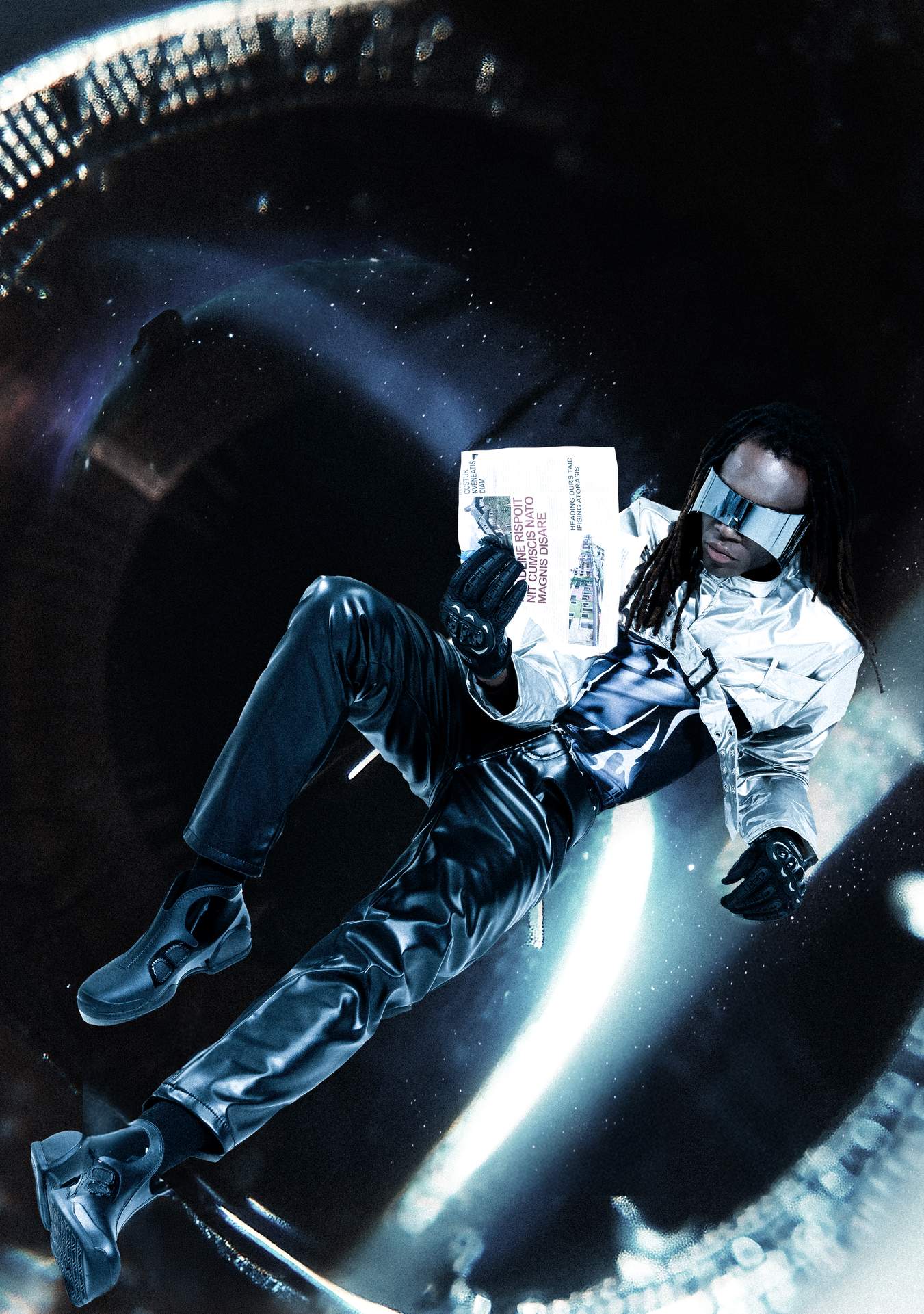
He lounges on the black of the eye itself, a quiet trespass before judgment, reading the paper as if headlines could outshine consequence. Silver jacket, mirrored visor—he treats the iris like a balcony, feet drifting over the ring of sight. The scene is the point: guilt so thin it floats, composure so casual it mocks the tribunal about to open. For now the universe is columns and kerning; conscience is only a reflection he refuses to meet.
Artwork title
Platform 999 — Comet Break (2025)
Artist name
Liana Lee
Artwork Description:
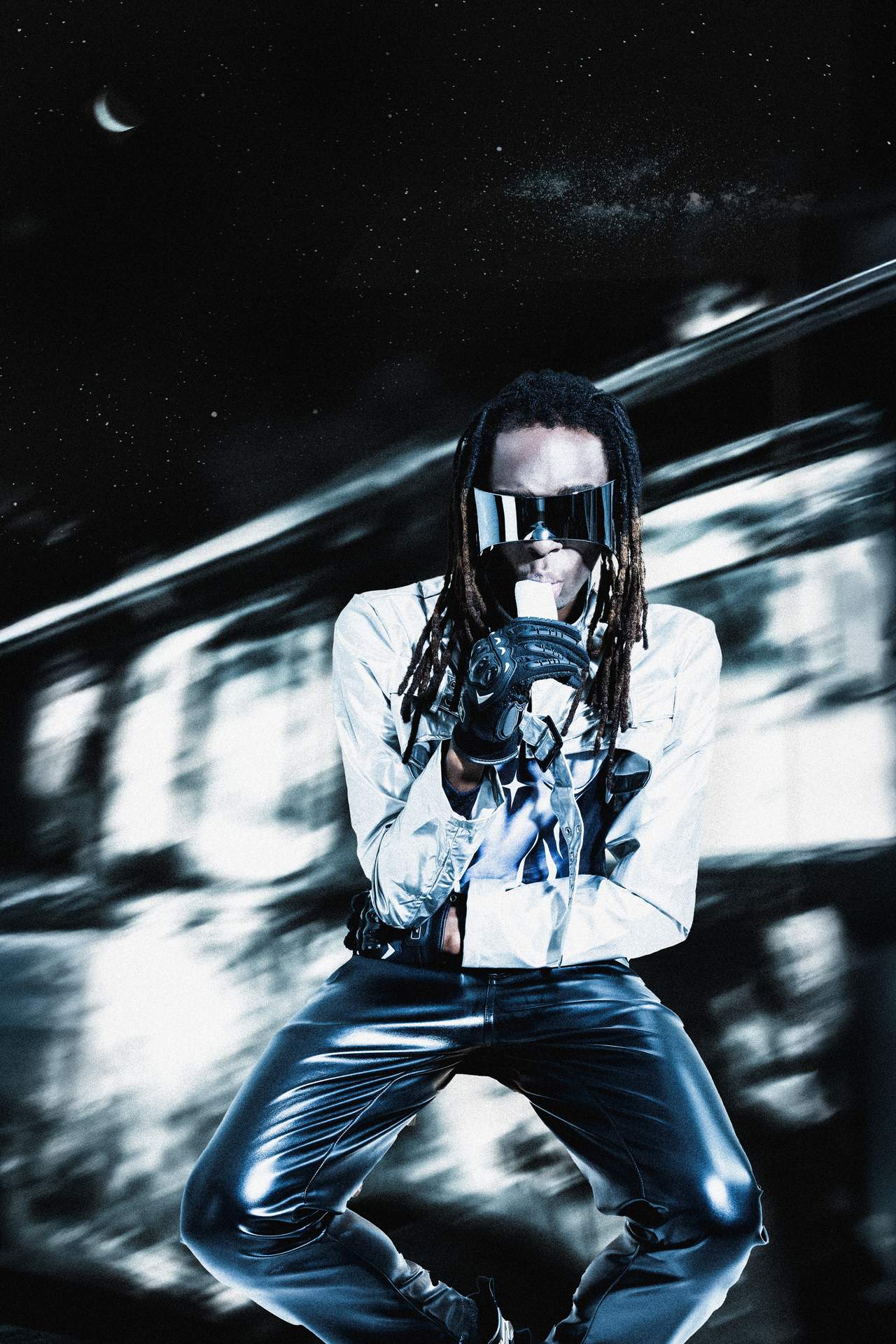
Before a comet-bright train tearing the night like a misrouted Galaxy Express, he keeps chewing a bar of winter, slow and unfussed. The blaze smears into lines, but the popsicle stays whole—his private climate, a small blue season held on the tongue. It looks like apathy and reads as choice: sweetness over chrome eternity, breath over smoke. Each bite is an unpunched ticket; the rails howl past, but his weather holds—fire back there, human time here.
Artwork title
Lullaby Reflector (2025)
Artist name
Liana Lee
Artwork Description:
Candy air lifts the eyes toward a sky that remembers every wish. Glitter seedlings flicker under the lashes; tiny pearls map the rumor of tears that never fall. In this pink weather, her face becomes a small planet—gravity softened, edges glazed—turning slowly between ache and awe.

Artwork title
Lullaby Reflector 2 (2025)
Artist name
Liana Lee
Artwork Description:
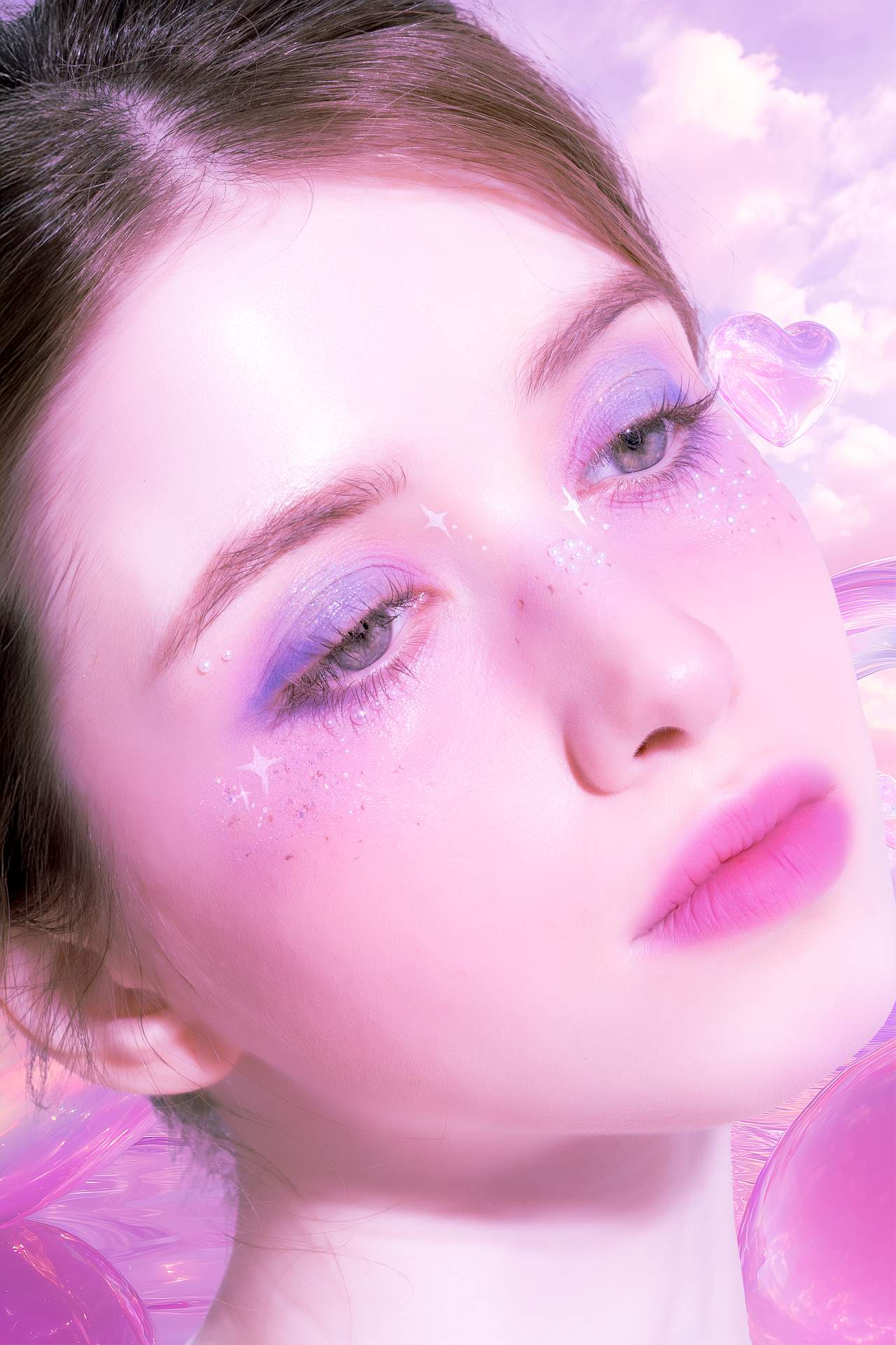
Close-up in pastel light: violet shadow, pearl constellations, and cheeks rinsed in sugar glass. Her upward gaze holds the pause before a wish is spoken, as if the air itself were listening. Everything gleams, nothing hurries.
Artwork title
Opaline Reverie (2025)
Artist name
Liana Lee
Artwork Description:
Pastel air, humming. Petals flicker like low tide, bubbles keep the sky on a necklace. She rests in the hinge of afternoon, glitter dusted where tears would begin, letting the garden hold its breath around her. Everything is glass but nothing cuts. It is the hour of nearly—light folding, color cooling—when a body becomes a lantern and silence learns to glow.

Artwork title
Violet Loop (2025)
Artist name
Liana Lee
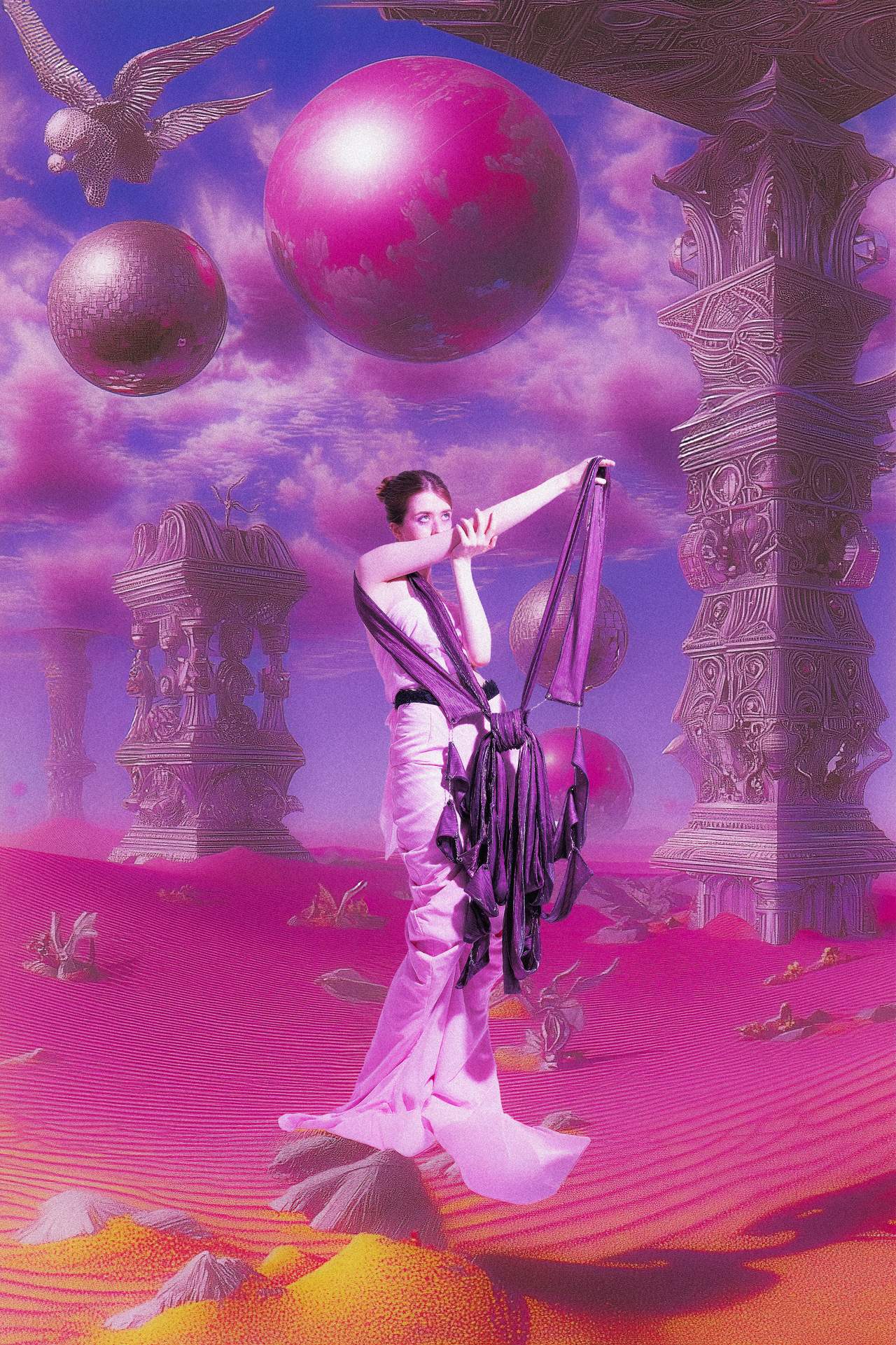
Artwork Description:
The desert is carpet dust, not sand; columns paste themselves to infinity and plum orbs hang like convex mirrors. A ribbon-butterfly winds her wrists and tugs, its wings rustling like receipt paper while the fluorescents drone. Each knot hard-cuts the scene—horizon re-taped, shadows reissued, air set back to factory magenta. There are no doors, only corridors that remember them. She pulls the last thread and the room reboots. Not escape—orbit.
Artwork title
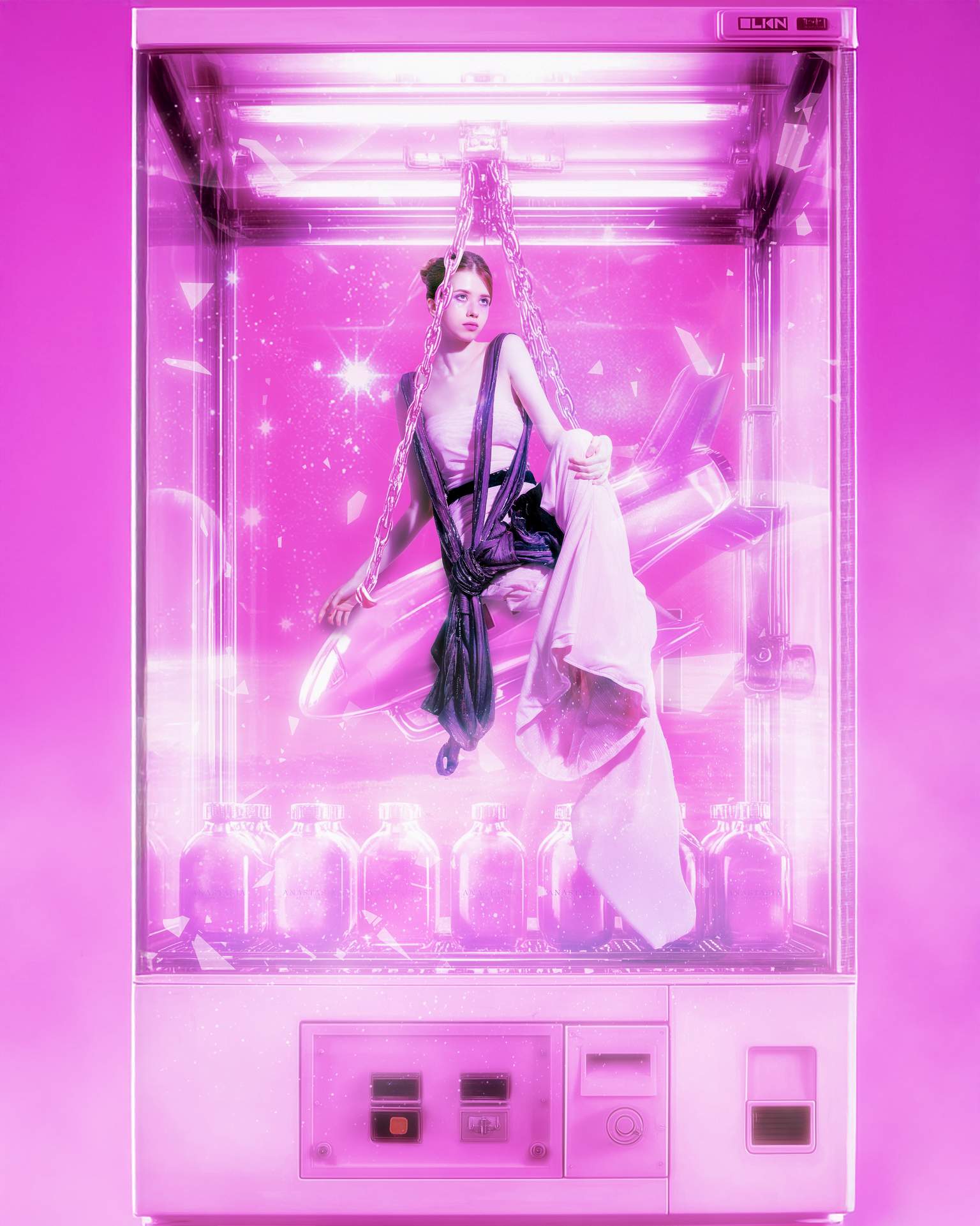
Pink Crane Reliquary (2025)
Artist name
Liana Lee
Artwork Description:
Candy-lit and humming, the claw machine makes a little cathedral of glass: chains loop from the claw like a silver rosary, a plastic rocket under her as if promise were ergonomic. Bottled wishes line the floor, neon frost blooms on the panes, and luck rattles in someone’s pocket just outside. She sits as patience personified—caught between quarters and providence—glitter drifting like chipped sugar while the world decides whether to lift her or let her keep shining in the pink aquarium of maybe.