New
Art
City
Virtual Art Space
Art
City

Catalog view is the alternative 2D representation of our 3D virtual art space. This page is friendly to assistive technologies and does not include decorative elements used in the 3D gallery.
Space Title
MORA: Cohera
Within the World Titled
Design Science Studio
Credited to
Design Science Studio
Opening date
May 11th, 2024
View 3D Gallery

Spaces in this world:
Links in this space:
Artworks in this space:
Artwork title
Dance of the Tao
Artist name
Richard Struppi Pohl
Artwork Description:
Explore @StruppiPohl
An exploration of the dynamic nature of spacetime as manifest in the Dance of the Tao, what Bucky called the jitterbug. A dozen spheres around none can transform through a whole family of leftangle (60°) structures: the leftangle itself (equilateral triangle)~the foureyes ("tetrahedron")~the leftangles second frequency (2²=4)~a trunk of a second frequency tetrops~the eighteyes ("octahedron") and then, with the help of half a dozen sticks, the twentyeyes ("icosahedron") and finally the mother of all spheres, the Vector Equilibrium ("cuboctahedron") as the turning point.
The models used are tensegrities as they all embody the tensional integrity of our omnitriangulated, interdependent Universe. To learn more about this, look for "synergetics in a nutshell" on youtube or find @StruppiPohl on instagram!
Artwork title
Establishing the Problem
Artist name
Carlotta Aoun
Artwork Description:
Explore Carlottas Visions
Symbiotic Experiment for Future Ways of Breathing is an experiential series that examines the relationship between breath and technology. This video-triptych explores breath through different forms : breath in isolation, breath in distance, breath as a social movement, breath as an oppressive force...

As computers and smartphones become ever more necessary to our society,  we unintentionally transform them into a necessity – or perhaps a physiological need. It is as if our own breath, trapped in a virtual dimension, expands into a confining, burdening mass. It is as if, instead of using our breath to speak, we retain it, and asphyxiate.
Artwork title
Establishing the Problem
Artist name
Carlotta Aoun
Artwork Description:
Explore Carlottas Visions
Symbiotic Experiment for Future Ways of Breathing is an experiential series that examines the relationship between breath and technology. This video-triptych explores breath through different forms : breath in isolation, breath in distance, breath as a social movement, breath as an oppressive force...

As computers and smartphones become ever more necessary to our society,  we unintentionally transform them into a necessity – or perhaps a physiological need. It is as if our own breath, trapped in a virtual dimension, expands into a confining, burdening mass. It is as if, instead of using our breath to speak, we retain it, and asphyxiate.
Artwork title
Establishing the Problem
Artist name
Carlotta Aoun
Artwork Description:
Explore Carlottas Visions
Symbiotic Experiment for Future Ways of Breathing is an experiential series that examines the relationship between breath and technology. This video-triptych explores breath through different forms : breath in isolation, breath in distance, breath as a social movement, breath as an oppressive force...

As computers and smartphones become ever more necessary to our society,  we unintentionally transform them into a necessity – or perhaps a physiological need. It is as if our own breath, trapped in a virtual dimension, expands into a confining, burdening mass. It is as if, instead of using our breath to speak, we retain it, and asphyxiate.
Artwork title
Establishing the Problem
Artist name
Carlotta Aoun
Artwork Description:
Explore Carlottas Visions
Symbiotic Experiment for Future Ways of Breathing is an experiential series that examines the relationship between breath and technology. This video-triptych explores breath through different forms : breath in isolation, breath in distance, breath as a social movement, breath as an oppressive force...

As computers and smartphones become ever more necessary to our society,  we unintentionally transform them into a necessity – or perhaps a physiological need. It is as if our own breath, trapped in a virtual dimension, expands into a confining, burdening mass. It is as if, instead of using our breath to speak, we retain it, and asphyxiate.
Artwork title
Symbiotic Experiment for Future Ways of Breathing : Establishing the Problem
Artist name
Carlotta Aoun
Artwork Description:
Explore Carlottas Visions
Symbiotic Experiment for Future Ways of Breathing is an experiential series that examines the relationship between breath and technology. This video-triptych explores breath through different forms : breath in isolation, breath in distance, breath as a social movement, breath as an oppressive force...

As computers and smartphones become ever more necessary to our society,  we unintentionally transform them into a necessity – or perhaps a physiological need. It is as if our own breath, trapped in a virtual dimension, expands into a confining, burdening mass. It is as if, instead of using our breath to speak, we retain it, and asphyxiate.
Artwork title
Establishing the Problem
Artist name
Carlotta Aoun
Artwork Description:
Explore Carlottas Visions
Symbiotic Experiment for Future Ways of Breathing is an experiential series that examines the relationship between breath and technology. This video-triptych explores breath through different forms : breath in isolation, breath in distance, breath as a social movement, breath as an oppressive force...

As computers and smartphones become ever more necessary to our society,  we unintentionally transform them into a necessity – or perhaps a physiological need. It is as if our own breath, trapped in a virtual dimension, expands into a confining, burdening mass. It is as if, instead of using our breath to speak, we retain it, and asphyxiate.
Artwork title
Establishing the Problem
Artist name
Carlotta Aoun
Artwork Description:
Explore Carlottas Visions
Symbiotic Experiment for Future Ways of Breathing is an experiential series that examines the relationship between breath and technology. This video-triptych explores breath through different forms : breath in isolation, breath in distance, breath as a social movement, breath as an oppressive force...

As computers and smartphones become ever more necessary to our society,  we unintentionally transform them into a necessity – or perhaps a physiological need. It is as if our own breath, trapped in a virtual dimension, expands into a confining, burdening mass. It is as if, instead of using our breath to speak, we retain it, and asphyxiate.
Artwork title
Establishing the Problem
Artist name
Carlotta Aoun
Artwork Description:
Explore Carlottas Visions
Symbiotic Experiment for Future Ways of Breathing is an experiential series that examines the relationship between breath and technology. This video-triptych explores breath through different forms : breath in isolation, breath in distance, breath as a social movement, breath as an oppressive force...

As computers and smartphones become ever more necessary to our society,  we unintentionally transform them into a necessity – or perhaps a physiological need. It is as if our own breath, trapped in a virtual dimension, expands into a confining, burdening mass. It is as if, instead of using our breath to speak, we retain it, and asphyxiate.
Artwork title
The Eleprocon Epiphany
Artist name
Mark Smith
Artwork Description:
#Eleprocy
I’m Mark. This is my story, our mythOS.

The act of evolving and extruding an idea thrills me. Storytelling, science, technology, and the arts fascinate me. Creativity moves me. Nature soothes me. Collaboration is key and empathy makes us more than human.

That’s why I’m here…
Artwork title
The Eleprocon Epiphany
Artist name
Mark Smith
Artwork Description:
#Backcastingly
I’m Mark. This is my story, our mythOS.

The act of evolving and extruding an idea thrills me. Storytelling, science, technology, and the arts fascinate me. Creativity moves me. Nature soothes me. Collaboration is key and empathy makes us more than human.

That’s why I’m here…
Artwork title
The Eleprocon Epiphany
Artist name
Mark Smith
Artwork Description:
#Regenaissance
I’m Mark. This is my story, our mythOS.

The act of evolving and extruding an idea thrills me. Storytelling, science, technology, and the arts fascinate me. Creativity moves me. Nature soothes me. Collaboration is key and empathy makes us more than human.

That’s why I’m here…
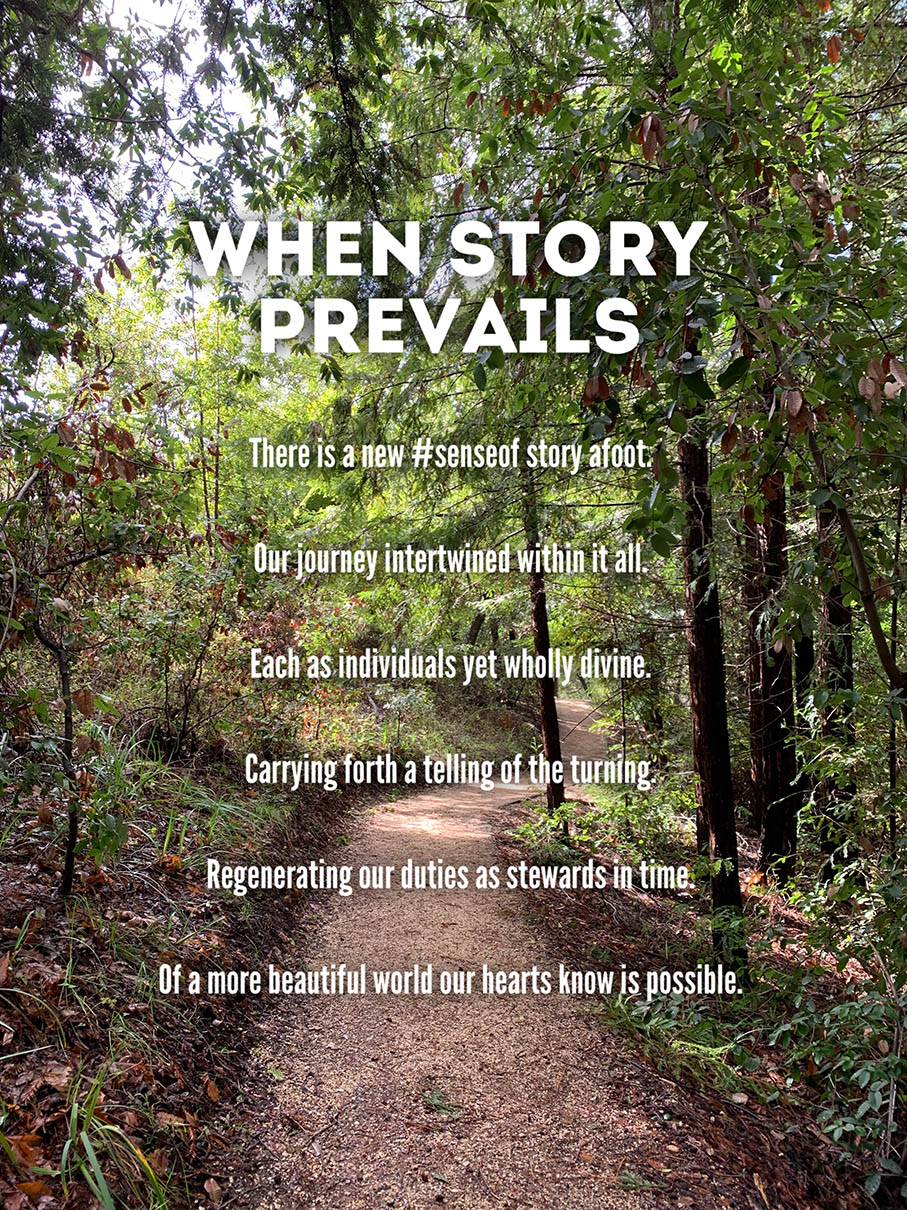
Artwork title
The Eleprocon Epiphany
Artist name
Mark Smith
Artwork Description:
#Noosphere
I’m Mark. This is my story, our mythOS.

The act of evolving and extruding an idea thrills me. Storytelling, science, technology, and the arts fascinate me. Creativity moves me. Nature soothes me. Collaboration is key and empathy makes us more than human.

That’s why I’m here…
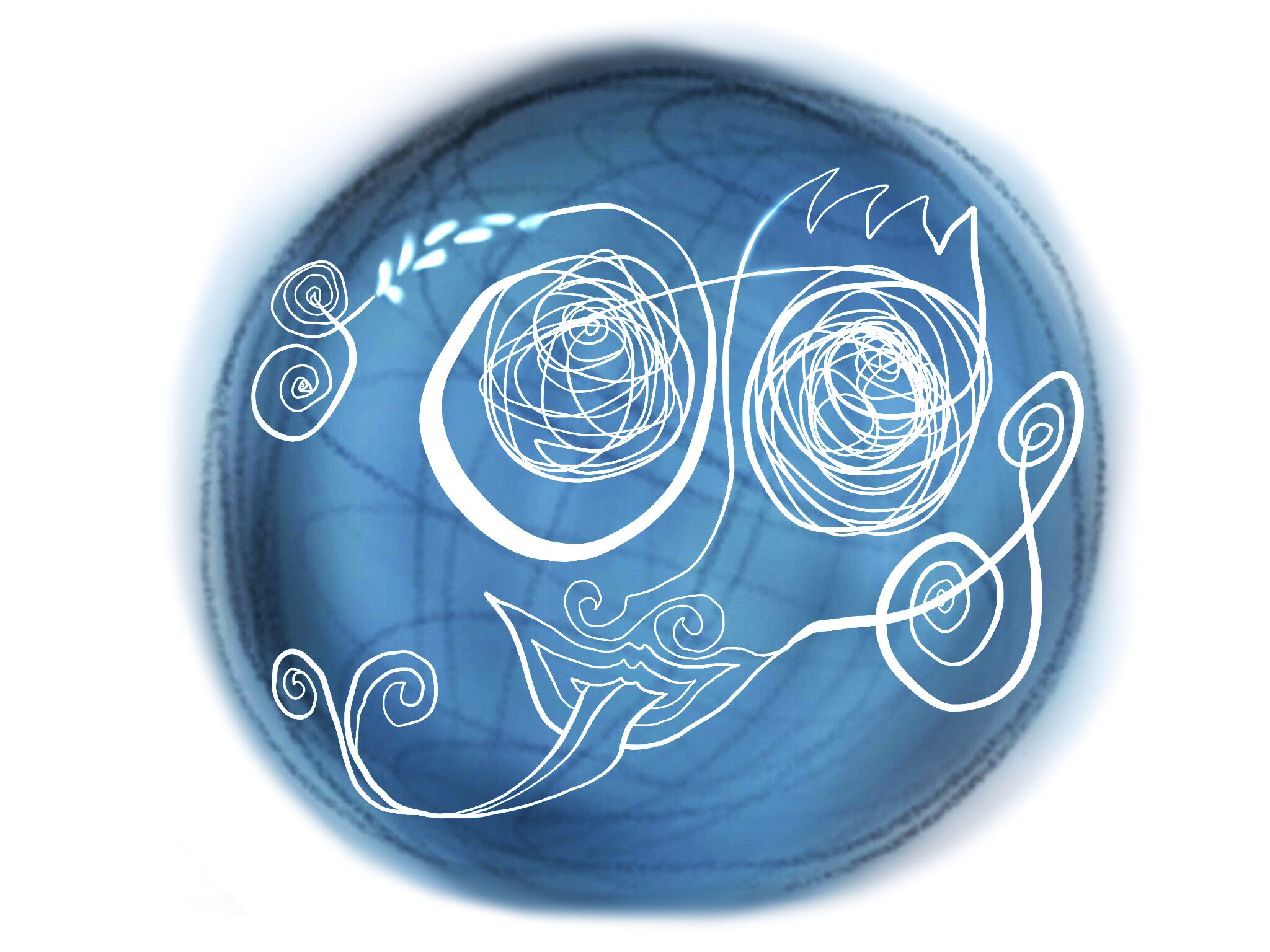
Artwork title
Sticky Structures
Artist name
Peter Lokken
Artwork Description:
Parametric design is a method for discovering new ways and forms of building.
Artwork title
Sticky Structures
Artist name
Peter Lokken
Artwork Description:
Parametric design is a method for discovering new ways and forms of building. Here using physics plugins, one can inflate flat objects to give them volume.
Artwork title
The Eleprocon Epiphany
Artist name
Mark Smith
Artwork Description:
#2birds
I’m Mark. This is my story, our mythOS.

The act of evolving and extruding an idea thrills me. Storytelling, science, technology, and the arts fascinate me. Creativity moves me. Nature soothes me. Collaboration is key and empathy makes us more than human.

That’s why I’m here…
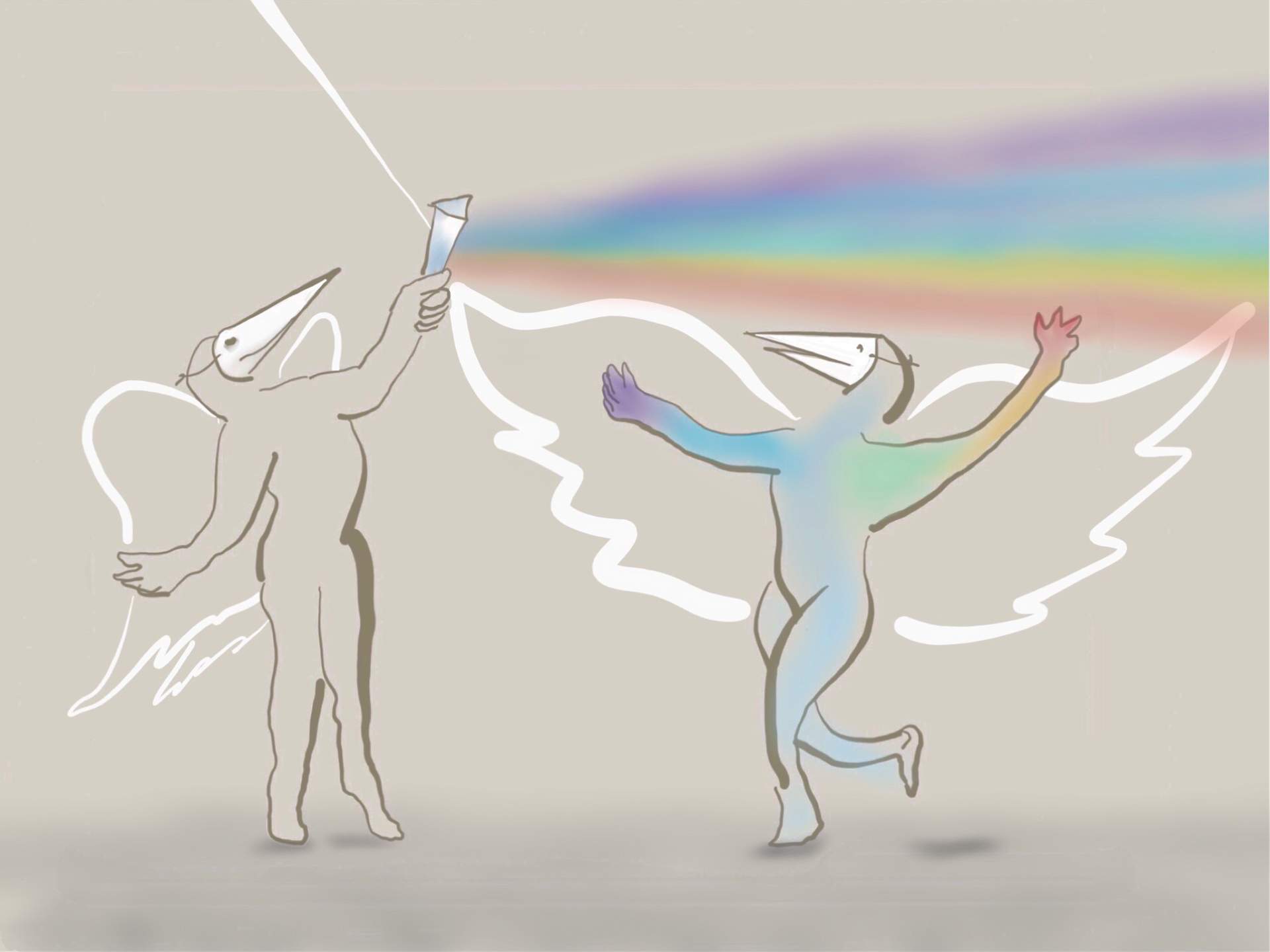
Artwork title
The Eleprocon Epiphany
Artist name
Mark Smith
Artwork Description:
#Footprints
I’m Mark. This is my story, our mythOS.

The act of evolving and extruding an idea thrills me. Storytelling, science, technology, and the arts fascinate me. Creativity moves me. Nature soothes me. Collaboration is key and empathy makes us more than human.

That’s why I’m here…
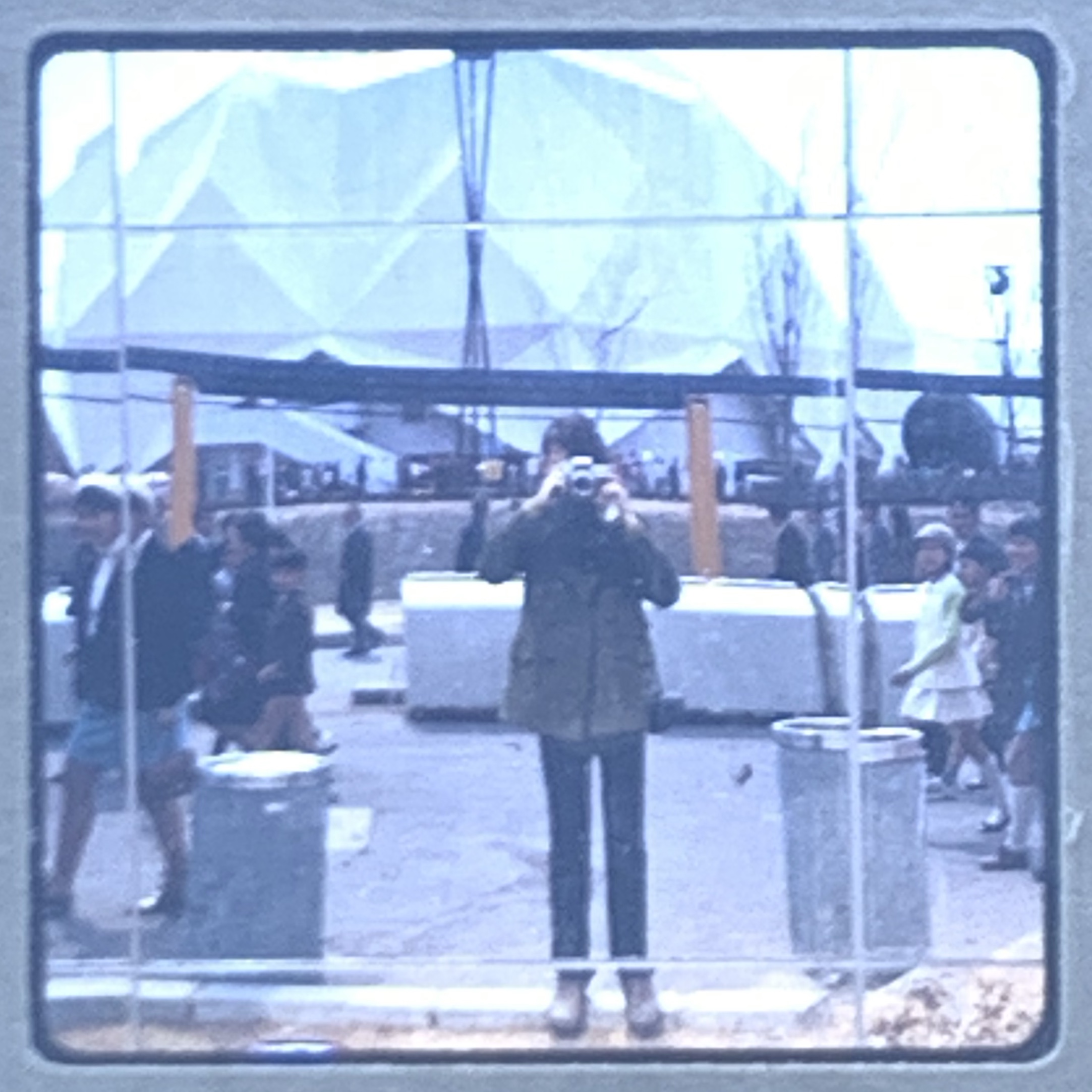
Artwork title
The Eleprocon Epiphany
Artist name
Mark Smith
Artwork Description:
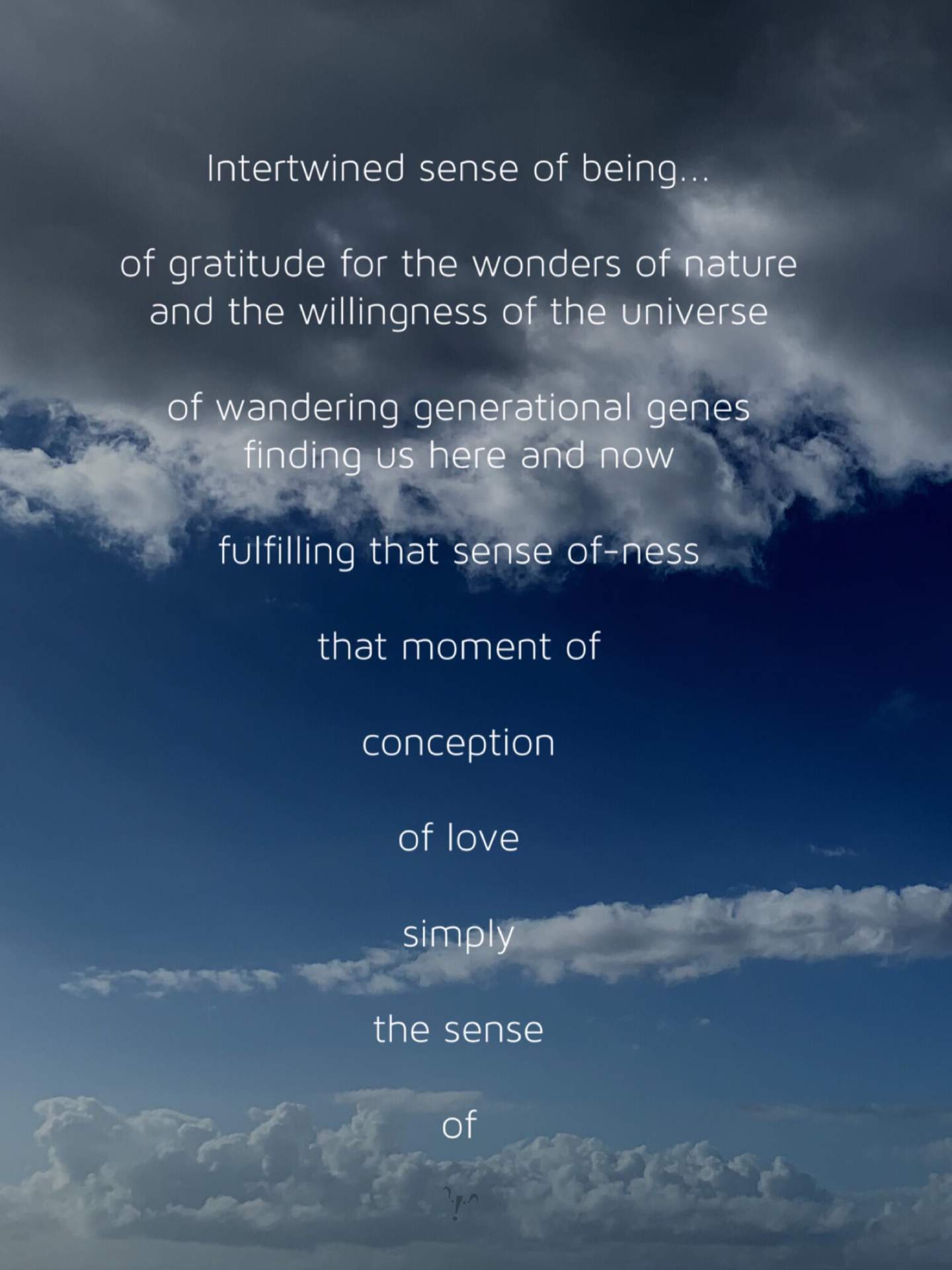
#Senseof
I’m Mark. This is my story, our mythOS.

The act of evolving and extruding an idea thrills me. Storytelling, science, technology, and the arts fascinate me. Creativity moves me. Nature soothes me. Collaboration is key and empathy makes us more than human.

That’s why I’m here…
Artwork title
The Eleprocon Epiphany
Artist name
Mark Smith
Artwork Description:
#Storyseeds
I’m Mark. This is my story, our mythOS.

The act of evolving and extruding an idea thrills me. Storytelling, science, technology, and the arts fascinate me. Creativity moves me. Nature soothes me. Collaboration is key and empathy makes us more than human.

That’s why I’m here…
Artwork title
The Eleprocon Epiphany
Artist name
Mark Smith
Artwork Description:
#Sciencemythic
I’m Mark. This is my story, our mythOS.

The act of evolving and extruding an idea thrills me. Storytelling, science, technology, and the arts fascinate me. Creativity moves me. Nature soothes me. Collaboration is key and empathy makes us more than human.

That’s why I’m here…
Artwork title
The Eleprocon Epiphany
Artist name
Mark Smith
Artwork Description:
#H4holon
I’m Mark. This is my story, our mythOS.

The act of evolving and extruding an idea thrills me. Storytelling, science, technology, and the arts fascinate me. Creativity moves me. Nature soothes me. Collaboration is key and empathy makes us more than human.

That’s why I’m here…
Artwork title
The Eleprocon Epiphany
Artist name
Mark Smith
Artwork Description:
#Noosphere
I’m Mark. This is my story, our mythOS.

The act of evolving and extruding an idea thrills me. Storytelling, science, technology, and the arts fascinate me. Creativity moves me. Nature soothes me. Collaboration is key and empathy makes us more than human.

That’s why I’m here…
Artwork title
The Eleprocon Epiphany
Artist name
Mark Smith
Artwork Description:
#Noosphere
I’m Mark. This is my story, our mythOS.

The act of evolving and extruding an idea thrills me. Storytelling, science, technology, and the arts fascinate me. Creativity moves me. Nature soothes me. Collaboration is key and empathy makes us more than human.

That’s why I’m here…
Artwork title
Pieces of My Soul
Artist name
Melissa Lockwood
Artwork Description:
IQTEST
Project: One step closer to zero waste.

Melissa Lockwood Has developed a technique that transforms waste fabric areas into design areas. Her project is to help designers see that waste fabrics are a creative space they can use.  When waste fabrics are used they stay out of the landfills.

For 10+ years Melissa has been making garments with fashion industry waste fabrics.  She started this project after seeing dumpsters of fabric going to the landfills.

Melissa has discovered a technique that incorporates waste fabric areas into the design area.  She noticed that factory waste fabrics are multiple same shape pieces. She found that many of the shapes were easily made into garments when same shape pieces are sewn together.

The factory waste fabrics are found as same shape multiple pieces in stacks.  Waste pieces are created during mass production of garments, along side same shape intended garment pieces.  Her query is that the same shape waste pieces are actually garment pieces too.

Her observation and use of waste fabric allowed her to discover ways designers can look at these fabric areas differently.  The main concern is that massive quantities of waste fabric is sent to the landfills, especially during mass production.

Her projects technique is regenerative step and addition to the fashion industries need to go zero waste.  When adopted by mass producing designers it will reduce pollution significantly.  Her technique utilizes the waste pattern area creating garments with it during the overall design process.

For more detailed information about the technique look at her website.
Http://www.iqtest-nyc.com
Artwork title
Salvaged Fabric
Artist name
Melissa Lockwood
Artwork Description:
IQTEST
Project: One step closer to zero waste.

Melissa Lockwood Has developed a technique that transforms waste fabric areas into design areas. Her project is to help designers see that waste fabrics are a creative space they can use.  When waste fabrics are used they stay out of the landfills.

For 10+ years Melissa has been making garments with fashion industry waste fabrics.  She started this project after seeing dumpsters of fabric going to the landfills.

Melissa has discovered a technique that incorporates waste fabric areas into the design area.  She noticed that factory waste fabrics are multiple same shape pieces. She found that many of the shapes were easily made into garments when same shape pieces are sewn together.

The factory waste fabrics are found as same shape multiple pieces in stacks.  Waste pieces are created during mass production of garments, along side same shape intended garment pieces.  Her query is that the same shape waste pieces are actually garment pieces too.

Her observation and use of waste fabric allowed her to discover ways designers can look at these fabric areas differently.  The main concern is that massive quantities of waste fabric is sent to the landfills, especially during mass production.

Her projects technique is regenerative step and addition to the fashion industries need to go zero waste.  When adopted by mass producing designers it will reduce pollution significantly.  Her technique utilizes the waste pattern area creating garments with it during the overall design process.

For more detailed information about the technique look at her website.
Http://www.iqtest-nyc.com
Artwork title
Using Waste Fabrics
Artist name
Melissa Lockwood
Artwork Description:
IQTEST
Project: One step closer to zero waste.

Melissa Lockwood Has developed a technique that transforms waste fabric areas into design areas. Her project is to help designers see that waste fabrics are a creative space they can use.  When waste fabrics are used they stay out of the landfills.

For 10+ years Melissa has been making garments with fashion industry waste fabrics.  She started this project after seeing dumpsters of fabric going to the landfills.

Melissa has discovered a technique that incorporates waste fabric areas into the design area.  She noticed that factory waste fabrics are multiple same shape pieces. She found that many of the shapes were easily made into garments when same shape pieces are sewn together.

The factory waste fabrics are found as same shape multiple pieces in stacks.  Waste pieces are created during mass production of garments, along side same shape intended garment pieces.  Her query is that the same shape waste pieces are actually garment pieces too.

Her observation and use of waste fabric allowed her to discover ways designers can look at these fabric areas differently.  The main concern is that massive quantities of waste fabric is sent to the landfills, especially during mass production.

Her projects technique is regenerative step and addition to the fashion industries need to go zero waste.  When adopted by mass producing designers it will reduce pollution significantly.  Her technique utilizes the waste pattern area creating garments with it during the overall design process.

For more detailed information about the technique look at her website.
Http://www.iqtest-nyc.com
Artwork title
Conical Helix
Artist name
Melissa Lockwood
Artwork Description:
IQTEST
Project: One step closer to zero waste.

Melissa Lockwood Has developed a technique that transforms waste fabric areas into design areas. Her project is to help designers see that waste fabrics are a creative space they can use.  When waste fabrics are used they stay out of the landfills.

For 10+ years Melissa has been making garments with fashion industry waste fabrics.  She started this project after seeing dumpsters of fabric going to the landfills.

Melissa has discovered a technique that incorporates waste fabric areas into the design area.  She noticed that factory waste fabrics are multiple same shape pieces. She found that many of the shapes were easily made into garments when same shape pieces are sewn together.

The factory waste fabrics are found as same shape multiple pieces in stacks.  Waste pieces are created during mass production of garments, along side same shape intended garment pieces.  Her query is that the same shape waste pieces are actually garment pieces too.

Her observation and use of waste fabric allowed her to discover ways designers can look at these fabric areas differently.  The main concern is that massive quantities of waste fabric is sent to the landfills, especially during mass production.

Her projects technique is regenerative step and addition to the fashion industries need to go zero waste.  When adopted by mass producing designers it will reduce pollution significantly.  Her technique utilizes the waste pattern area creating garments with it during the overall design process.

For more detailed information about the technique look at her website.
Http://www.iqtest-nyc.com

Artwork title
Designing with the waste fabric area
Artist name
Melissa Lockwood
Artwork Description:
IQTEST
Project: One step closer to zero waste.

Melissa Lockwood Has developed a technique that transforms waste fabric areas into design areas. Her project is to help designers see that waste fabrics are a creative space they can use.  When waste fabrics are used they stay out of the landfills.

For 10+ years Melissa has been making garments with fashion industry waste fabrics.  She started this project after seeing dumpsters of fabric going to the landfills.

Melissa has discovered a technique that incorporates waste fabric areas into the design area.  She noticed that factory waste fabrics are multiple same shape pieces. She found that many of the shapes were easily made into garments when same shape pieces are sewn together.

The factory waste fabrics are found as same shape multiple pieces in stacks.  Waste pieces are created during mass production of garments, along side same shape intended garment pieces.  Her query is that the same shape waste pieces are actually garment pieces too.

Her observation and use of waste fabric allowed her to discover ways designers can look at these fabric areas differently.  The main concern is that massive quantities of waste fabric is sent to the landfills, especially during mass production.

Her projects technique is regenerative step and addition to the fashion industries need to go zero waste.  When adopted by mass producing designers it will reduce pollution significantly.  Her technique utilizes the waste pattern area creating garments with it during the overall design process.

For more detailed information about the technique look at her website.
Http://www.iqtest-nyc.com
-qeAMxkrN.jpg)
Artwork title
Scheduling a consultation
Artist name
Melissa Lockwood
Artwork Description:
IQTEST
Project: One step closer to zero waste.

Melissa Lockwood Has developed a technique that transforms waste fabric areas into design areas. Her project is to help designers see that waste fabrics are a creative space they can use.  When waste fabrics are used they stay out of the landfills.

For 10+ years Melissa has been making garments with fashion industry waste fabrics.  She started this project after seeing dumpsters of fabric going to the landfills.

Melissa has discovered a technique that incorporates waste fabric areas into the design area.  She noticed that factory waste fabrics are multiple same shape pieces. She found that many of the shapes were easily made into garments when same shape pieces are sewn together.

The factory waste fabrics are found as same shape multiple pieces in stacks.  Waste pieces are created during mass production of garments, along side same shape intended garment pieces.  Her query is that the same shape waste pieces are actually garment pieces too.

Her observation and use of waste fabric allowed her to discover ways designers can look at these fabric areas differently.  The main concern is that massive quantities of waste fabric is sent to the landfills, especially during mass production.

Her projects technique is regenerative step and addition to the fashion industries need to go zero waste.  When adopted by mass producing designers it will reduce pollution significantly.  Her technique utilizes the waste pattern area creating garments with it during the overall design process.

For more detailed information about the technique look at her website.
Http://www.iqtest-nyc.com
-28nRf4lU.jpg)
Artwork title
Garments with their Corresponding Shapes
Artist name
Melissa Lockwood
Artwork Description:
IQTEST
Project: One step closer to zero waste.

Melissa Lockwood Has developed a technique that transforms waste fabric areas into design areas. Her project is to help designers see that waste fabrics are a creative space they can use.  When waste fabrics are used they stay out of the landfills.

For 10+ years Melissa has been making garments with fashion industry waste fabrics.  She started this project after seeing dumpsters of fabric going to the landfills.

Melissa has discovered a technique that incorporates waste fabric areas into the design area.  She noticed that factory waste fabrics are multiple same shape pieces. She found that many of the shapes were easily made into garments when same shape pieces are sewn together.

The factory waste fabrics are found as same shape multiple pieces in stacks.  Waste pieces are created during mass production of garments, along side same shape intended garment pieces.  Her query is that the same shape waste pieces are actually garment pieces too.

Her observation and use of waste fabric allowed her to discover ways designers can look at these fabric areas differently.  The main concern is that massive quantities of waste fabric is sent to the landfills, especially during mass production.

Her projects technique is regenerative step and addition to the fashion industries need to go zero waste.  When adopted by mass producing designers it will reduce pollution significantly.  Her technique utilizes the waste pattern area creating garments with it during the overall design process.

For more detailed information about the technique look at her website.
Http://www.iqtest-nyc.com
-W_DXGPpS.jpg)
Artwork title
Multiple Same Shape Pieces
Artist name
Melissa Lockwood
Artwork Description:
IQTEST
Project: One step closer to zero waste.

Melissa Lockwood Has developed a technique that transforms waste fabric areas into design areas. Her project is to help designers see that waste fabrics are a creative space they can use.  When waste fabrics are used they stay out of the landfills.

For 10+ years Melissa has been making garments with fashion industry waste fabrics.  She started this project after seeing dumpsters of fabric going to the landfills.

Melissa has discovered a technique that incorporates waste fabric areas into the design area.  She noticed that factory waste fabrics are multiple same shape pieces. She found that many of the shapes were easily made into garments when same shape pieces are sewn together.

The factory waste fabrics are found as same shape multiple pieces in stacks.  Waste pieces are created during mass production of garments, along side same shape intended garment pieces.  Her query is that the same shape waste pieces are actually garment pieces too.

Her observation and use of waste fabric allowed her to discover ways designers can look at these fabric areas differently.  The main concern is that massive quantities of waste fabric is sent to the landfills, especially during mass production.

Her projects technique is regenerative step and addition to the fashion industries need to go zero waste.  When adopted by mass producing designers it will reduce pollution significantly.  Her technique utilizes the waste pattern area creating garments with it during the overall design process.

For more detailed information about the technique look at her website.
Http://www.iqtest-nyc.com
-Zgmo9YLS.jpg)
Artwork title
Designing with the waste area
Artist name
Melissa Lockwood
Artwork Description:
IQTEST
Project: One step closer to zero waste.

Melissa Lockwood Has developed a technique that transforms waste fabric areas into design areas. Her project is to help designers see that waste fabrics are a creative space they can use.  When waste fabrics are used they stay out of the landfills.

For 10+ years Melissa has been making garments with fashion industry waste fabrics.  She started this project after seeing dumpsters of fabric going to the landfills.

Melissa has discovered a technique that incorporates waste fabric areas into the design area.  She noticed that factory waste fabrics are multiple same shape pieces. She found that many of the shapes were easily made into garments when same shape pieces are sewn together.

The factory waste fabrics are found as same shape multiple pieces in stacks.  Waste pieces are created during mass production of garments, along side same shape intended garment pieces.  Her query is that the same shape waste pieces are actually garment pieces too.

Her observation and use of waste fabric allowed her to discover ways designers can look at these fabric areas differently.  The main concern is that massive quantities of waste fabric is sent to the landfills, especially during mass production.

Her projects technique is regenerative step and addition to the fashion industries need to go zero waste.  When adopted by mass producing designers it will reduce pollution significantly.  Her technique utilizes the waste pattern area creating garments with it during the overall design process.

For more detailed information about the technique look at her website.
Http://www.iqtest-nyc.com
-6hDK1xeR.jpg)
Artwork title
We can't build the radical future for 100% of life using the racist and colonial patterns of the present!
Artist name
Ben Bogart
Artwork Description:
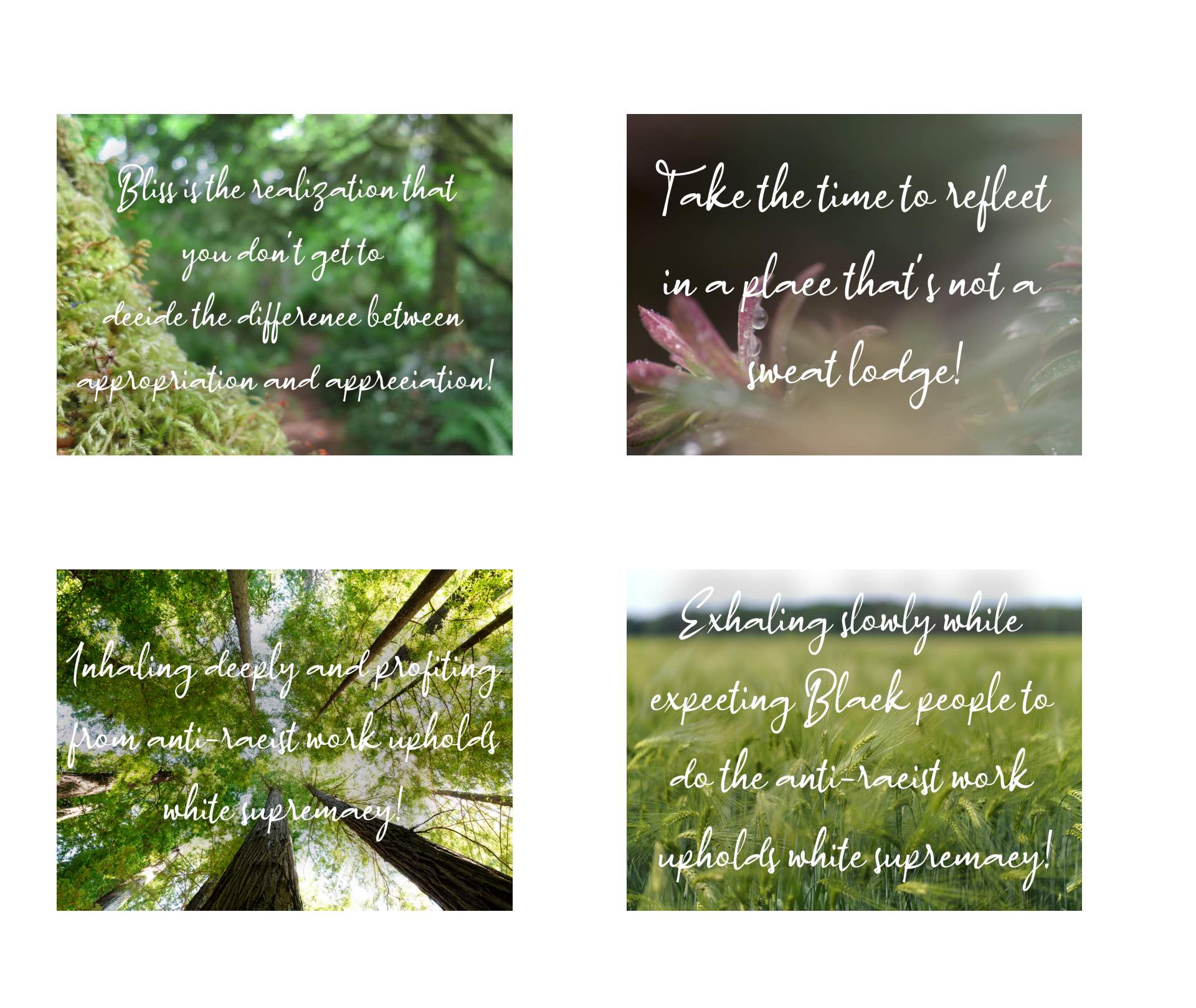
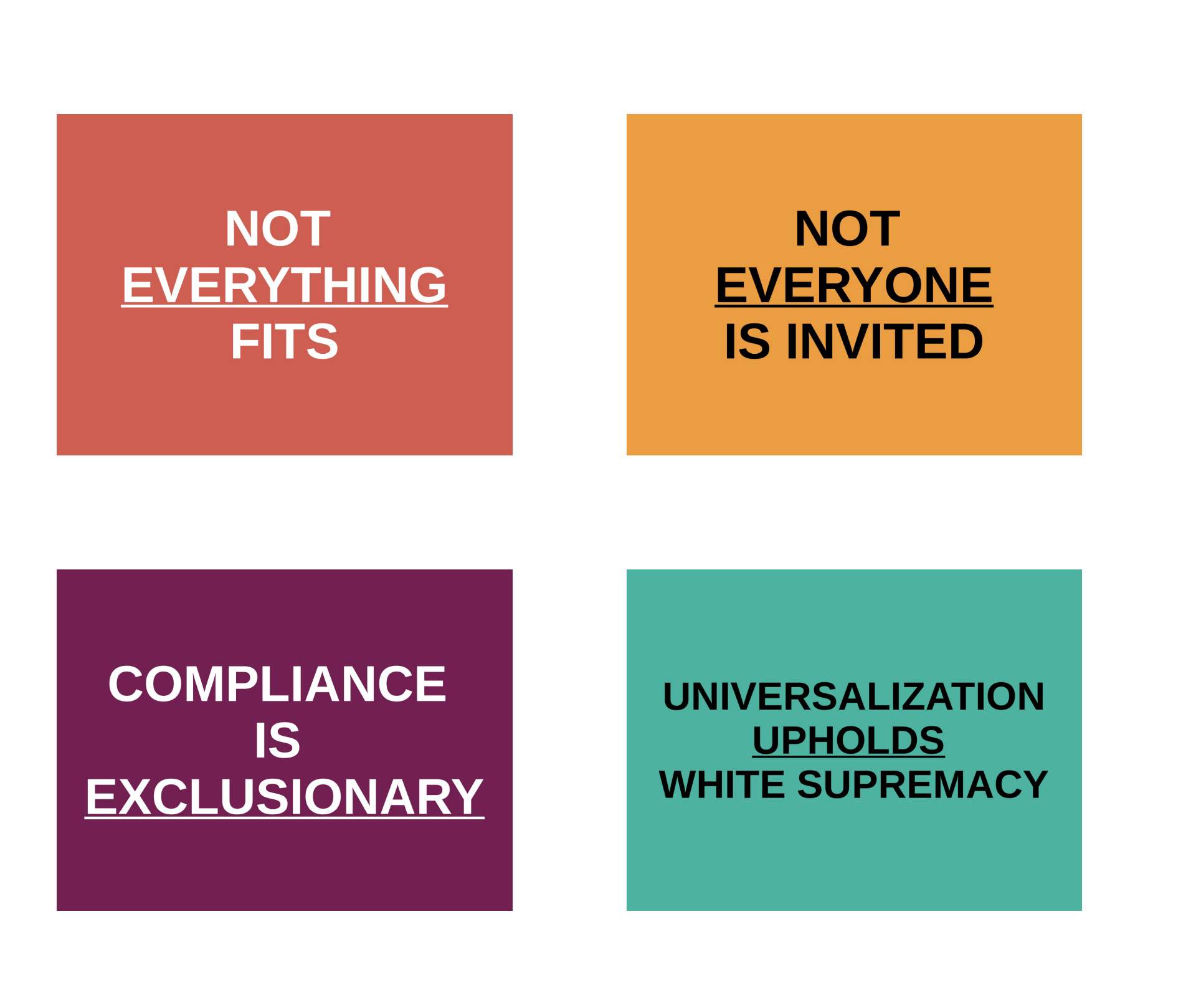
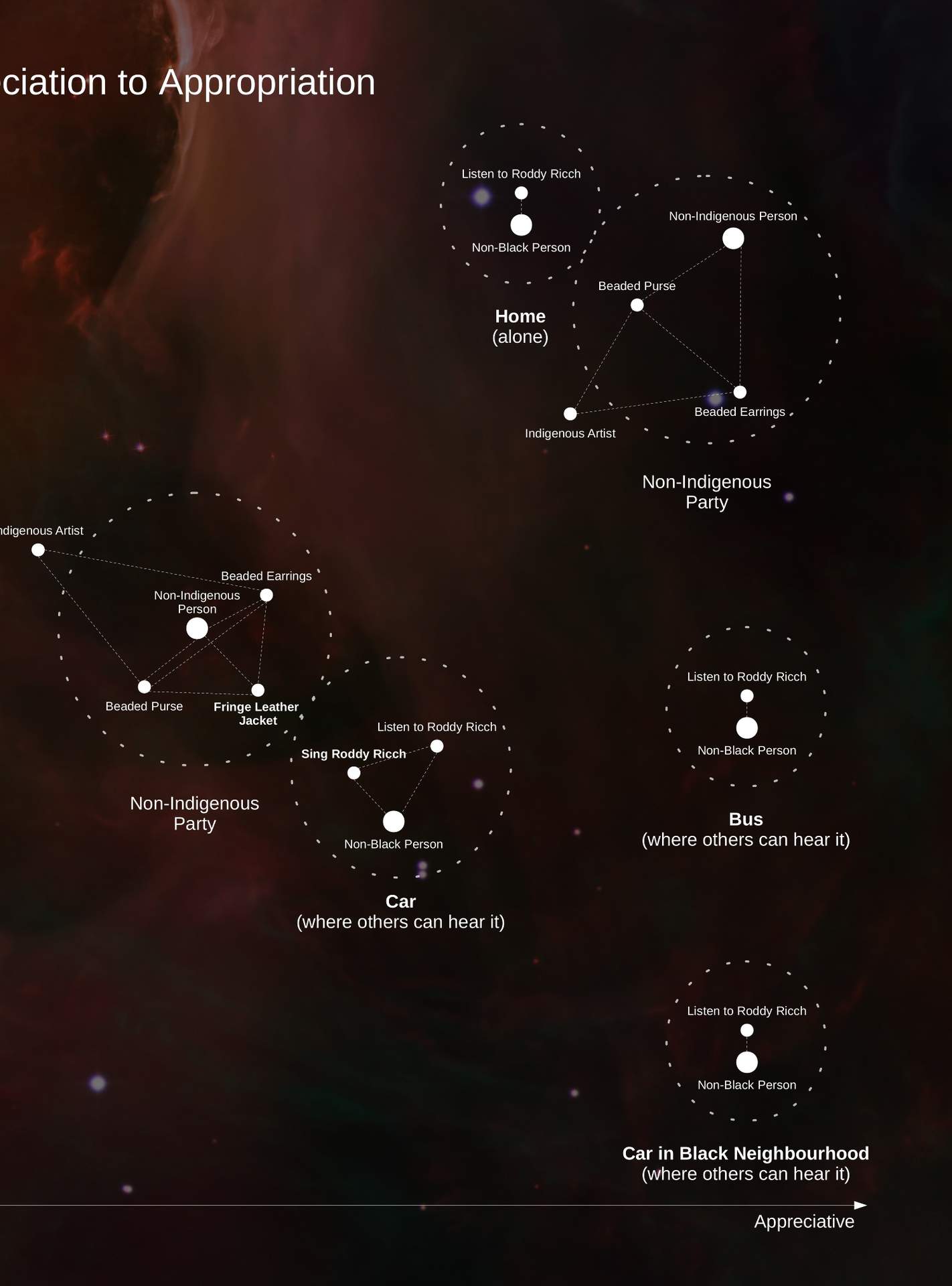
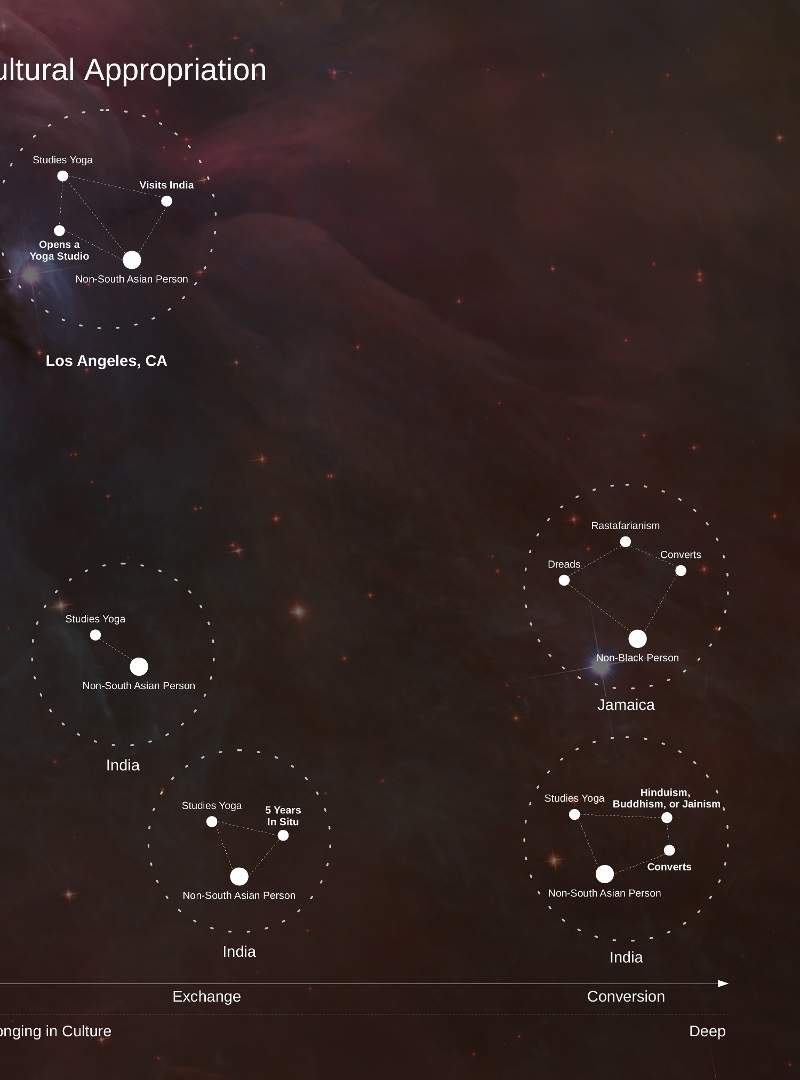
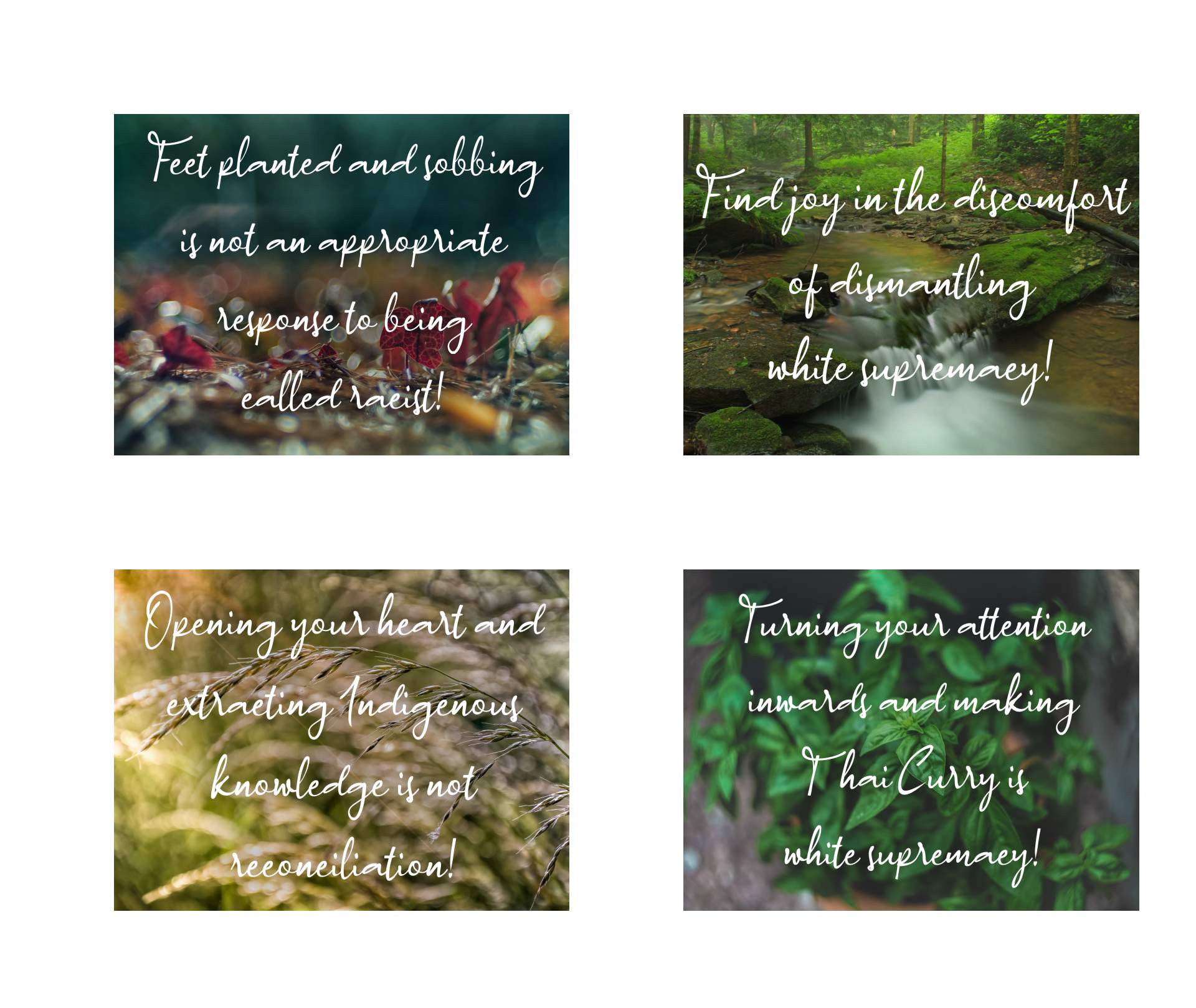
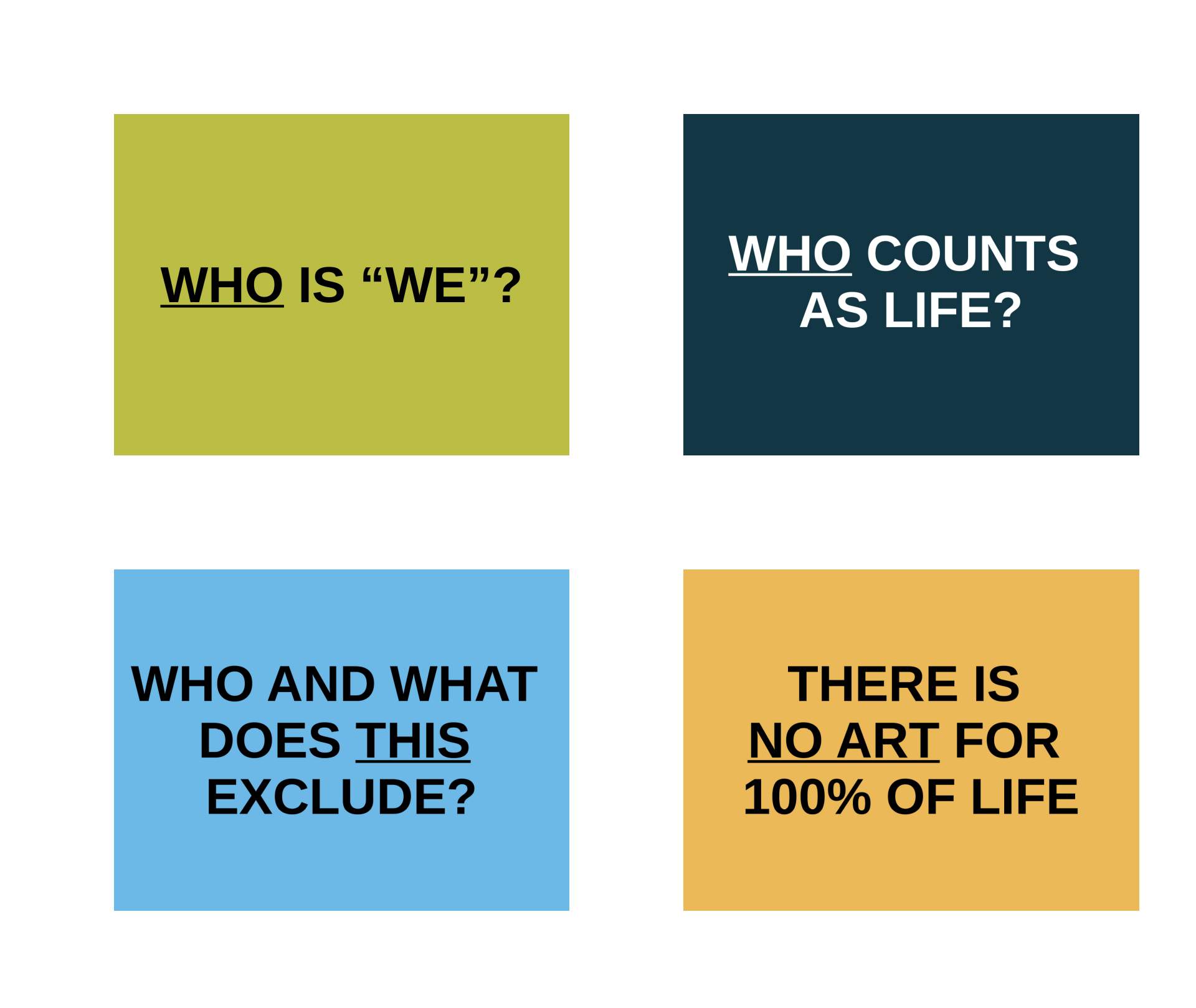
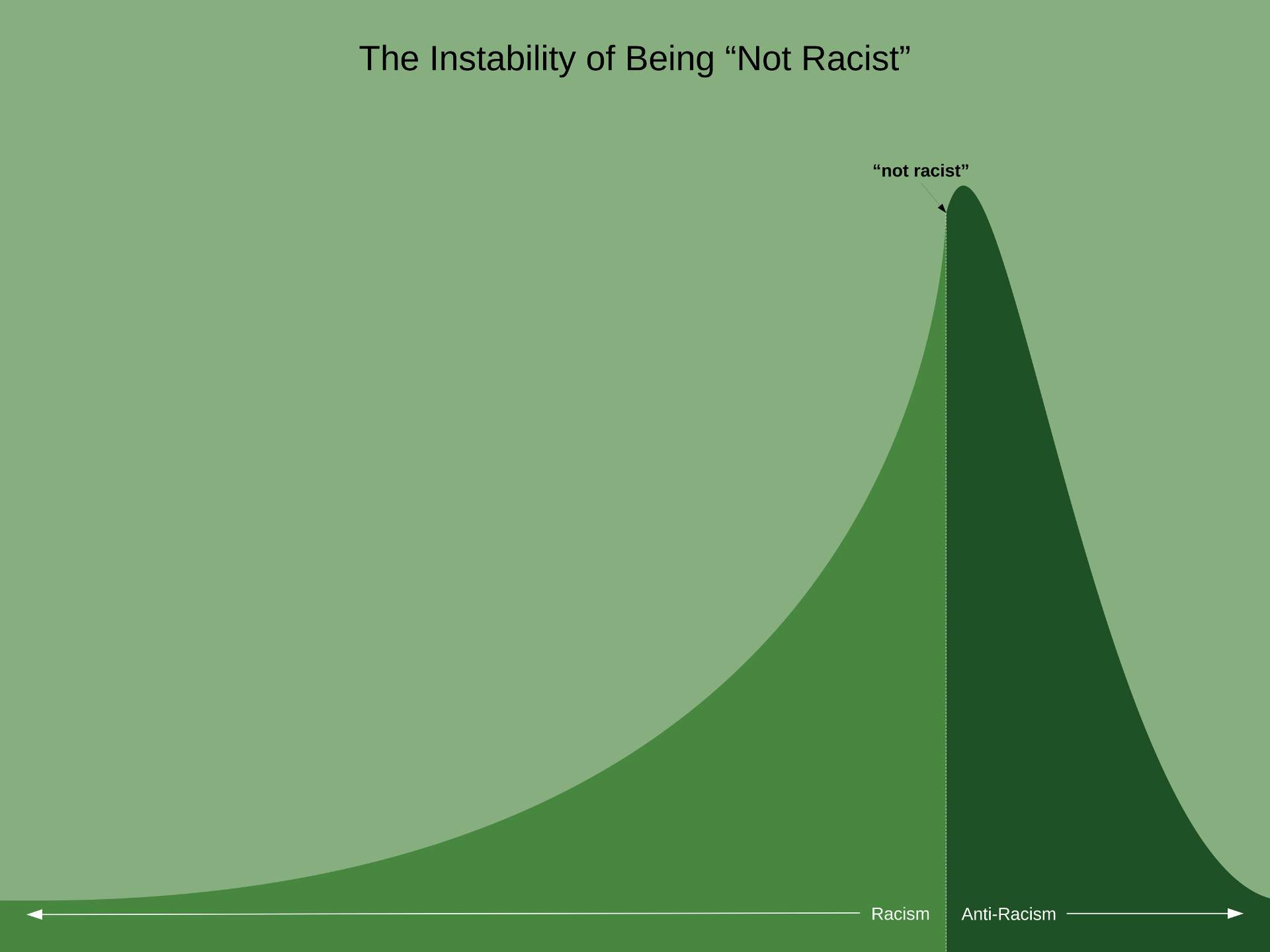
This body of work consists of three series of posters that center on three themes: 1. universalization, 2. the intersection of toxic positivity and spirituality, and 3. a systems view of cultural appropriation. Universalization is the grouping of everyone together such that differences, in particular in oppression and power, are made invisible; for example, “all lives matter” responds to the Black Lives Matter movement by universalizing the value of lives to obscure the reality that Black lives are not valued the same as white lives in social systems. “100 Percent” is a series of posters consisting of upper case texts on brightly colored backgrounds that make strong assertions that reject some of the universalizing statements that have been used during the Design Science Studio. At the intersection of toxic positivity and spirituality, motivational messages implicitly center a privileged point of view and elevate positive intention and mind-set as central to success, e.g. “Good vibes only”. “This Work May Trigger White Fragility!” is a parody of the motivational poster that subverts their visual style, and some of their vocabulary, using anti-racist messages. A systems view of cultural appropriation involves going beyond the ‘right’ or ‘wrong’ binary to a nuanced view where the harmfulness of appropriation depends on the relations around the appropriated object. “Constellations of Appropriation” are two large scale posters that use the aesthetic of star constellations as a metaphor to organize systems-based depictions of various acts of cultural appropriation and appreciation.
Artwork title
We can't build the radical future for 100% of life using the racist and colonial patterns of the present!
Artist name
Ben Bogart
Artwork Description:
This body of work consists of three series of posters that center on three themes: 1. universalization, 2. the intersection of toxic positivity and spirituality, and 3. a systems view of cultural appropriation. Universalization is the grouping of everyone together such that differences, in particular in oppression and power, are made invisible; for example, “all lives matter” responds to the Black Lives Matter movement by universalizing the value of lives to obscure the reality that Black lives are not valued the same as white lives in social systems. “100 Percent” is a series of posters consisting of upper case texts on brightly colored backgrounds that make strong assertions that reject some of the universalizing statements that have been used during the Design Science Studio. At the intersection of toxic positivity and spirituality, motivational messages implicitly center a privileged point of view and elevate positive intention and mind-set as central to success, e.g. “Good vibes only”. “This Work May Trigger White Fragility!” is a parody of the motivational poster that subverts their visual style, and some of their vocabulary, using anti-racist messages. A systems view of cultural appropriation involves going beyond the ‘right’ or ‘wrong’ binary to a nuanced view where the harmfulness of appropriation depends on the relations around the appropriated object. “Constellations of Appropriation” are two large scale posters that use the aesthetic of star constellations as a metaphor to organize systems-based depictions of various acts of cultural appropriation and appreciation.
Artwork title
We can't build the radical future for 100% of life using the racist and colonial patterns of the present!
Artist name
Ben Bogart
Artwork Description:
This body of work consists of three series of posters that center on three themes: 1. universalization, 2. the intersection of toxic positivity and spirituality, and 3. a systems view of cultural appropriation. Universalization is the grouping of everyone together such that differences, in particular in oppression and power, are made invisible; for example, “all lives matter” responds to the Black Lives Matter movement by universalizing the value of lives to obscure the reality that Black lives are not valued the same as white lives in social systems. “100 Percent” is a series of posters consisting of upper case texts on brightly colored backgrounds that make strong assertions that reject some of the universalizing statements that have been used during the Design Science Studio. At the intersection of toxic positivity and spirituality, motivational messages implicitly center a privileged point of view and elevate positive intention and mind-set as central to success, e.g. “Good vibes only”. “This Work May Trigger White Fragility!” is a parody of the motivational poster that subverts their visual style, and some of their vocabulary, using anti-racist messages. A systems view of cultural appropriation involves going beyond the ‘right’ or ‘wrong’ binary to a nuanced view where the harmfulness of appropriation depends on the relations around the appropriated object. “Constellations of Appropriation” are two large scale posters that use the aesthetic of star constellations as a metaphor to organize systems-based depictions of various acts of cultural appropriation and appreciation.
Artwork title
We can't build the radical future for 100% of life using the racist and colonial patterns of the present!
Artist name
Ben Bogart
Artwork Description:
This body of work consists of three series of posters that center on three themes: 1. universalization, 2. the intersection of toxic positivity and spirituality, and 3. a systems view of cultural appropriation. Universalization is the grouping of everyone together such that differences, in particular in oppression and power, are made invisible; for example, “all lives matter” responds to the Black Lives Matter movement by universalizing the value of lives to obscure the reality that Black lives are not valued the same as white lives in social systems. “100 Percent” is a series of posters consisting of upper case texts on brightly colored backgrounds that make strong assertions that reject some of the universalizing statements that have been used during the Design Science Studio. At the intersection of toxic positivity and spirituality, motivational messages implicitly center a privileged point of view and elevate positive intention and mind-set as central to success, e.g. “Good vibes only”. “This Work May Trigger White Fragility!” is a parody of the motivational poster that subverts their visual style, and some of their vocabulary, using anti-racist messages. A systems view of cultural appropriation involves going beyond the ‘right’ or ‘wrong’ binary to a nuanced view where the harmfulness of appropriation depends on the relations around the appropriated object. “Constellations of Appropriation” are two large scale posters that use the aesthetic of star constellations as a metaphor to organize systems-based depictions of various acts of cultural appropriation and appreciation.
Artwork title
We can't build the radical future for 100% of life using the racist and colonial patterns of the present!
Artist name
Ben Bogart
Artwork Description:
This body of work consists of three series of posters that center on three themes: 1. universalization, 2. the intersection of toxic positivity and spirituality, and 3. a systems view of cultural appropriation. Universalization is the grouping of everyone together such that differences, in particular in oppression and power, are made invisible; for example, “all lives matter” responds to the Black Lives Matter movement by universalizing the value of lives to obscure the reality that Black lives are not valued the same as white lives in social systems. “100 Percent” is a series of posters consisting of upper case texts on brightly colored backgrounds that make strong assertions that reject some of the universalizing statements that have been used during the Design Science Studio. At the intersection of toxic positivity and spirituality, motivational messages implicitly center a privileged point of view and elevate positive intention and mind-set as central to success, e.g. “Good vibes only”. “This Work May Trigger White Fragility!” is a parody of the motivational poster that subverts their visual style, and some of their vocabulary, using anti-racist messages. A systems view of cultural appropriation involves going beyond the ‘right’ or ‘wrong’ binary to a nuanced view where the harmfulness of appropriation depends on the relations around the appropriated object. “Constellations of Appropriation” are two large scale posters that use the aesthetic of star constellations as a metaphor to organize systems-based depictions of various acts of cultural appropriation and appreciation.
Artwork title
We can't build the radical future for 100% of life using the racist and colonial patterns of the present!
Artist name
Ben Bogart
Artwork Description:
This body of work consists of three series of posters that center on three themes: 1. universalization, 2. the intersection of toxic positivity and spirituality, and 3. a systems view of cultural appropriation. Universalization is the grouping of everyone together such that differences, in particular in oppression and power, are made invisible; for example, “all lives matter” responds to the Black Lives Matter movement by universalizing the value of lives to obscure the reality that Black lives are not valued the same as white lives in social systems. “100 Percent” is a series of posters consisting of upper case texts on brightly colored backgrounds that make strong assertions that reject some of the universalizing statements that have been used during the Design Science Studio. At the intersection of toxic positivity and spirituality, motivational messages implicitly center a privileged point of view and elevate positive intention and mind-set as central to success, e.g. “Good vibes only”. “This Work May Trigger White Fragility!” is a parody of the motivational poster that subverts their visual style, and some of their vocabulary, using anti-racist messages. A systems view of cultural appropriation involves going beyond the ‘right’ or ‘wrong’ binary to a nuanced view where the harmfulness of appropriation depends on the relations around the appropriated object. “Constellations of Appropriation” are two large scale posters that use the aesthetic of star constellations as a metaphor to organize systems-based depictions of various acts of cultural appropriation and appreciation.
Artwork title
We can't build the radical future for 100% of life using the racist and colonial patterns of the present!
Artist name
Ben Bogart
Artwork Description:
This body of work consists of three series of posters that center on three themes: 1. universalization, 2. the intersection of toxic positivity and spirituality, and 3. a systems view of cultural appropriation. Universalization is the grouping of everyone together such that differences, in particular in oppression and power, are made invisible; for example, “all lives matter” responds to the Black Lives Matter movement by universalizing the value of lives to obscure the reality that Black lives are not valued the same as white lives in social systems. “100 Percent” is a series of posters consisting of upper case texts on brightly colored backgrounds that make strong assertions that reject some of the universalizing statements that have been used during the Design Science Studio. At the intersection of toxic positivity and spirituality, motivational messages implicitly center a privileged point of view and elevate positive intention and mind-set as central to success, e.g. “Good vibes only”. “This Work May Trigger White Fragility!” is a parody of the motivational poster that subverts their visual style, and some of their vocabulary, using anti-racist messages. A systems view of cultural appropriation involves going beyond the ‘right’ or ‘wrong’ binary to a nuanced view where the harmfulness of appropriation depends on the relations around the appropriated object. “Constellations of Appropriation” are two large scale posters that use the aesthetic of star constellations as a metaphor to organize systems-based depictions of various acts of cultural appropriation and appreciation.
Artwork title
Same Community
Artist name
Maria Lucia Duque Bustamante
Artwork Description:
Same Community
The project promotes an idea that everything is connected through exploration of nature and human cultures. SAME has grown on the idea of spontaneous cooperation and so-called synergy chats. It aims to shape social norms from separation to co-existence, and such to inspire people to act as one organism: in a deeper state of awareness and caring for the needs of self and others, because it's all the same. "I see you in me, and myself in you!" The project’s story: Rūta and Malü met at a spiritual ecology course on the Internet in 2020. Together, they imagined a SAME community which now unites 28 members from 18 countries/cultures out of 195.

The medium is a website and data visualisation showcasing humans from all world's countries/cultures and their projects, together with a community online forum on Discord where the community virtually lives.
Artwork title
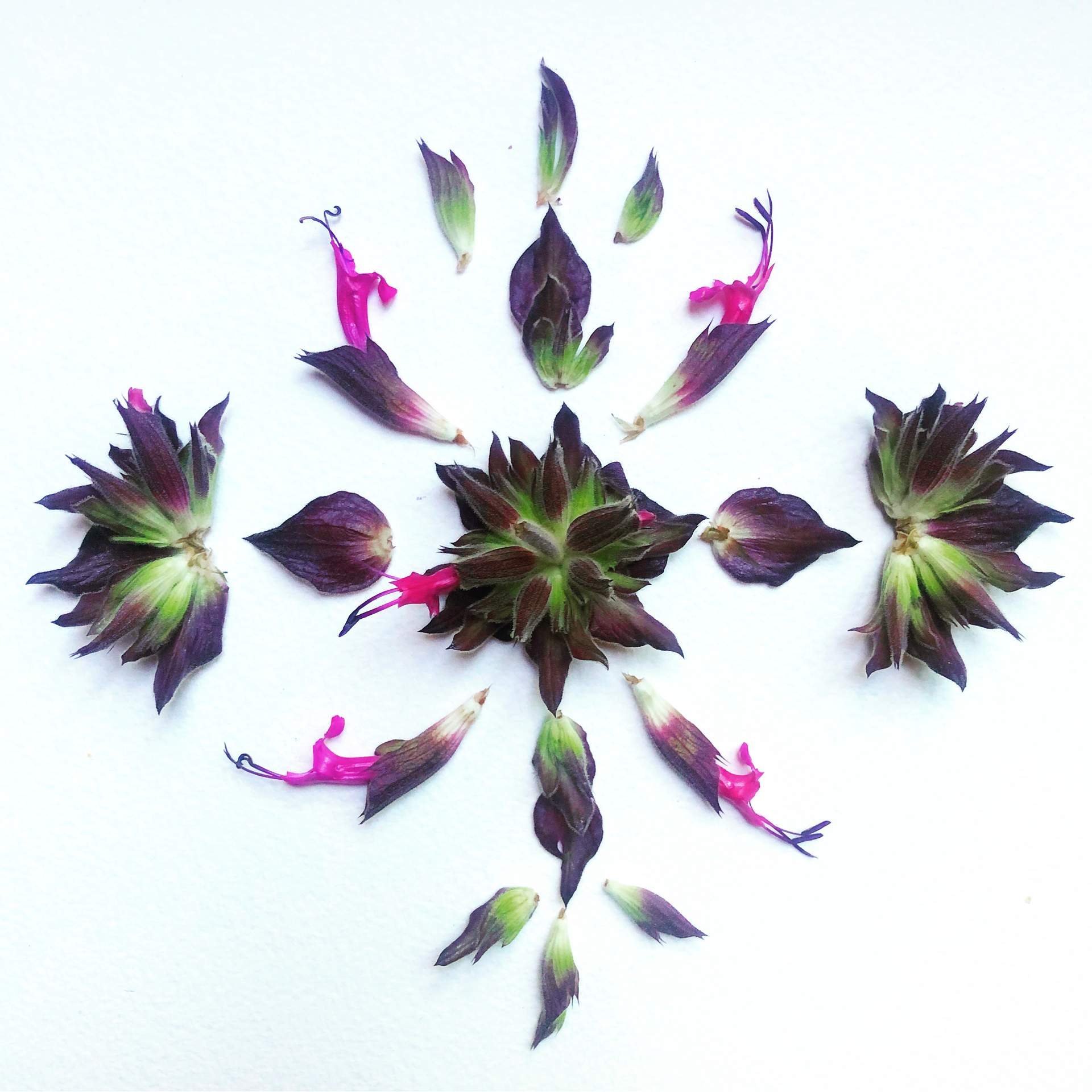
Space to Bloom 000
Artist name
Elysa Fenenbock
Artwork Description:
Flower Meditations
Space to Bloom is an evolution of flower collection and meditative art-making during shelter-in-place. The artwork is inspired by the constraint of locally found flowers peaking through and thriving within city streets during a time of global pause. The daily meditations themselves invite anyone, whether they see themselves as artists or not, to create something beautiful, reminding us to play and to tap into our innate creativity. And second, the works are reminding us to pay attention to our nearby plant and flower friends, and inviting us to take a deeper look.

An artist’s job is to invite us to look more deeply, to call attention, often to the seemingly obvious, but often forgotten experiences of daily life. Mother Nature reminds us of our delicate vulnerability, giving us a clearer view of our profound interconnectedness (our "Interbeing" as Thich Nhat Hanh paints it). Meanwhile we experienced one of the most beautiful springs in history. As the skies clear, the flowers bloom, the birds sing, and the coyotes roam the streets, Nature reminds us how quickly everything can change and how easy healing can be, given space and time.
Artwork title
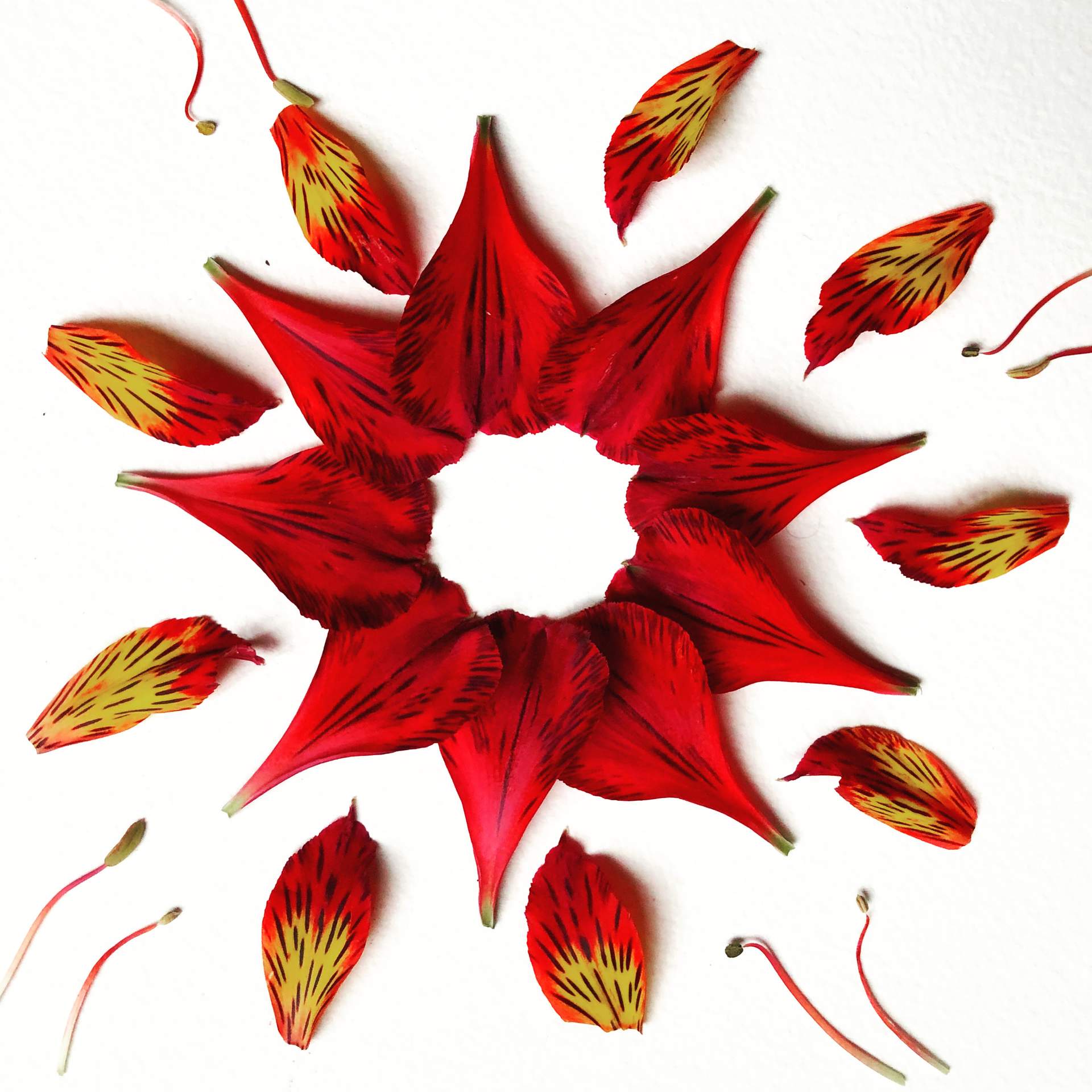
Space to Bloom 001
Artist name
Elysa Fenenbock
Artwork Description:
Flower Meditations
Space to Bloom is an evolution of flower collection and meditative art-making during shelter-in-place. The artwork is inspired by the constraint of locally found flowers peaking through and thriving within city streets during a time of global pause. The daily meditations themselves invite anyone, whether they see themselves as artists or not, to create something beautiful, reminding us to play and to tap into our innate creativity. And second, the works are reminding us to pay attention to our nearby plant and flower friends, and inviting us to take a deeper look.

An artist’s job is to invite us to look more deeply, to call attention, often to the seemingly obvious, but often forgotten experiences of daily life. Mother Nature reminds us of our delicate vulnerability, giving us a clearer view of our profound interconnectedness (our "Interbeing" as Thich Nhat Hanh paints it). Meanwhile we experienced one of the most beautiful springs in history. As the skies clear, the flowers bloom, the birds sing, and the coyotes roam the streets, Nature reminds us how quickly everything can change and how easy healing can be, given space and time.
Artwork title
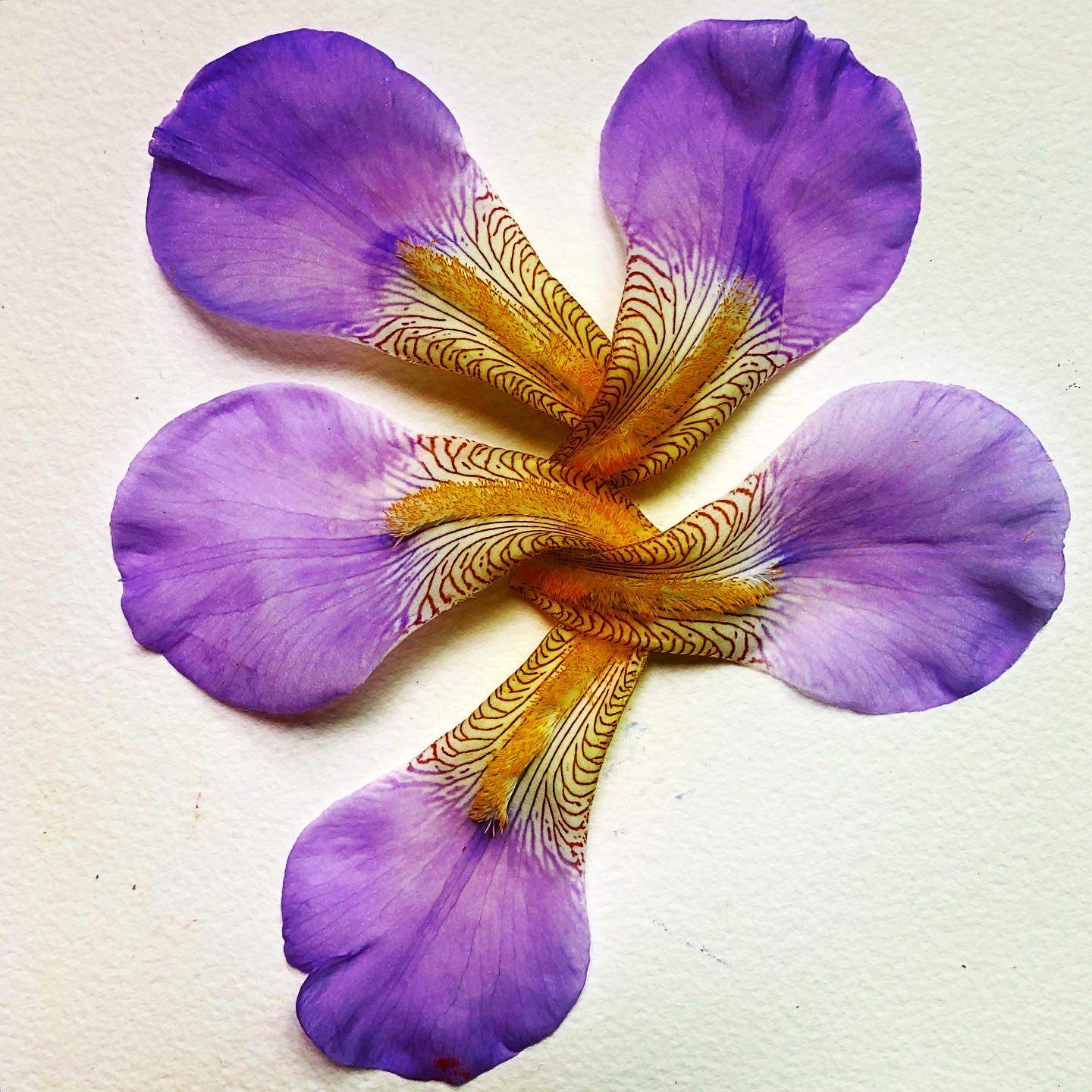
Space to Bloom 006
Artist name
Elysa Fenenbock
Artwork Description:
Flower Meditations
Space to Bloom is an evolution of flower collection and meditative art-making during shelter-in-place. The artwork is inspired by the constraint of locally found flowers peaking through and thriving within city streets during a time of global pause. The daily meditations themselves invite anyone, whether they see themselves as artists or not, to create something beautiful, reminding us to play and to tap into our innate creativity. And second, the works are reminding us to pay attention to our nearby plant and flower friends, and inviting us to take a deeper look.

An artist’s job is to invite us to look more deeply, to call attention, often to the seemingly obvious, but often forgotten experiences of daily life. Mother Nature reminds us of our delicate vulnerability, giving us a clearer view of our profound interconnectedness (our "Interbeing" as Thich Nhat Hanh paints it). Meanwhile we experienced one of the most beautiful springs in history. As the skies clear, the flowers bloom, the birds sing, and the coyotes roam the streets, Nature reminds us how quickly everything can change and how easy healing can be, given space and time.
Artwork title
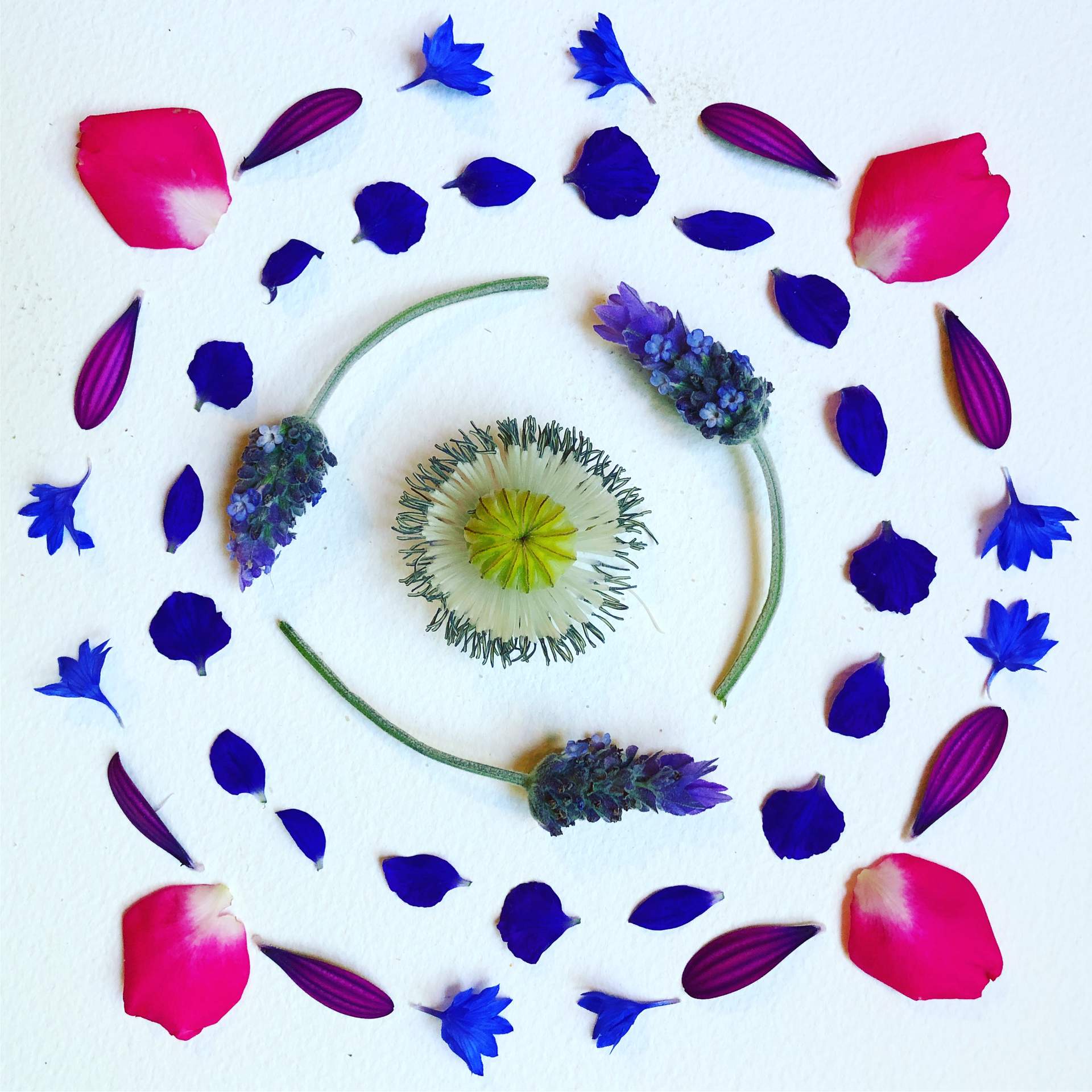
Space to Bloom 007
Artist name
Elysa Fenenbock
Artwork Description:
Flower Meditations
Space to Bloom is an evolution of flower collection and meditative art-making during shelter-in-place. The artwork is inspired by the constraint of locally found flowers peaking through and thriving within city streets during a time of global pause. The daily meditations themselves invite anyone, whether they see themselves as artists or not, to create something beautiful, reminding us to play and to tap into our innate creativity. And second, the works are reminding us to pay attention to our nearby plant and flower friends, and inviting us to take a deeper look.

An artist’s job is to invite us to look more deeply, to call attention, often to the seemingly obvious, but often forgotten experiences of daily life. Mother Nature reminds us of our delicate vulnerability, giving us a clearer view of our profound interconnectedness (our "Interbeing" as Thich Nhat Hanh paints it). Meanwhile we experienced one of the most beautiful springs in history. As the skies clear, the flowers bloom, the birds sing, and the coyotes roam the streets, Nature reminds us how quickly everything can change and how easy healing can be, given space and time.
-m1bududw.jpg)
Artwork title
Space to Bloom 011
Artist name
Elysa Fenenbock
Artwork Description:
Flower Meditations
Space to Bloom is an evolution of flower collection and meditative art-making during shelter-in-place. The artwork is inspired by the constraint of locally found flowers peaking through and thriving within city streets during a time of global pause. The daily meditations themselves invite anyone, whether they see themselves as artists or not, to create something beautiful, reminding us to play and to tap into our innate creativity. And second, the works are reminding us to pay attention to our nearby plant and flower friends, and inviting us to take a deeper look.

An artist’s job is to invite us to look more deeply, to call attention, often to the seemingly obvious, but often forgotten experiences of daily life. Mother Nature reminds us of our delicate vulnerability, giving us a clearer view of our profound interconnectedness (our "Interbeing" as Thich Nhat Hanh paints it). Meanwhile we experienced one of the most beautiful springs in history. As the skies clear, the flowers bloom, the birds sing, and the coyotes roam the streets, Nature reminds us how quickly everything can change and how easy healing can be, given space and time.
Artwork title
Space to Bloom 012
Artist name
Elysa Fenenbock
Artwork Description:
Flower Meditations
Space to Bloom is an evolution of flower collection and meditative art-making during shelter-in-place. The artwork is inspired by the constraint of locally found flowers peaking through and thriving within city streets during a time of global pause. The daily meditations themselves invite anyone, whether they see themselves as artists or not, to create something beautiful, reminding us to play and to tap into our innate creativity. And second, the works are reminding us to pay attention to our nearby plant and flower friends, and inviting us to take a deeper look.

An artist’s job is to invite us to look more deeply, to call attention, often to the seemingly obvious, but often forgotten experiences of daily life. Mother Nature reminds us of our delicate vulnerability, giving us a clearer view of our profound interconnectedness (our "Interbeing" as Thich Nhat Hanh paints it). Meanwhile we experienced one of the most beautiful springs in history. As the skies clear, the flowers bloom, the birds sing, and the coyotes roam the streets, Nature reminds us how quickly everything can change and how easy healing can be, given space and time.
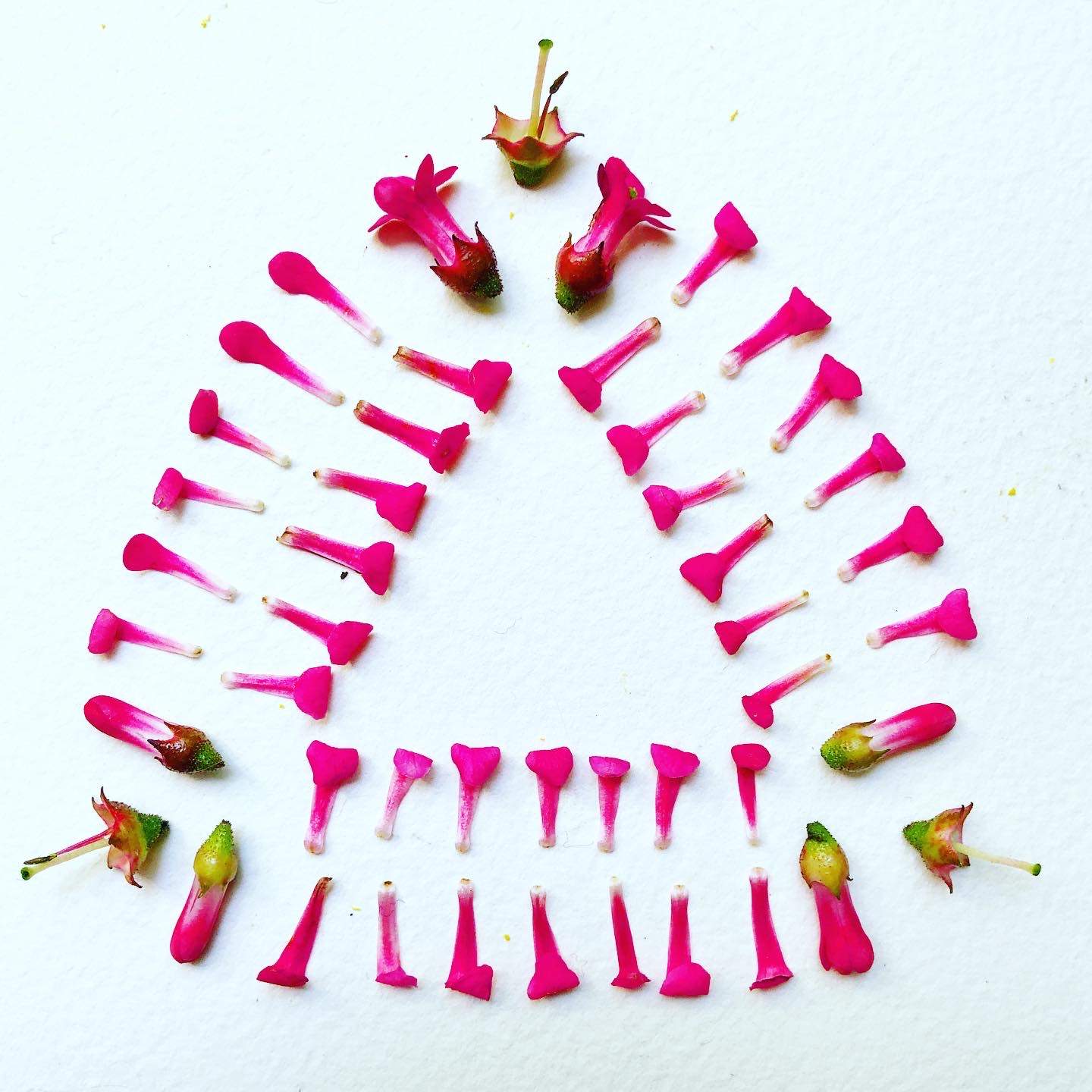
Artwork title
Space to Bloom 013
Artist name
Elysa Fenebrock
Artwork Description:
Flower Meditations
Space to Bloom is an evolution of flower collection and meditative art-making during shelter-in-place. The artwork is inspired by the constraint of locally found flowers peaking through and thriving within city streets during a time of global pause. The daily meditations themselves invite anyone, whether they see themselves as artists or not, to create something beautiful, reminding us to play and to tap into our innate creativity. And second, the works are reminding us to pay attention to our nearby plant and flower friends, and inviting us to take a deeper look.

An artist’s job is to invite us to look more deeply, to call attention, often to the seemingly obvious, but often forgotten experiences of daily life. Mother Nature reminds us of our delicate vulnerability, giving us a clearer view of our profound interconnectedness (our "Interbeing" as Thich Nhat Hanh paints it). Meanwhile we experienced one of the most beautiful springs in history. As the skies clear, the flowers bloom, the birds sing, and the coyotes roam the streets, Nature reminds us how quickly everything can change and how easy healing can be, given space and time.
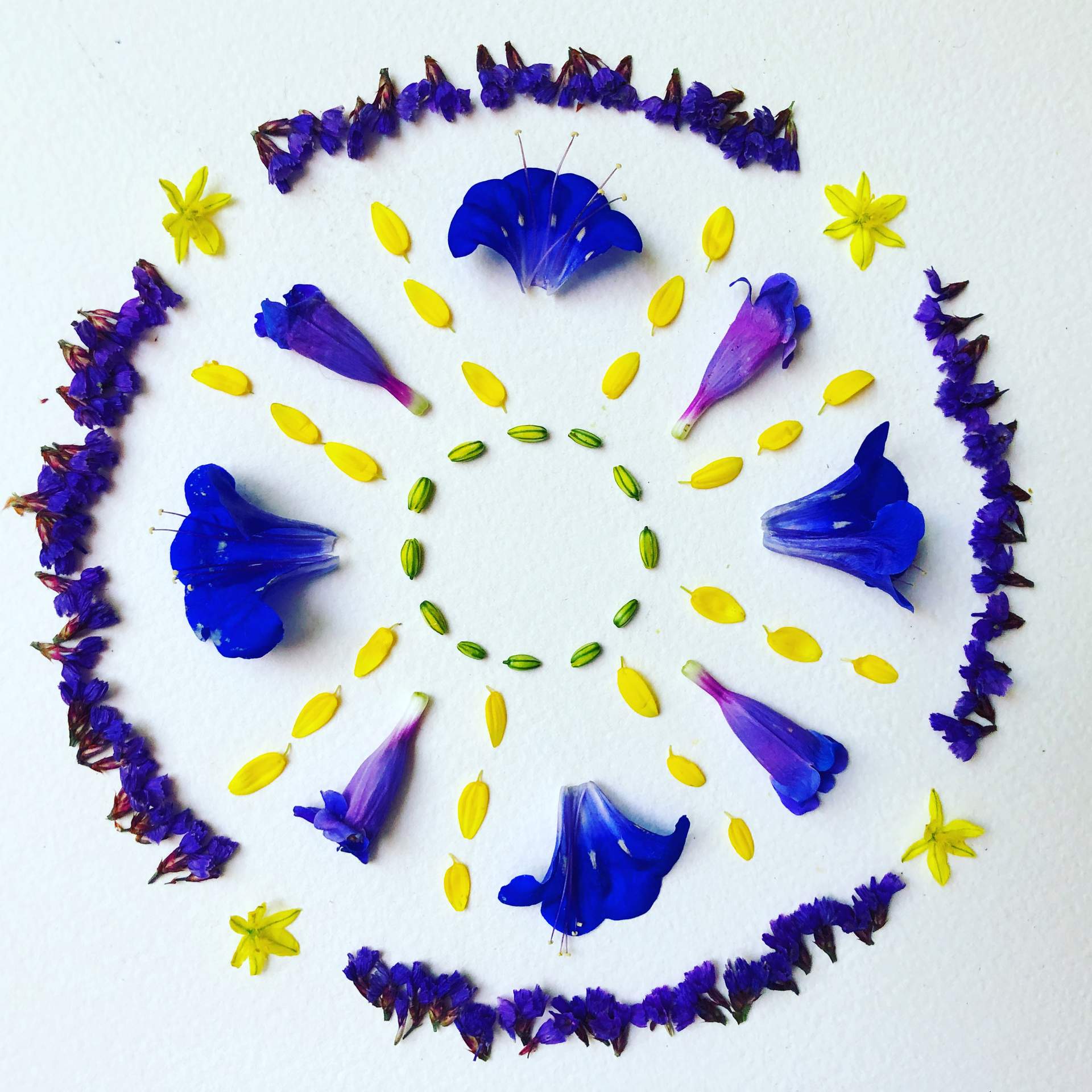
Artwork title
Space to Bloom 014
Artist name
Elysa Fenenbock
Artwork Description:
Flower Meditations
Space to Bloom is an evolution of flower collection and meditative art-making during shelter-in-place. The artwork is inspired by the constraint of locally found flowers peaking through and thriving within city streets during a time of global pause. The daily meditations themselves invite anyone, whether they see themselves as artists or not, to create something beautiful, reminding us to play and to tap into our innate creativity. And second, the works are reminding us to pay attention to our nearby plant and flower friends, and inviting us to take a deeper look.

An artist’s job is to invite us to look more deeply, to call attention, often to the seemingly obvious, but often forgotten experiences of daily life. Mother Nature reminds us of our delicate vulnerability, giving us a clearer view of our profound interconnectedness (our "Interbeing" as Thich Nhat Hanh paints it). Meanwhile we experienced one of the most beautiful springs in history. As the skies clear, the flowers bloom, the birds sing, and the coyotes roam the streets, Nature reminds us how quickly everything can change and how easy healing can be, given space and time.
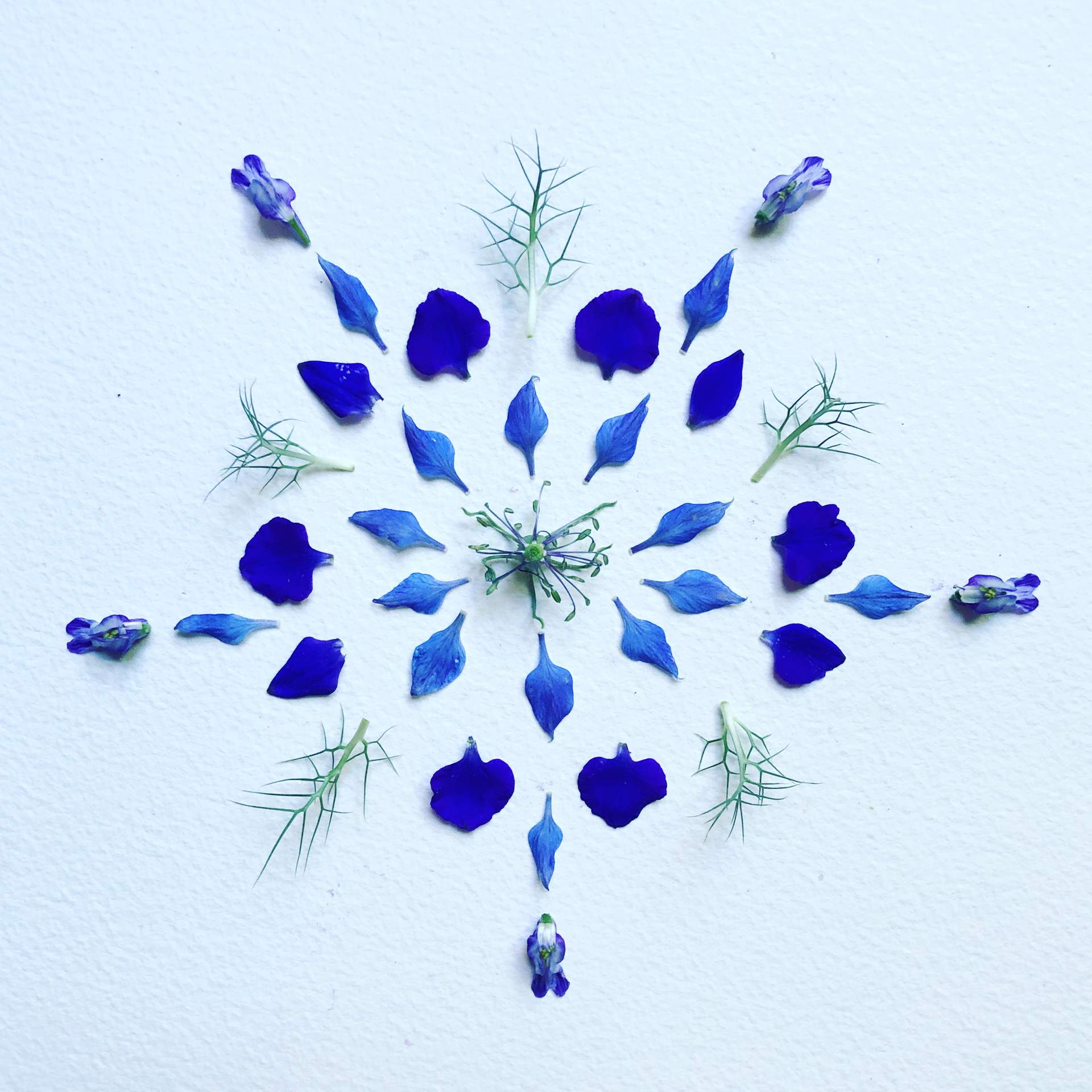
Artwork title
Living in Rhythm
Artist name
Alana Bloom
Artwork Description:
regenerating rhythms
Living In Rhythm is a learning journey into the wisdom of the earth and it's regenerative possibilities through the practice of Cyclical Living. Starting in May its a 9 week journey for regenerators and artists of all kinds exploring what it means to work towards a regenerative future. An approach that includes nature connection, deep ecology, embodiment, resilience, earth based spirituality and activism.

Artwork title
Living in Rhythm 2
Artist name
Alana Bloom
Artwork Description:
regenerating rhythms
Living In Rhythm is a learning journey into the wisdom of the earth and it's regenerative possibilities through the practice of Cyclical Living. Starting in May its a 9 week journey for regenerators and artists of all kinds exploring what it means to work towards a regenerative future. An approach that includes nature connection, deep ecology, embodiment, resilience, earth based spirituality and activism.
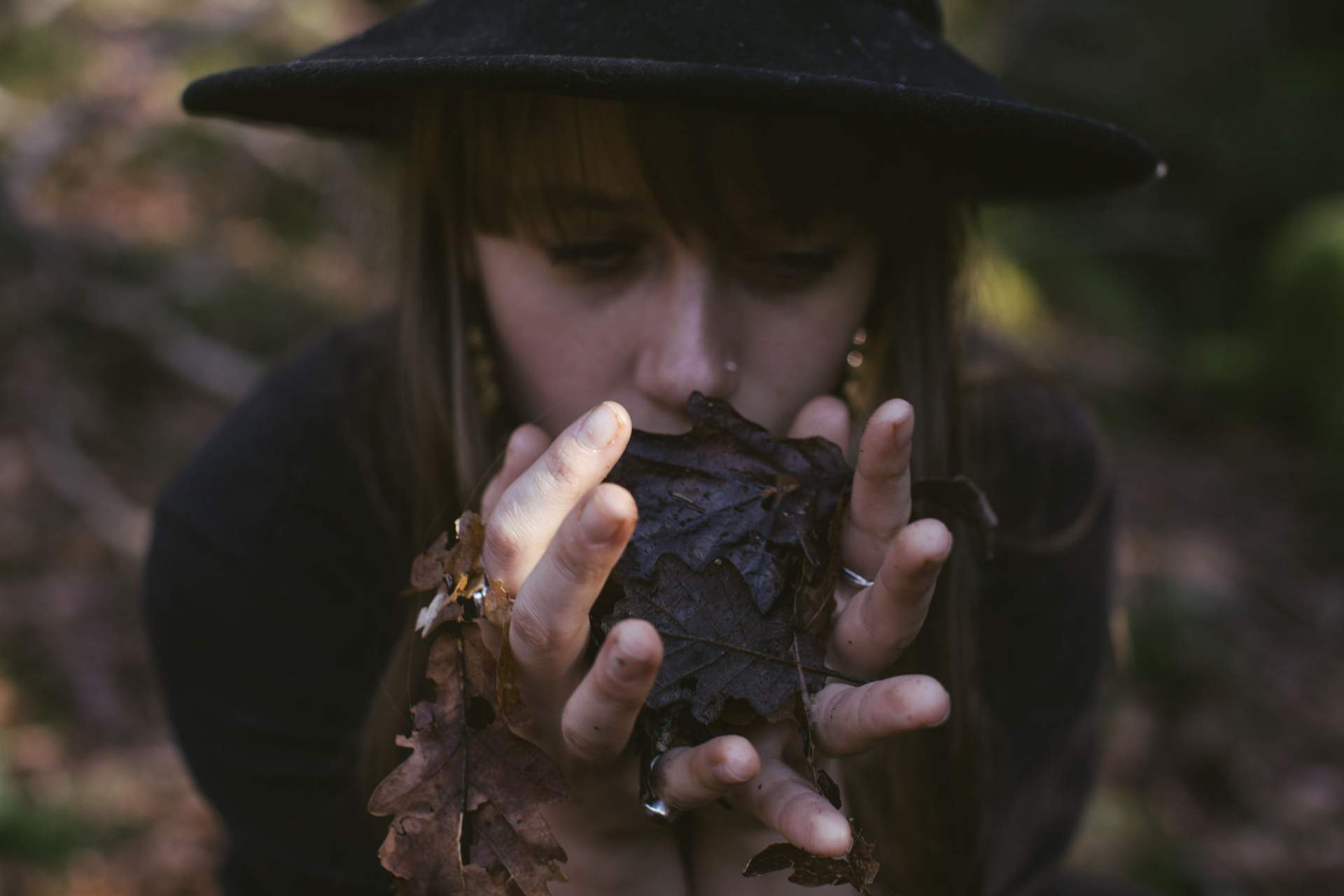
Artwork title
Living in Rhythm 3
Artist name
Alana Bloom
Artwork Description:
regenerating rhythms
Living In Rhythm is a learning journey into the wisdom of the earth and it's regenerative possibilities through the practice of Cyclical Living. Starting in May its a 9 week journey for regenerators and artists of all kinds exploring what it means to work towards a regenerative future. An approach that includes nature connection, deep ecology, embodiment, resilience, earth based spirituality and activism.

Artwork title
Living in Rhythm 4
Artist name
Alana Bloom
Artwork Description:
regenerating rhythms
Living In Rhythm is a learning journey into the wisdom of the earth and it's regenerative possibilities through the practice of Cyclical Living. Starting in May its a 9 week journey for regenerators and artists of all kinds exploring what it means to work towards a regenerative future. An approach that includes nature connection, deep ecology, embodiment, resilience, earth based spirituality and activism.

Artwork title
Living in Rhythm 5
Artist name
Alana Bloom
Artwork Description:
regenerating rhythms
Living In Rhythm is a learning journey into the wisdom of the earth and it's regenerative possibilities through the practice of Cyclical Living. Starting in May its a 9 week journey for regenerators and artists of all kinds exploring what it means to work towards a regenerative future. An approach that includes nature connection, deep ecology, embodiment, resilience, earth based spirituality and activism.
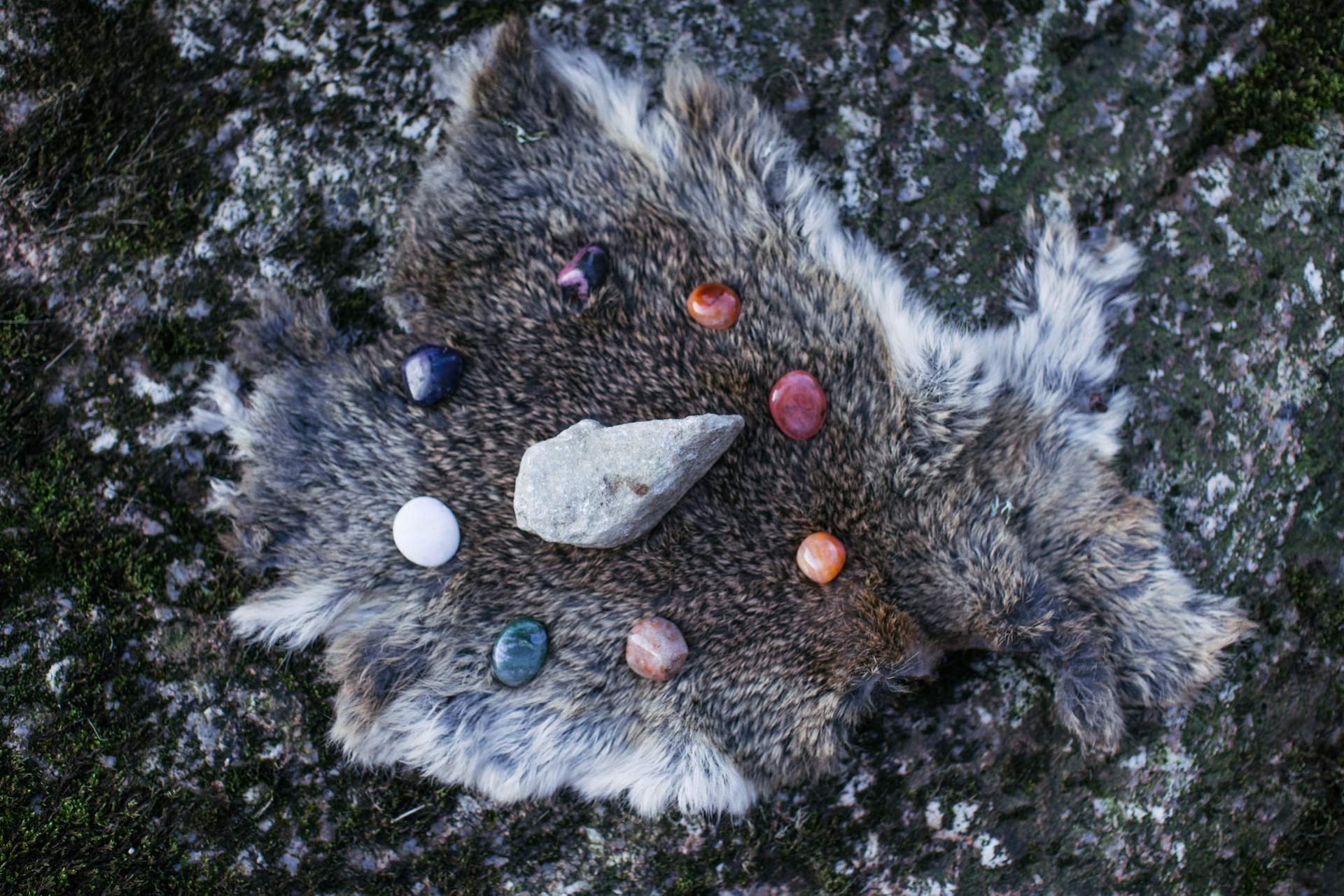
Artwork title
Living In Rhythm 6
Artist name
Alana Bloom
Artwork Description:
Living In Rhythm is a learning journey into the wisdom of the earth and it's regenerative possibilities through the practice of Cyclical Living. Starting in May its a 9 week journey for regenerators and artists of all kinds exploring what it means to work towards a regenerative future. An approach that includes nature connection, deep ecology, embodiment, resilience, earth based spirituality and activism.

Artwork title
Living in Rhythm 7
Artist name
Alana Bloom
Artwork Description:
regenerating rhythms
Living In Rhythm is a learning journey into the wisdom of the earth and it's regenerative possibilities through the practice of Cyclical Living. Starting in May its a 9 week journey for regenerators and artists of all kinds exploring what it means to work towards a regenerative future. An approach that includes nature connection, deep ecology, embodiment, resilience, earth based spirituality and activism.
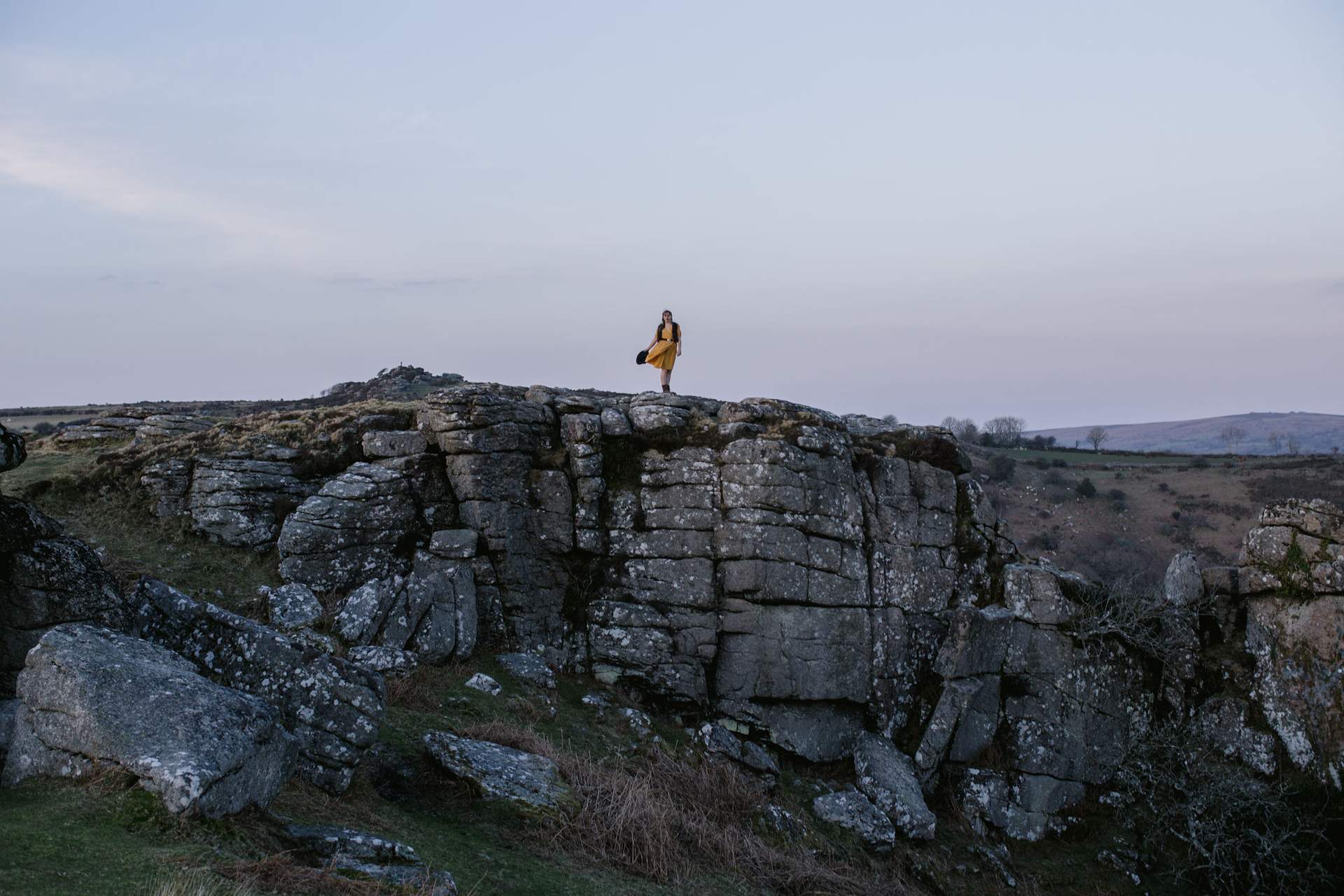
Artwork title
Living in Rhythm 8
Artist name
Alana Bloom
Artwork Description:
regenerating rhythms
Living In Rhythm is a learning journey into the wisdom of the earth and it's regenerative possibilities through the practice of Cyclical Living. Starting in May its a 9 week journey for regenerators and artists of all kinds exploring what it means to work towards a regenerative future. An approach that includes nature connection, deep ecology, embodiment, resilience, earth based spirituality and activism.
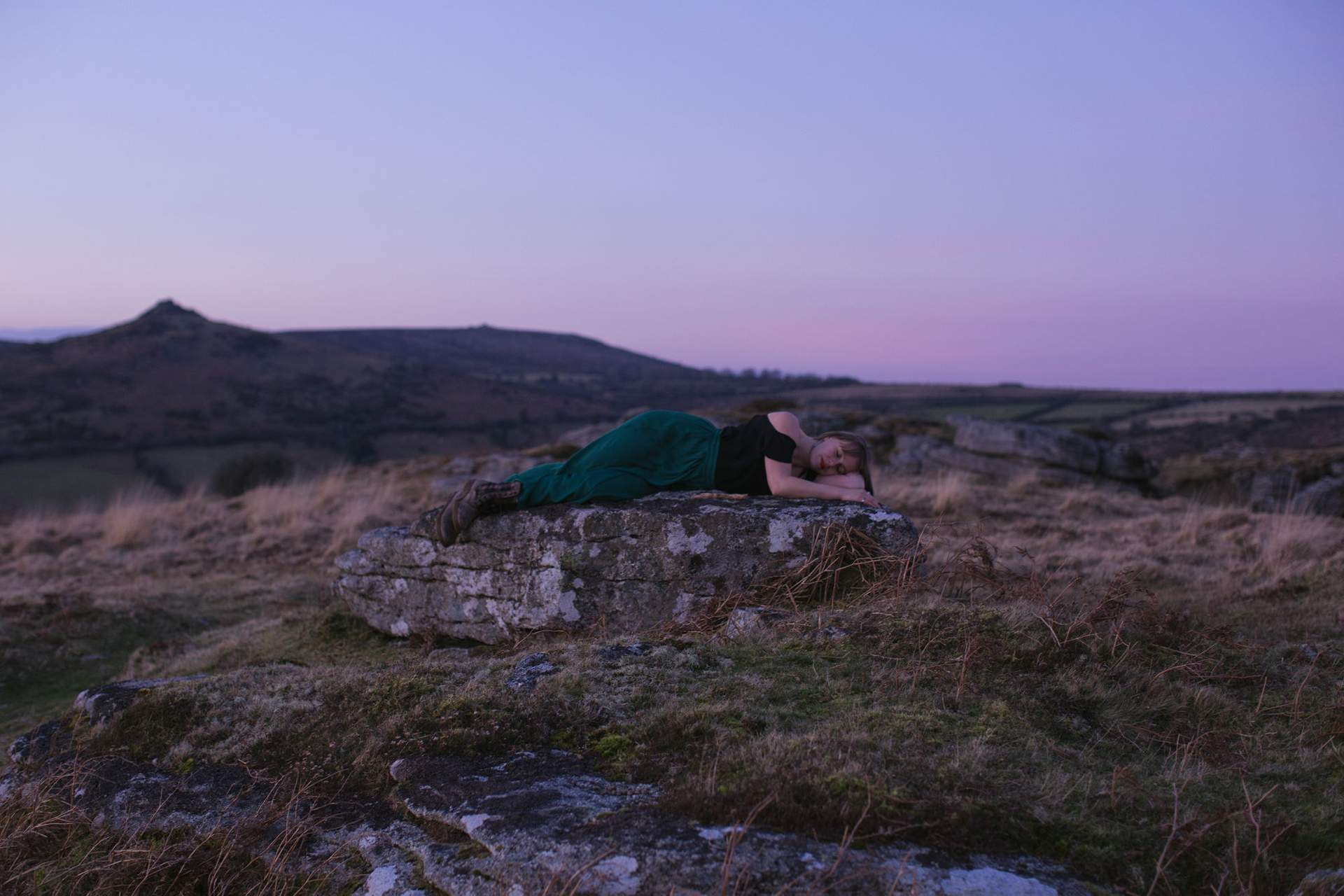
Artwork title
MICROMEGAS Station 1
Artist name
Serena Treppiedi
Artwork Description:
Explore MICROMEGAS
This installiation is a virtual, minimal Demo of a phisical, audio-video Immersive experience, a journey to enrich the impact of scientific demonstration/visualizations in the artistic process and in the collective awareness. With a dramaturgy based on the original text by Voltaire, Micromégas aims to show the complexity of the world(s) through visualization of physical and metaphysical phenomena, at different "scales of reality", exploring what we can sense outside and inside us and how everything, at every level, is connected.
Artwork title
MICROMEGAS Station 2
Artist name
Serena Treppiedi
Artwork Description:
Explore MICROMEGAS
This installiation is a virtual, minimal Demo of a phisical, audio-video Immersive experience, a journey to enrich the impact of scientific demonstration/visualizations in the artistic process and in the collective awareness. With a dramaturgy based on the original text by Voltaire, Micromégas aims to show the complexity of the world(s) through visualization of physical and metaphysical phenomena, at different "scales of reality", exploring what we can sense outside and inside us and how everything, at every level, is connected.
Artwork title
MICROMEGAS Station 3
Artist name
Serena Treppiedi
Artwork Description:
Explore MICROMEGAS
This installiation is a virtual, minimal Demo of a phisical, audio-video Immersive experience, a journey to enrich the impact of scientific demonstration/visualizations in the artistic process and in the collective awareness. With a dramaturgy based on the original text by Voltaire, Micromégas aims to show the complexity of the world(s) through visualization of physical and metaphysical phenomena, at different "scales of reality", exploring what we can sense outside and inside us and how everything, at every level, is connected.
Artwork title
MICROMEGAS Station 4
Artist name
Serena Treppiedi
Artwork Description:
Explore MICROMEGAS
This installiation is a virtual, minimal Demo of a phisical, audio-video Immersive experience, a journey to enrich the impact of scientific demonstration/visualizations in the artistic process and in the collective awareness. With a dramaturgy based on the original text by Voltaire, Micromégas aims to show the complexity of the world(s) through visualization of physical and metaphysical phenomena, at different "scales of reality", exploring what we can sense outside and inside us and how everything, at every level, is connected.
Artwork title
ManorMeta
Artist name
Evo Heyning
Artwork Description:
Meta Movie
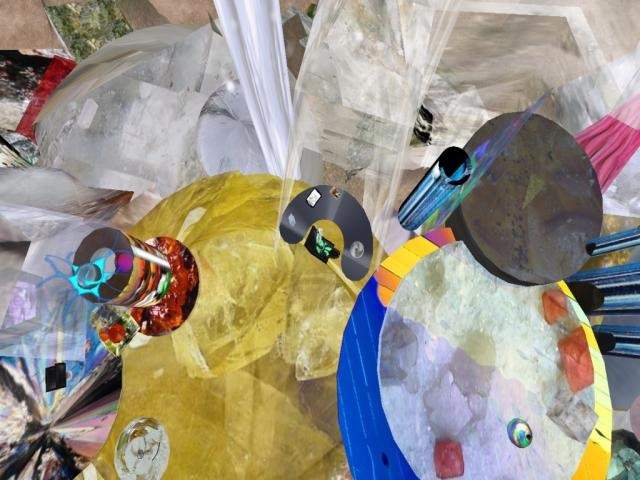
ManorMeta is a trans-metaverse discovery zone, a hybrid experience for all ages where science and technology meet wonder, mystery and infinite secrets. From concerts and events to making your own Meta movie with us, explore the future of interactive and participatory media in a matrix of our own making.

ManorMeta  - Evo Heyning
Artwork title
Sunchronicity
Artist name
Dinaz Kardooni
Artwork Description:
Sunchronicity 1.0
Dinaz, aka "Supa Skank", is a performer and New Media Artist from the Bay Area. #Sunchronicity is a series of music and video remixing and sequencing based on DNA, Genetic-Geomantic arts, Binary Code, and Digital Philosophy. Using Ableton Live and her own Max 4 Live Device, "D'cypHer". Keep it locked for 2.0 and beyond, as well as a free Max 4 Live Pack download!
Artwork title
(RE)CREATORS -REGENERATIVE FRAMEWORKS I
Artist name
Tara Baswani
Artwork Description:
Re-Creators
A cornerstone of the (RE)CREATORS series,  Regenerative Frameworks I is a mediated world, re imagining a flourishing Earth with aligned natural and built ecosystems of care for all living systems.

An homage to Buckminster Fullers' World Game, this simulated experience re-envisions the Dymaxion Map as an interconnected global landscape of environmental renewal.

Nature sourced, neural nourishing soundscapes and visual gradients frame the Evolving Manifesto of Regenerative Frameworks to Create your Purpose. This strategic culture design framework cultivates purposeful living principles and practices for re creating essential cycles of planetary wellness and regeneration.

Biomorphic animations reveal interconnected pathways of botanical blooms, trees, birds and pollinators. Sparking restorative calibrations for minds and matter to meet, they envision sanctuaries for enhancing biodiversity in urban futures and recreational spaces. Geodesic patterns in nature inform biomimicry builds for future eco spatial designs.

This installation is the invisible heart of the Dymaxion House, located in the (RE)CREATORS -Regenerative Frameworks I Topia World in the REGEN:ERA city.

Created, designed and produced by LembasWorks, feat. the (RE)creators Collective.
Incubated by the Design Science Studio, Buckminster Fuller Institute.
Artwork title
(RE)CREATORS -REGENERATIVE FRAMEWORKS I
Artist name
Tara Baswani
Artwork Description:
Re-creators
A cornerstone of the (RE)CREATORS series,  Regenerative Frameworks I is a mediated world, re imagining a flourishing Earth with aligned natural and built ecosystems of care for all living systems.

An homage to Buckminster Fullers' World Game, this simulated experience re-envisions the Dymaxion Map as an interconnected global landscape of environmental renewal.

Nature sourced, neural nourishing soundscapes and visual gradients frame the Evolving Manifesto of Regenerative Frameworks to Create your Purpose. This strategic culture design framework cultivates purposeful living principles and practices for re creating essential cycles of planetary wellness and regeneration.

Biomorphic animations reveal interconnected pathways of botanical blooms, trees, birds and pollinators. Sparking restorative calibrations for minds and matter to meet, they envision sanctuaries for enhancing biodiversity in urban futures and recreational spaces. Geodesic patterns in nature inform biomimicry builds for future eco spatial designs.

This installation is the invisible heart of the Dymaxion House, located in the (RE)CREATORS -Regenerative Frameworks I Topia World in the REGEN:ERA city.

Created, designed and produced by LembasWorks, feat. the (RE)creators Collective.
Incubated by the Design Science Studio, Buckminster Fuller Institute.
Artwork title
Black Lives Matter Fist
Artist name
Colin Vale
Artwork Description:
Post Office
A utopia for some is no utopia at all.
Artwork title
Ponopono
Artist name
Matthias Pedro Coscoñas
Artwork Description:
Ponopono
Matthias Pedro Coscoñas

What wisdom does humanity need to master this game we call life?How can the model of a cooperative and its member companies serve as a template for a new economic system and corporate culture?
Artwork title
Ponopono
Artist name
Matthias Pedro Coscoñas
Artwork Description:
Ponopono
Matthias Pedro Coscoñas

What wisdom does humanity need to master this game we call life?How can the model of a cooperative and its member companies serve as a template for a new economic system and corporate culture?
Artwork title
Ponopono
Artist name
Matthias Pedro Coscoñas
Artwork Description:
Ponopono
Matthias Pedro Coscoñas

What wisdom does humanity need to master this game we call life?How can the model of a cooperative and its member companies serve as a template for a new economic system and corporate culture?
Artwork title
Ponopono Logo
Artwork Description:
Ponopono is a Multiverse, a cooperative and a guide for navigating the New Earth that is currently being established (in form of a seal of approval for companies and products).

https://tinyurl.com/ProjectPonopono this link leads to the PDF describing the whole vision
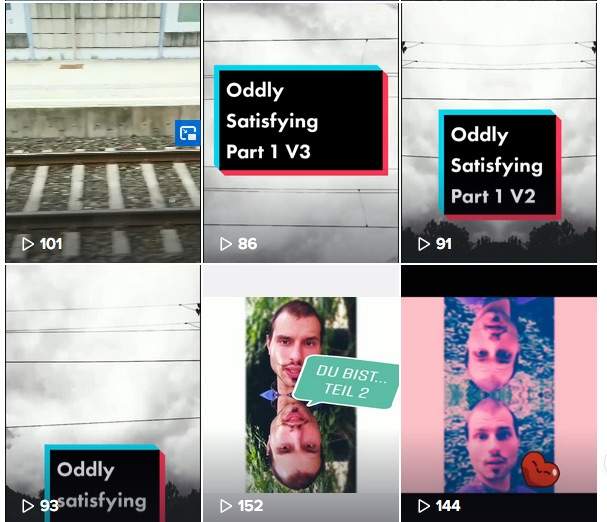
https://tinyurl.com/Onionrose77 This link leads to the Tiktok account, onto which I upload educational videos

Artwork title
COHADO at regen•era RISING
Artist name
Paulo Harris
Artwork Description:
Cohado
Cohado is both a principle and a platform embodying the Zulu assumption, UBUNTU, that we are responsible for each other's well being. In essence this is founded on the understand of Earth as a singular being, and that we are components of this entity like cells in a body, not individuals disconnected from each other or the Earth herself. Cohado is a simplified operating system - a cultural ruleset that underlies functioning as a regenerative and sustainable ecosystem. In contract to the current pervasive operating system that parallels the old game of dominoes in which you play against others and win relative to their losing, Cohado invites us to play as co-ponents, working collaboratively to create as many assets for the collective whole as is possible, and to eliminate waste through ensuring that nothing, or no one is left hanging.

The Cohadic works offered within regen•era RISING, explore two critical elements of the future city, or world, being called into being through this powerful and compelling event series. The first is Truth. Although, as Bucky states, "You never change things by fighting the existing reality". As we are reminded by "Sankofa", the Akan tribe's mythic bird that is looking backward as it moves forward, any real transformation must also be anchored in the truth of the history that brought us to this moment. ABOVE ZERO with Paulo Gregory is a live webcast series that is committed to bringing the critical truth of where we are as a people, through radically diverse perspectives of artists, activists, authors, and alchemists of our future aimed at ushering in a world that works for ALL. The Cohado Virtual Experience is Paulo Gregory's Design Science Studio project, a prototype of the interactive multi-player version of the Cohado platform he developed over the last decade. This version was created as a direct response to the challenge and opportunity opened through the pandemic that forced the world into physical isolation. Cohado offers a critical path forward to provide an "embodied experience" of what this world that works for all feels like as we design forward.
Artwork title
H.O.M.E. ⇄ House of Magical Experiences: Hyperion
Artist name
Michael Robinson
Artwork Description:
Michael Robinson NYC
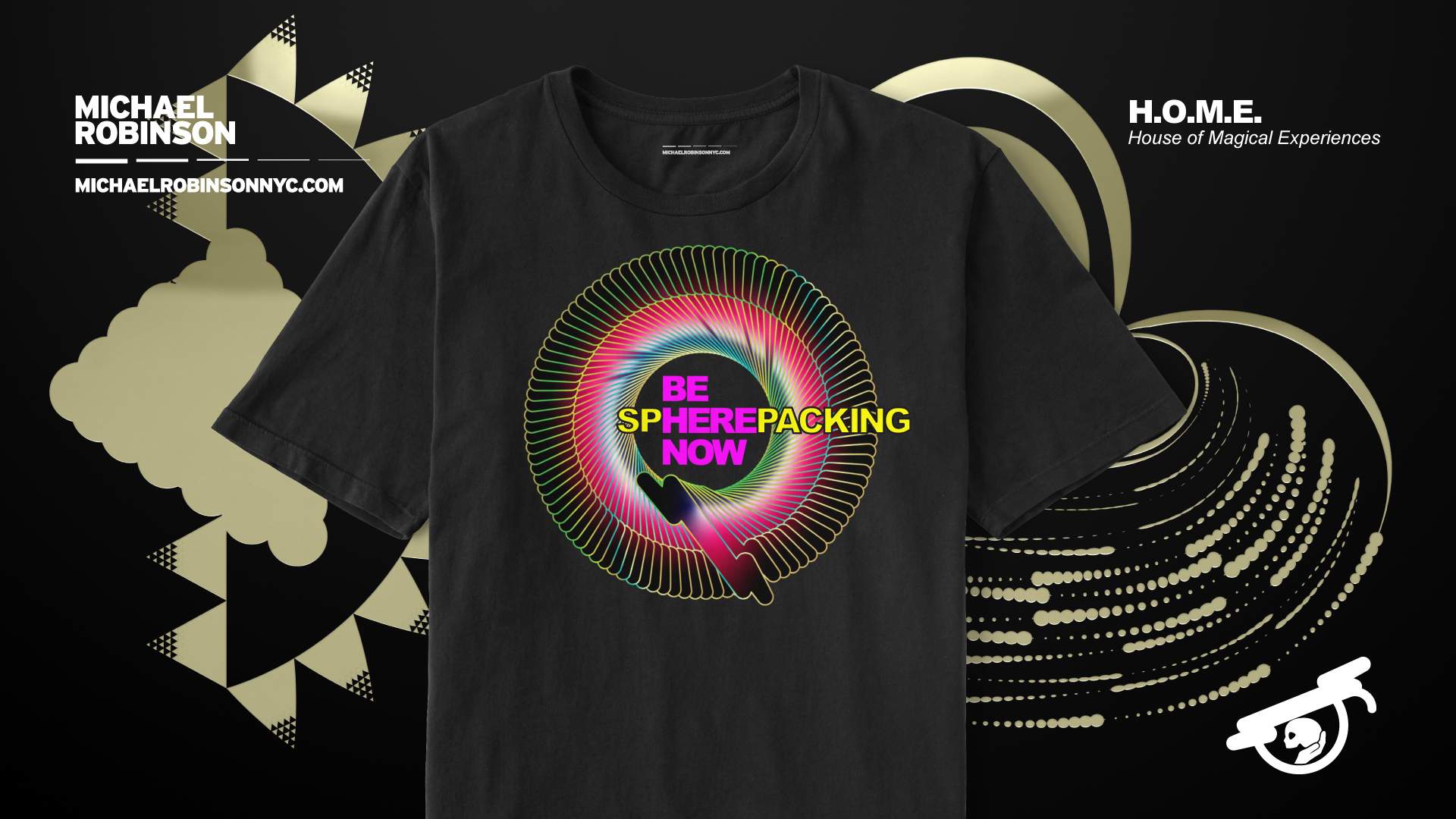
Michael Robinson welcomes you to preview his H.O.M.E (House of Magical Experiences) capsule collection featuring geodesic domes, outdoor gear, clothing, and collectible artworks. Buckminster Fuller's ideas were remixed with the next generation of cultural producers in mind. The collection stylishly embraces preparedness and portability for their sustainable nomadic lifestyles. Each piece was specially made to blend harmoniously into nature or stand out in urban and suburban environments. In honor of the Design Science Studio launch, some of the pieces will be available for purchase online via www.michaelrobinsonnyc.com.
Artwork title
Branching Dome
Artwork Description:
Branching Dome
A dome built with a branching algorithm. From one central point, roots radiate and grow until the surface is covered.
Artwork title
H.O.M.E. ⇄ House of Magical Experiences
Artist name
Michael Robinson
Artwork Description:
Michael Robinson NYC
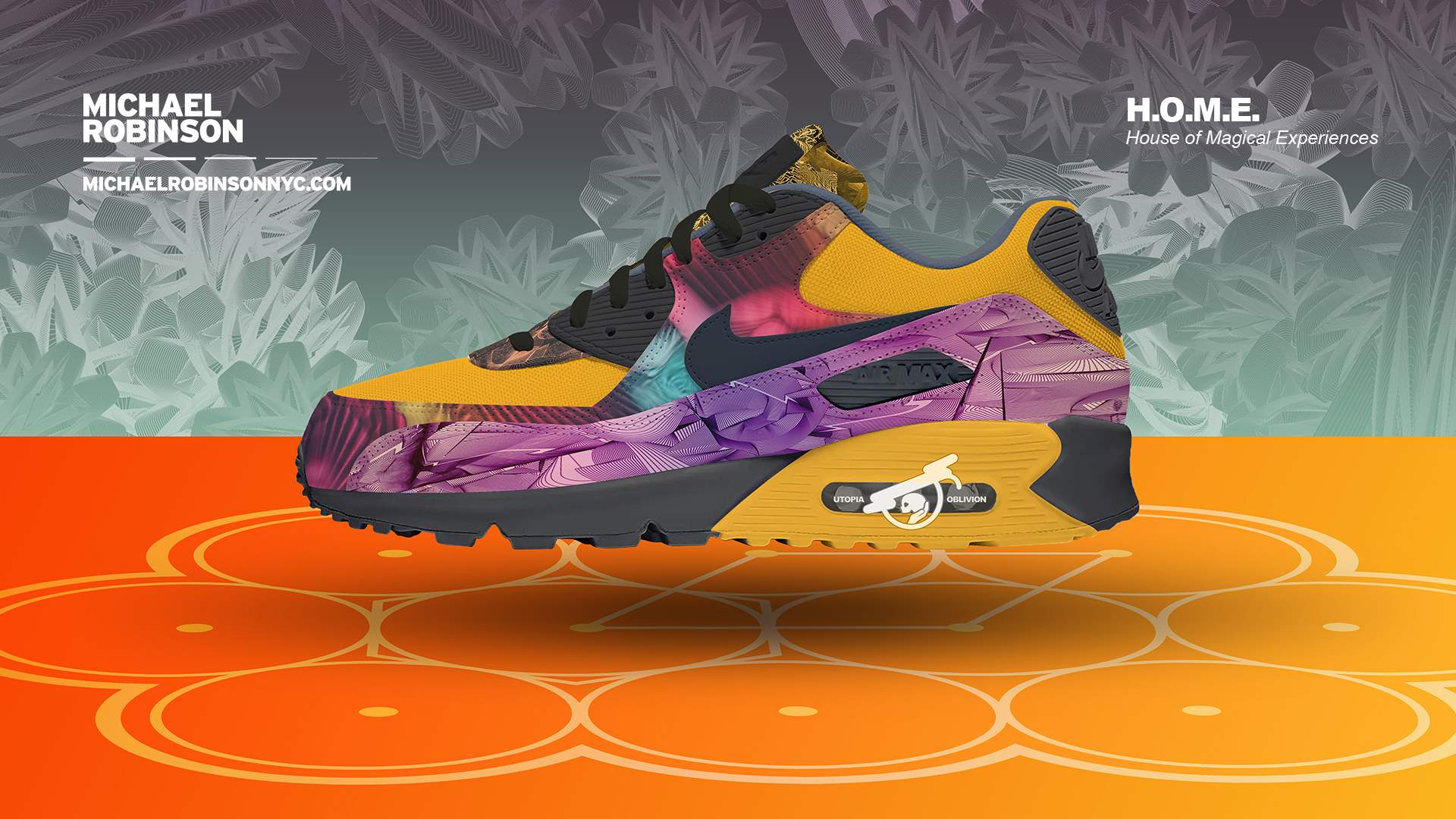
Michael Robinson welcomes you to preview his H.O.M.E (House of Magical Experiences) capsule collection featuring geodesic domes, outdoor gear, clothing, and collectible artworks. Buckminster Fuller's ideas were remixed with the next generation of cultural producers in mind. The collection stylishly embraces preparedness and portability for their sustainable nomadic lifestyles. Each piece was specially made to blend harmoniously into nature or stand out in urban and suburban environments. In honor of the Design Science Studio launch, some of the pieces will be available for purchase online via www.michaelrobinsonnyc.com.
Artwork title
H.O.M.E. ⇄ House of Magical Experiences
Artist name
Michael Robinson
Artwork Description:
Michael Robinson NYC
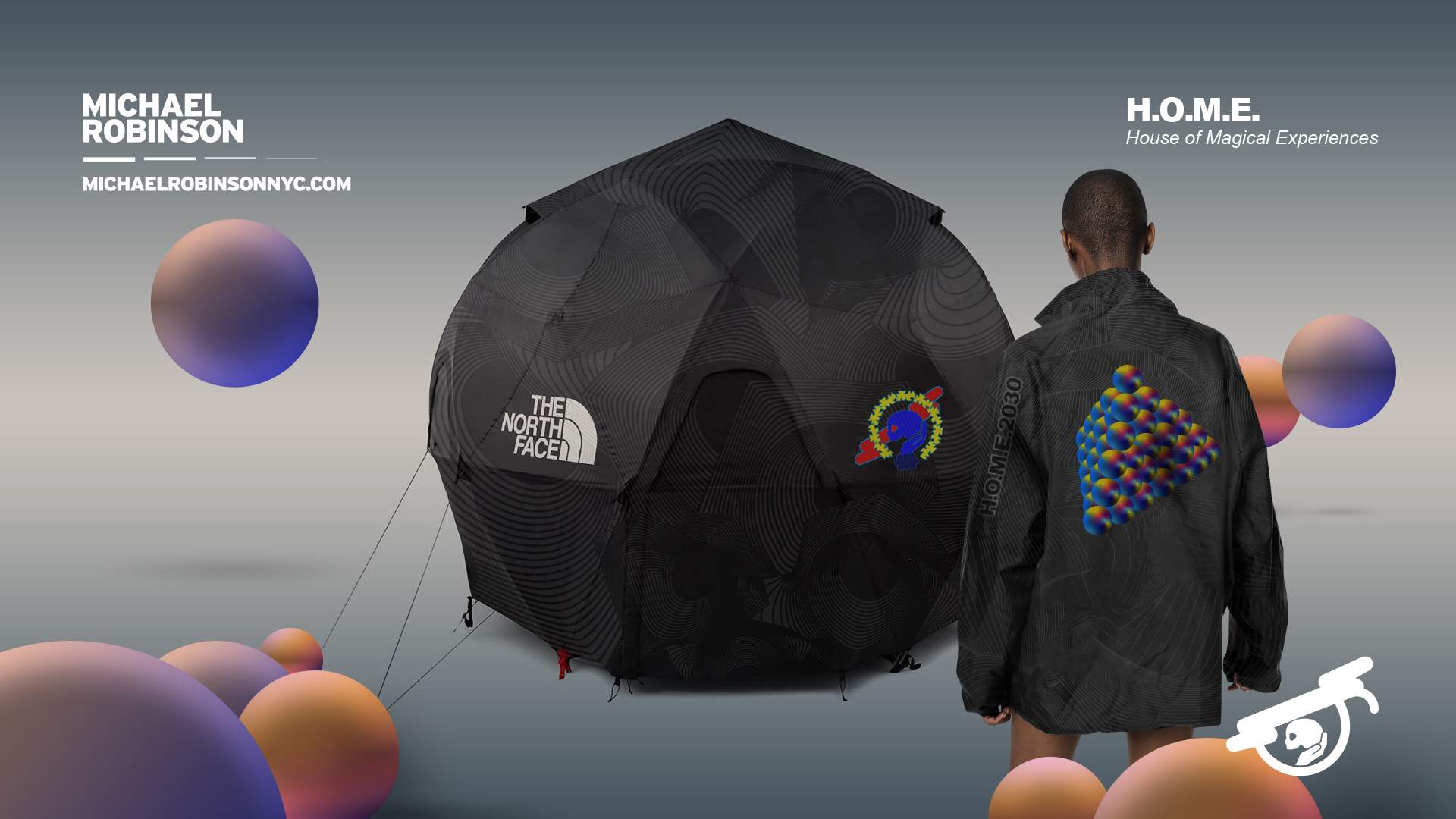
Michael Robinson welcomes you to preview his H.O.M.E (House of Magical Experiences) capsule collection featuring geodesic domes, outdoor gear, clothing, and collectible artworks. Buckminster Fuller's ideas were remixed with the next generation of cultural producers in mind. The collection stylishly embraces preparedness and portability for their sustainable nomadic lifestyles. Each piece was specially made to blend harmoniously into nature or stand out in urban and suburban environments. In honor of the Design Science Studio launch, some of the pieces will be available for purchase online via www.michaelrobinsonnyc.com.
Artwork title
H.O.M.E. ⇄ House of Magical Experiences
Artist name
Michael Robinson
Artwork Description:
Michael Robinson NYC
Michael Robinson welcomes you to preview his H.O.M.E (House of Magical Experiences) capsule collection featuring geodesic domes, outdoor gear, clothing, and collectible artworks. Buckminster Fuller's ideas were remixed with the next generation of cultural producers in mind. The collection stylishly embraces preparedness and portability for their sustainable nomadic lifestyles. Each piece was specially made to blend harmoniously into nature or stand out in urban and suburban environments. In honor of the Design Science Studio launch, some of the pieces will be available for purchase online via www.michaelrobinsonnyc.com.
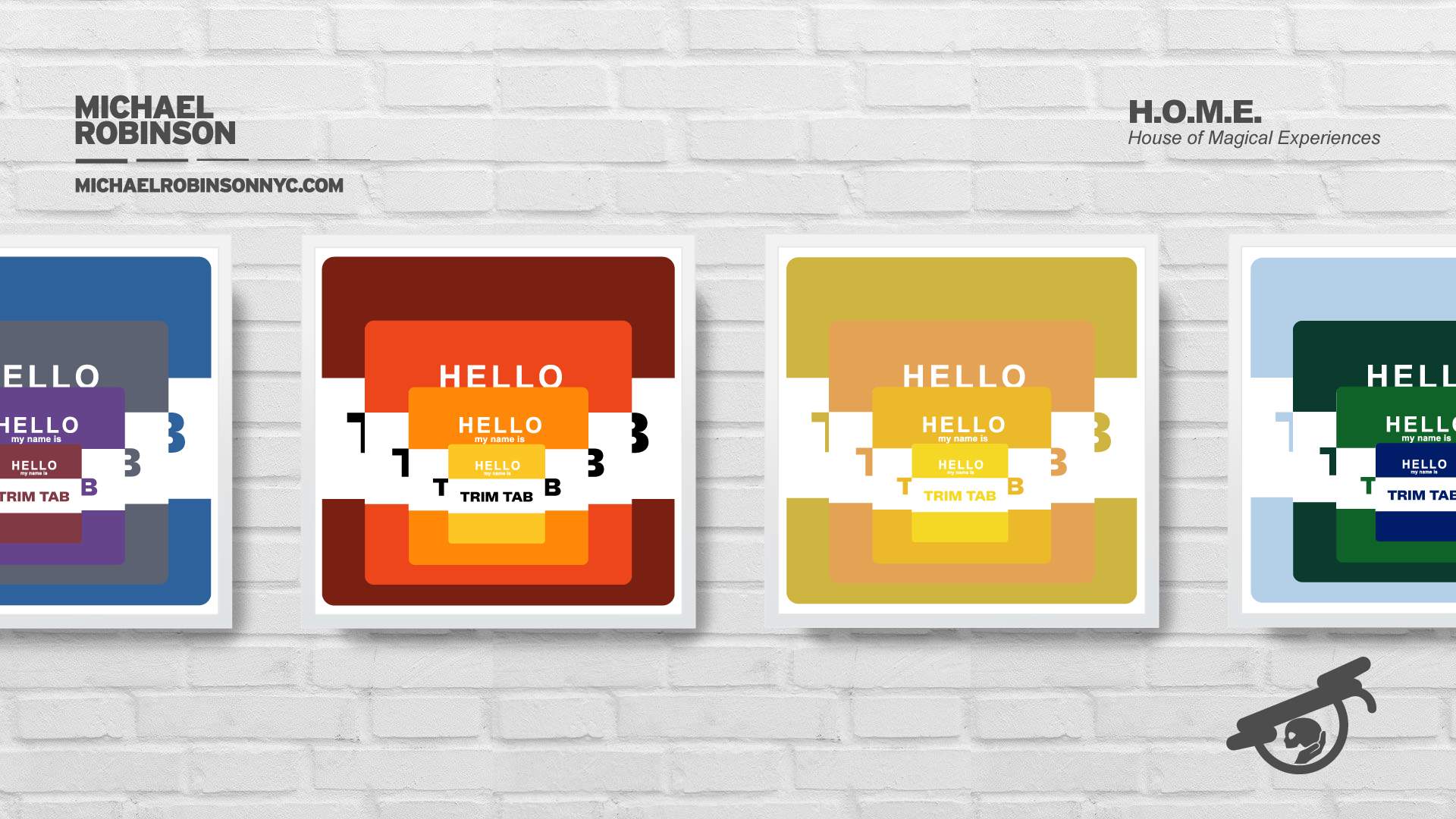
Artwork title
H.O.M.E. ⇄ House of Magical Experiences
Artist name
Michael Robinson
Artwork Description:
Michael Robinson NYC
Michael Robinson welcomes you to preview his H.O.M.E (House of Magical Experiences) capsule collection featuring geodesic domes, outdoor gear, clothing, and collectible artworks. Buckminster Fuller's ideas were remixed with the next generation of cultural producers in mind. The collection stylishly embraces preparedness and portability for their sustainable nomadic lifestyles. Each piece was specially made to blend harmoniously into nature or stand out in urban and suburban environments. In honor of the Design Science Studio launch, some of the pieces will be available for purchase online via www.michaelrobinsonnyc.com.
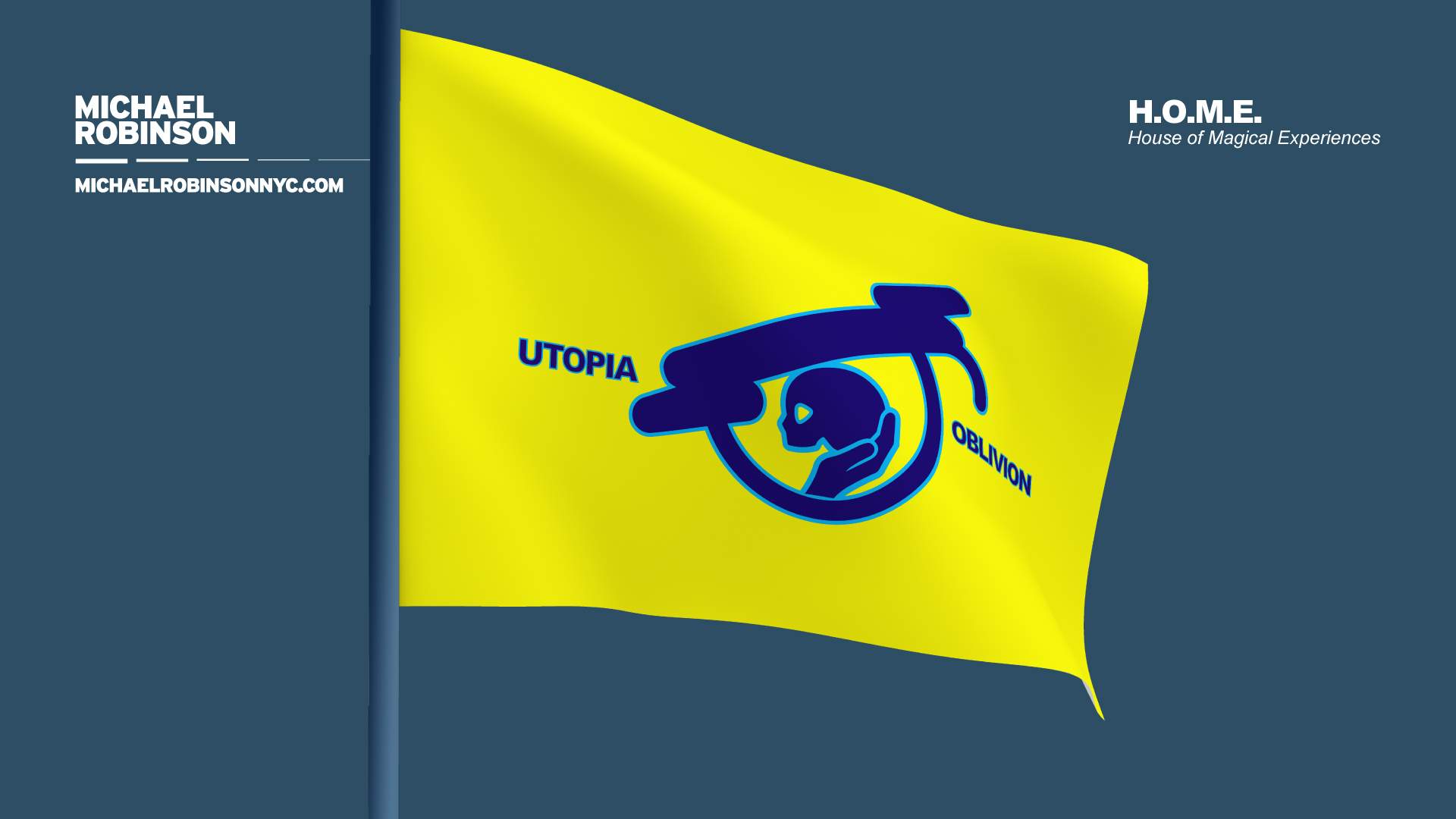
Artwork title
DSS Interview Series
Artist name
Julian Guderley
Artwork Description:
Design Science Studio Interview Series. Watch the full length Interviews with several DSS artists here: https://www.greenplanet-blueplanet.com/designsciencestudio
-uPmMzSbc.png)
Artwork title
Lift
Artist name
Peter Lokken
Artwork Description:
Lift
A single cord unwinds over, and defines a space.
Artwork title
DSS Interview Series
Artist name
Julian Guderley
Artwork Description:
Design Science Studio Interview Series. Watch the full length Interviews with several DSS artists here: https://www.greenplanet-blueplanet.com/designsciencestudio
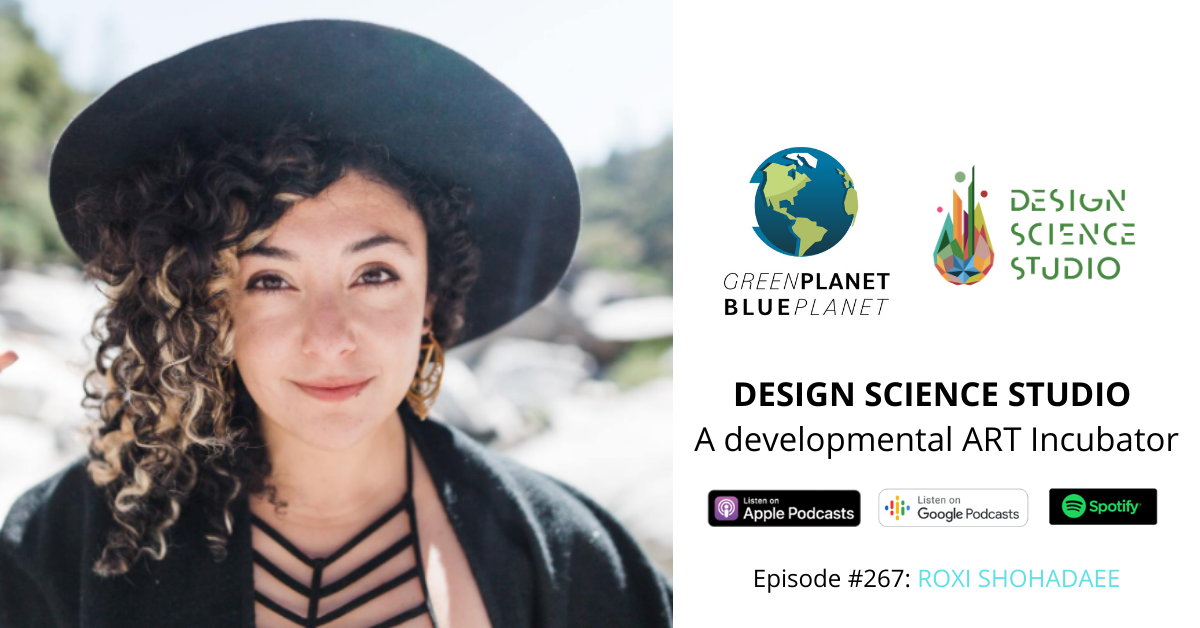
Artwork title
Pagoda
Artist name
Peter Lokken
Artwork Description:
Pagoda
Wave simulation on stilts. Collects water at troughs.
Artwork title
Tri-Bridge
Artist name
Peter Lokken
Artwork Description:
Tri-bridge
Procedural bridge made from spinning triangular frames at regular period but irregular scaling and direction.
Artwork title
Tri-Bridge
Artist name
Peter Lokken
Artwork Description:
Tri-bridge
Procedural bridge made from spinning triangular frames at regular period but irregular scaling and direction.
Artwork title
The Vision Train
Artist name
Amanda Sage
Artwork Description:
3D Sculpture by VT Conductor Jeffrey Plettinck

The Vision Train is an experimental online community for and by creatives interested in exploring, refining and developing a dialog of vision to fuel the Regenaissance.

Initiated by DSS studio member Amanda Sage, the Non-Stop Vision Train Global Art Jam left the station on Zoom as a 24/7 virtual collaborative art studio on March 24th, 2020. Over 1000 artists and participants have been on the Train since its inception and is kept on the tracks by a core crew of Engineers, Conductors and Riders fueled by a passion for creative expression and collaboration.

Join us as we celebrate our 1yr anniversary with the virtual exhibition, ‘TRANSITION : Art for the Regenaissance’ along with a week of special events, workshops, interviews, live art, music and parties!

Visit the ‘TRANSITION’ Exhibition & Schedule of Events: https://www.visiontrain.org/

Board the Vision Train (it runs nonstop and all are welcome!): https://zoom.us/meeting/register/tJUsd--rpjopEtb8rWCvGrn5fShIpae2OrNG

Instagram: https://www.instagram.com/visiontrain/

Facebook Page: https://www.facebook.com/visiontrainstation

Youtube: https://www.youtube.com/channel/UCRA_QbuggzA4dbPrQVM04-A
Artwork title
MICROMEGAS - Virtual Demo
Artist name
Serena Treppiedi
Artwork Description:
Explore MICROMEGAS
This installiation is a virtual, minimal Demo of a phisical, audio-video Immersive experience, a journey to enrich the impact of scientific demonstration/visualizations in the artistic process and in the collective awareness. With a dramaturgy based on the original text by Voltaire, Micromégas aims to show the complexity of the world(s) through visualization of physical and metaphysical phenomena, at different "scales of reality", exploring what we can sense outside and inside us and how everything, at every level, is connected.
Artwork title
"Love Again" by Formerly Alien
Artist name
Amy Merill
Artwork Description:
"Love Again" by Foremerly Alien
The year is 2070. Earth has unfortunately been destroyed, and Formerly Alien is the house band on a ship parked at the edge of the galaxy. Through the ship's simulations and the song lab, we can learn about our past and open our hearts to new possibilities, allowing us to design and discover our future home.
Artwork title
The Vision Train
Artist name
Amanda Sage
Artwork Description:
3D Sculpture by VT Conductor Jeffrey Plettinck

The Vision Train is an experimental online community for and by creatives interested in exploring, refining and developing a dialog of vision to fuel the Regenaissance.

Initiated by DSS studio member Amanda Sage, the Non-Stop Vision Train Global Art Jam left the station on Zoom as a 24/7 virtual collaborative art studio on March 24th, 2020. Over 1000 artists and participants have been on the Train since its inception and is kept on the tracks by a core crew of Engineers, Conductors and Riders fueled by a passion for creative expression and collaboration.

Join us as we celebrate our 1yr anniversary with the virtual exhibition, ‘TRANSITION : Art for the Regenaissance’ along with a week of special events, workshops, interviews, live art, music and parties!

Visit the ‘TRANSITION’ Exhibition & Schedule of Events: https://www.visiontrain.org/

Board the Vision Train (it runs nonstop and all are welcome!): https://zoom.us/meeting/register/tJUsd--rpjopEtb8rWCvGrn5fShIpae2OrNG

Instagram: https://www.instagram.com/visiontrain/

Facebook Page: https://www.facebook.com/visiontrainstation

Youtube: https://www.youtube.com/channel/UCRA_QbuggzA4dbPrQVM04-A
Artwork title
The Vision Train
Artist name
Amanda Sage
Artwork Description:
3D Sculpture by VT Conductor Jeffrey Plettinck

The Vision Train is an experimental online community for and by creatives interested in exploring, refining and developing a dialog of vision to fuel the Regenaissance.

Initiated by DSS studio member Amanda Sage, the Non-Stop Vision Train Global Art Jam left the station on Zoom as a 24/7 virtual collaborative art studio on March 24th, 2020. Over 1000 artists and participants have been on the Train since its inception and is kept on the tracks by a core crew of Engineers, Conductors and Riders fueled by a passion for creative expression and collaboration.

Join us as we celebrate our 1yr anniversary with the virtual exhibition, ‘TRANSITION : Art for the Regenaissance’ along with a week of special events, workshops, interviews, live art, music and parties!

Visit the ‘TRANSITION’ Exhibition & Schedule of Events: https://www.visiontrain.org/

Board the Vision Train (it runs nonstop and all are welcome!): https://zoom.us/meeting/register/tJUsd--rpjopEtb8rWCvGrn5fShIpae2OrNG

Instagram: https://www.instagram.com/visiontrain/

Facebook Page: https://www.facebook.com/visiontrainstation

Youtube: https://www.youtube.com/channel/UCRA_QbuggzA4dbPrQVM04-A
Artwork title
We can't build the radical future for 100% of life using the racist and colonial patterns of the present!
Artist name
Ben Bogart
Artwork Description:
This body of work consists of three series of posters that center on three themes: 1. universalization, 2. the intersection of toxic positivity and spirituality, and 3. a systems view of cultural appropriation. Universalization is the grouping of everyone together such that differences, in particular in oppression and power, are made invisible; for example, “all lives matter” responds to the Black Lives Matter movement by universalizing the value of lives to obscure the reality that Black lives are not valued the same as white lives in social systems. “100 Percent” is a series of posters consisting of upper case texts on brightly colored backgrounds that make strong assertions that reject some of the universalizing statements that have been used during the Design Science Studio. At the intersection of toxic positivity and spirituality, motivational messages implicitly center a privileged point of view and elevate positive intention and mind-set as central to success, e.g. “Good vibes only”. “This Work May Trigger White Fragility!” is a parody of the motivational poster that subverts their visual style, and some of their vocabulary, using anti-racist messages. A systems view of cultural appropriation involves going beyond the ‘right’ or ‘wrong’ binary to a nuanced view where the harmfulness of appropriation depends on the relations around the appropriated object. “Constellations of Appropriation” are two large scale posters that use the aesthetic of star constellations as a metaphor to organize systems-based depictions of various acts of cultural appropriation and appreciation.
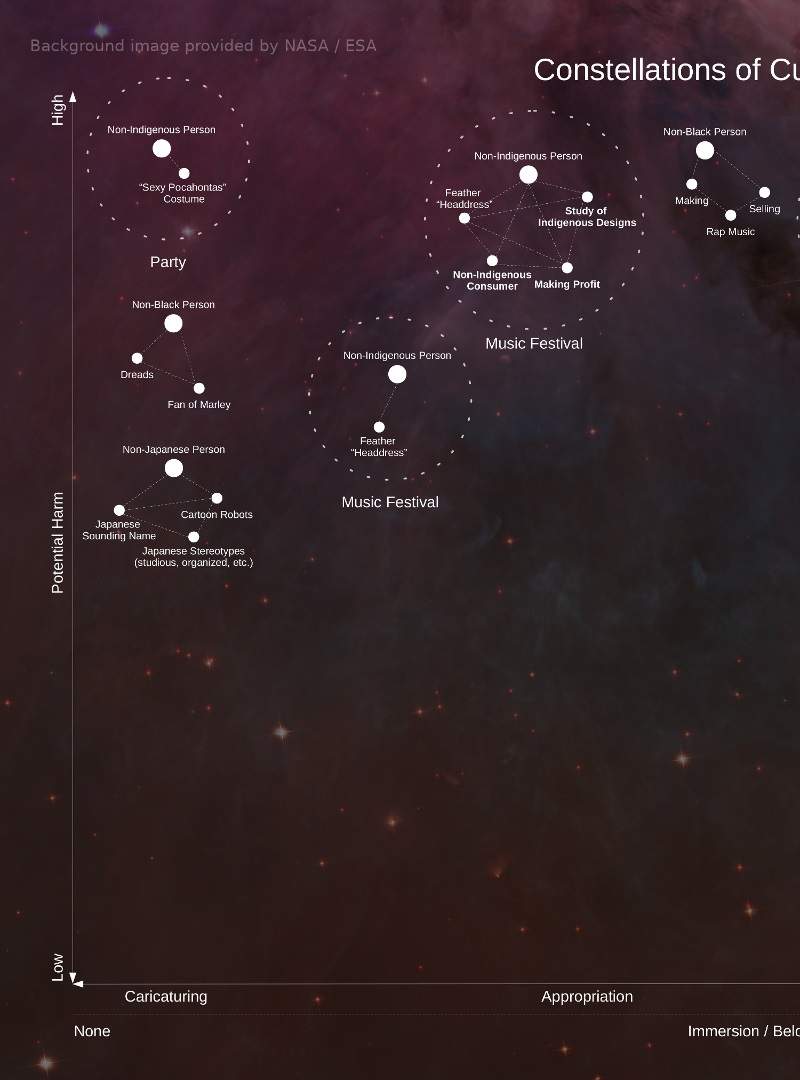
Artwork title
We can't build the radical future for 100% of life using the racist and colonial patterns of the present!
Artist name
Ben Bogart
Artwork Description:
This body of work consists of three series of posters that center on three themes: 1. universalization, 2. the intersection of toxic positivity and spirituality, and 3. a systems view of cultural appropriation. Universalization is the grouping of everyone together such that differences, in particular in oppression and power, are made invisible; for example, “all lives matter” responds to the Black Lives Matter movement by universalizing the value of lives to obscure the reality that Black lives are not valued the same as white lives in social systems. “100 Percent” is a series of posters consisting of upper case texts on brightly colored backgrounds that make strong assertions that reject some of the universalizing statements that have been used during the Design Science Studio. At the intersection of toxic positivity and spirituality, motivational messages implicitly center a privileged point of view and elevate positive intention and mind-set as central to success, e.g. “Good vibes only”. “This Work May Trigger White Fragility!” is a parody of the motivational poster that subverts their visual style, and some of their vocabulary, using anti-racist messages. A systems view of cultural appropriation involves going beyond the ‘right’ or ‘wrong’ binary to a nuanced view where the harmfulness of appropriation depends on the relations around the appropriated object. “Constellations of Appropriation” are two large scale posters that use the aesthetic of star constellations as a metaphor to organize systems-based depictions of various acts of cultural appropriation and appreciation.
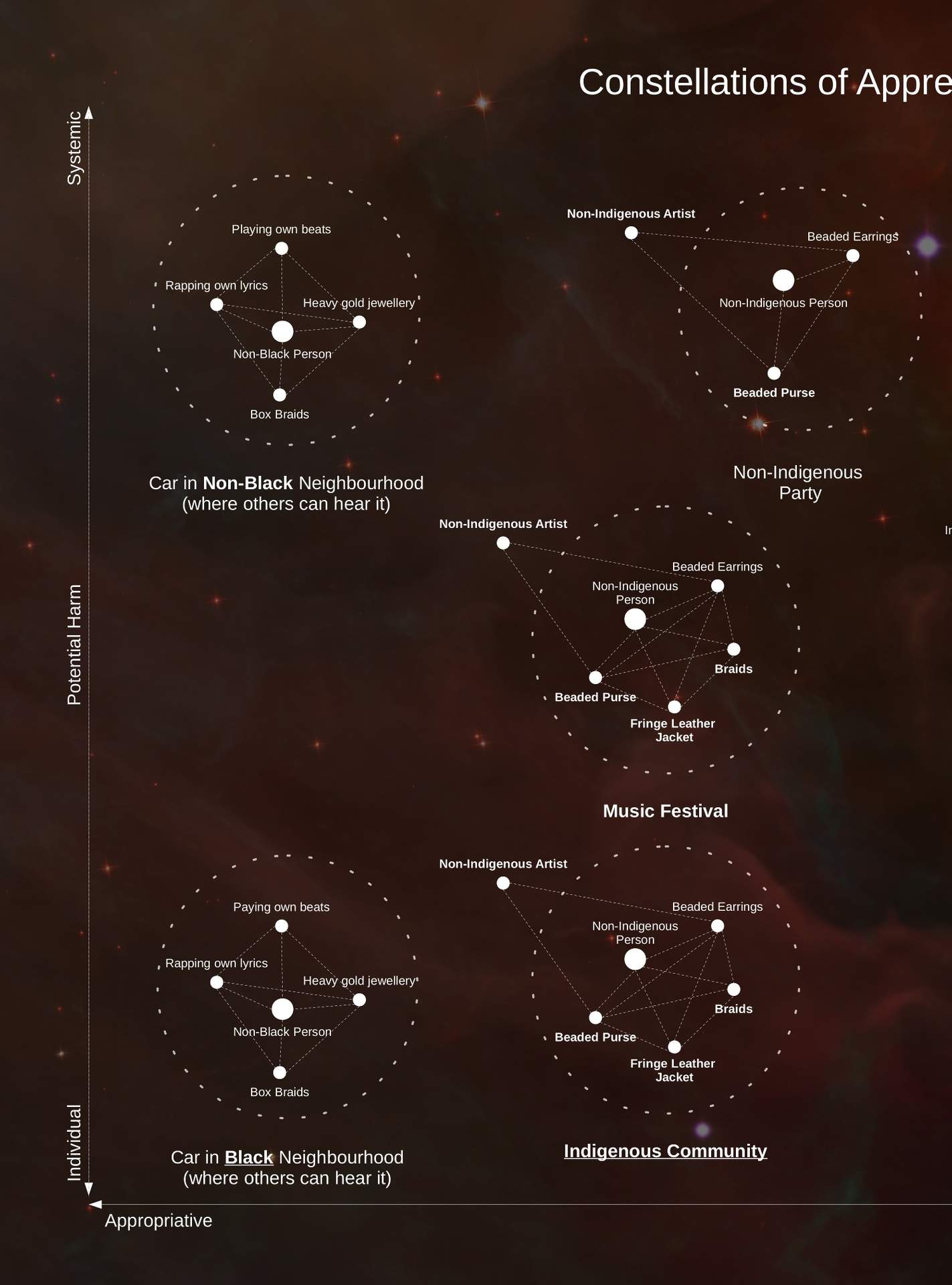
Artwork title
Dataverse Holodeck
Artist name
Laura Anne Edwards
Artwork Description:
lmagine if you could see, hear, feel and move around in big data, in real time... by stepping in to it.
Experiential is the new frontier in scientific insights, one that will use ALL of our human sensory perception, married with math and Al to yield new 11
Ah-ha1s11I and offer completely novel ways to collaborate.
I am building a platform that can run immersive data experiences, with the ability to build complexity, run scenarios and (we hope) spot issues in both
data and algorithms.
The intention is to tunnel a data pipeline into severa! formats,
or frameworks creating aesthetic and interactive experiences
to support complex problem solving, or more precisely,
interventions in global systems.
The core focus is on two formats*:
Mixed reality and 3D CAD modeling by Peter Lokken
No preview available for FBX file.
Artwork title
(RE)CREATORS -REGENERATIVE FRAMEWORKS I
Artist name
Tara Baswani
Artwork Description:
Re-creators
A cornerstone of the (RE)CREATORS series,  Regenerative Frameworks I is a mediated world, re imagining a flourishing Earth with aligned natural and built ecosystems of care for all living systems.

An homage to Buckminster Fullers' World Game, this simulated experience re-envisions the Dymaxion Map as an interconnected global landscape of environmental renewal.

Nature sourced, neural nourishing soundscapes and visual gradients frame the Evolving Manifesto of Regenerative Frameworks to Create your Purpose. This strategic culture design framework cultivates purposeful living principles and practices for re creating essential cycles of planetary wellness and regeneration.

Biomorphic animations reveal interconnected pathways of botanical blooms, trees, birds and pollinators. Sparking restorative calibrations for minds and matter to meet, they envision sanctuaries for enhancing biodiversity in urban futures and recreational spaces. Geodesic patterns in nature inform biomimicry builds for future eco spatial designs.

This installation is the invisible heart of the Dymaxion House, located in the (RE)CREATORS -Regenerative Frameworks I Topia World in the REGEN:ERA city.

Created, designed and produced by LembasWorks, feat. the (RE)creators Collective.
Incubated by the Design Science Studio, Buckminster Fuller Institute.
Artwork title
(RE)CREATORS -REGENERATIVE FRAMEWORKS I
Artist name
Tara Baswani
Artwork Description:
Re-creators
A cornerstone of the (RE)CREATORS series,  Regenerative Frameworks I is a mediated world, re imagining a flourishing Earth with aligned natural and built ecosystems of care for all living systems.

An homage to Buckminster Fullers' World Game, this simulated experience re-envisions the Dymaxion Map as an interconnected global landscape of environmental renewal.

Nature sourced, neural nourishing soundscapes and visual gradients frame the Evolving Manifesto of Regenerative Frameworks to Create your Purpose. This strategic culture design framework cultivates purposeful living principles and practices for re creating essential cycles of planetary wellness and regeneration.

Biomorphic animations reveal interconnected pathways of botanical blooms, trees, birds and pollinators. Sparking restorative calibrations for minds and matter to meet, they envision sanctuaries for enhancing biodiversity in urban futures and recreational spaces. Geodesic patterns in nature inform biomimicry builds for future eco spatial designs.

This installation is the invisible heart of the Dymaxion House, located in the (RE)CREATORS -Regenerative Frameworks I Topia World in the REGEN:ERA city.

Created, designed and produced by LembasWorks, feat. the (RE)creators Collective.
Incubated by the Design Science Studio, Buckminster Fuller Institute.
Artwork title
MICROMEGAS - Admirable Things Book
Artist name
Serena Treppiedi
Artwork Description:
MICROMEGAS - Admirable Things Book
A Gift from Micromégas
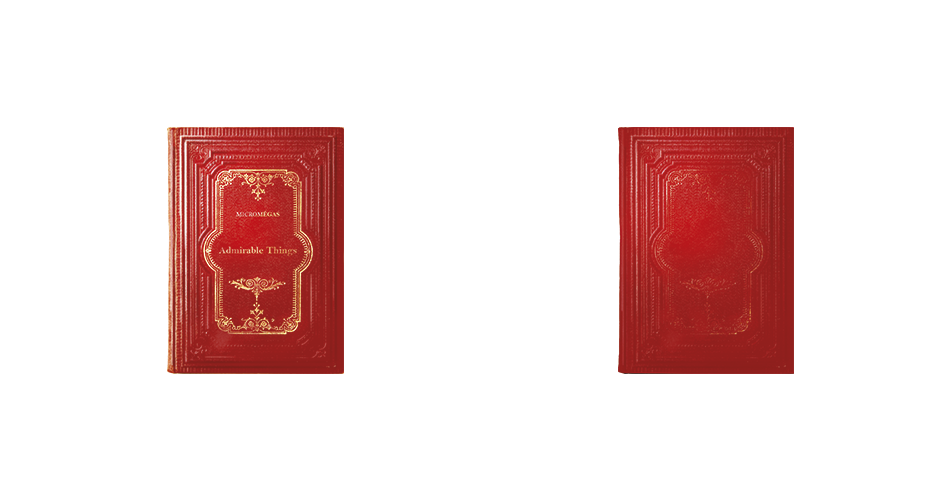
Artwork title
CiDY
Artist name
Elias Cattan
Artwork Description:
CiDY Earth
CiDY
CiDY is a Tactical Urbanism and Place Enhancement Tool, that helps you develop a deeper understanding of place, while helping you develop your ideas and knitting a tribe/group that will help you turn it into reality.
The user/gamer will be able to interact with its physical environment as a blank sheet where improvements and acknowledgments can be discussed in a multilateral collaborative ambience.
Artwork title
Wave Dome
Artist name
Peter Lokken
Artwork Description:
Wave Dome
Irregularly shaped mesh structure. 3D scanned from a clay model
Artwork title
MORA: Cohera
Artist name
Exhibition Map
-zZRMayxZ.jpg)
Artwork title
MORA: Cohera
Artist name
Exhibition Map
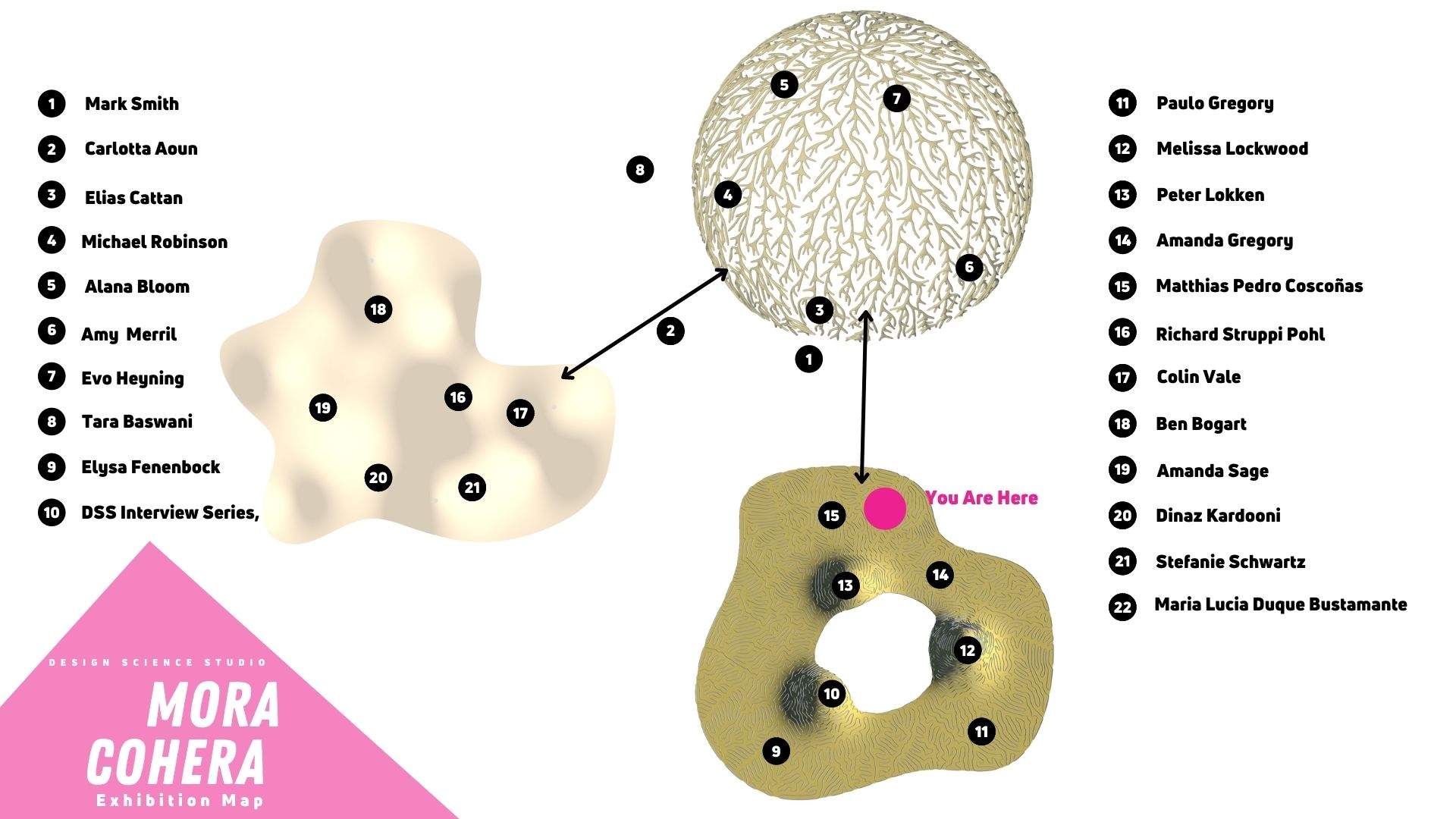
Artwork title
MORA: Cohera
Artist name
Exhibition Map
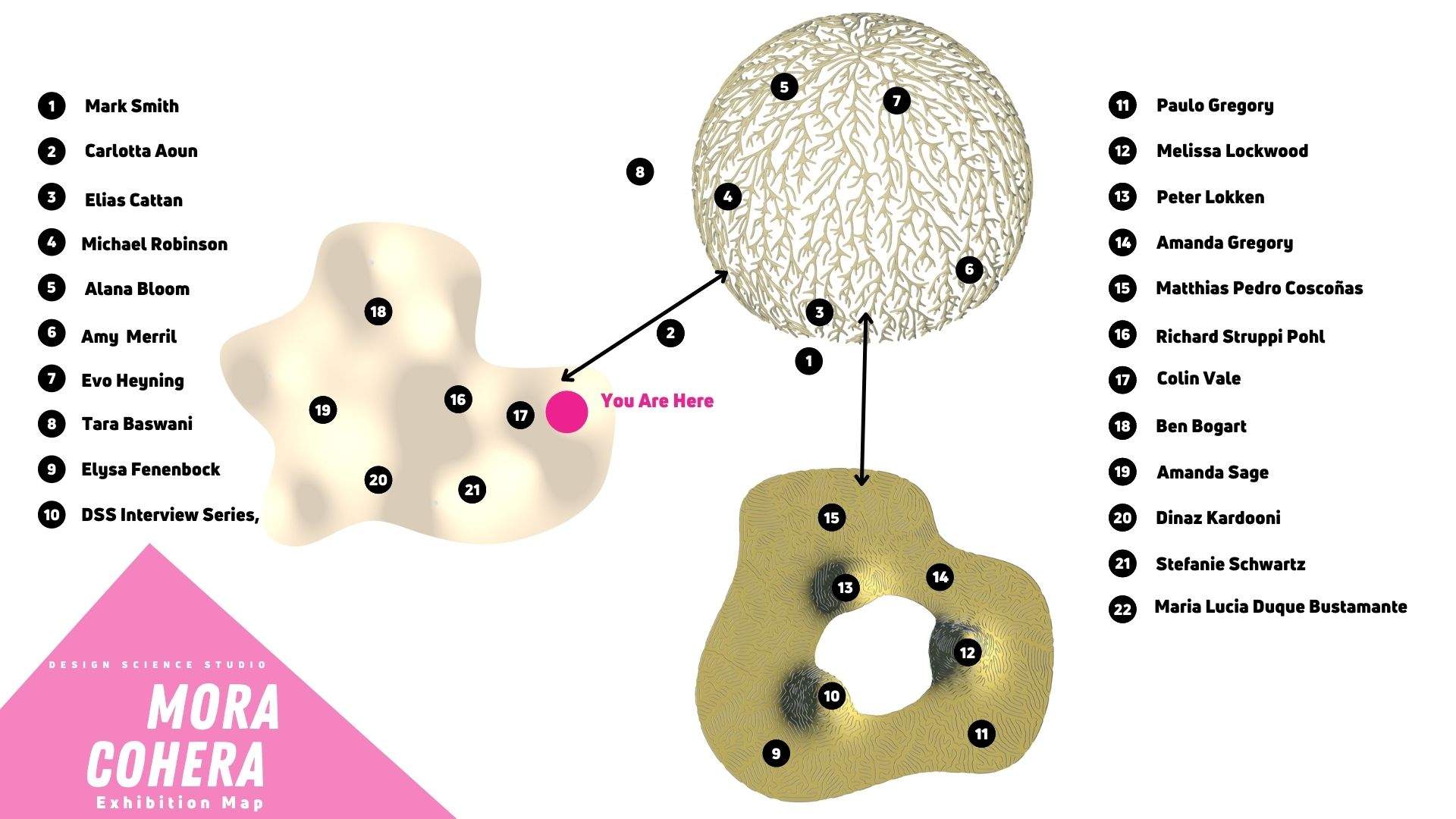
Artwork title
Symbiotic Experiment for Future Ways of Breathing : Establishing the Problem
Artist name
Carlotta Aoun
Artwork Description:
Explore Carlottas Visions
Symbiotic Experiment for Future Ways of Breathing is an experiential series that examines the relationship between breath and technology. This video-triptych explores breath through different forms : breath in isolation, breath in distance, breath as a social movement, breath as an oppressive force...

As computers and smartphones become ever more necessary to our society,  we unintentionally transform them into a necessity – or perhaps a physiological need. It is as if our own breath, trapped in a virtual dimension, expands into a confining, burdening mass. It is as if, instead of using our breath to speak, we retain it, and asphyxiate.
Artwork title
Symbiotic Experiment for Future Ways of Breathing : Establishing the Problem
Artist name
Carlotta Aoun
Artwork Description:
Explore Carlottas Visions
Symbiotic Experiment for Future Ways of Breathing is an experiential series that examines the relationship between breath and technology. This video-triptych explores breath through different forms : breath in isolation, breath in distance, breath as a social movement, breath as an oppressive force...

As computers and smartphones become ever more necessary to our society,  we unintentionally transform them into a necessity – or perhaps a physiological need. It is as if our own breath, trapped in a virtual dimension, expands into a confining, burdening mass. It is as if, instead of using our breath to speak, we retain it, and asphyxiate.
Artwork title
Symbiotic Experiment for Future Ways of Breathing
Artist name
Carlotta Aoun
Artwork Description:
Explore Carlottas Visions
Symbiotic Experiment for Future Ways of Breathing is an experiential series that examines the relationship between breath and technology. This video-triptych explores breath through different forms : breath in isolation, breath in distance, breath as a social movement, breath as an oppressive force...

As computers and smartphones become ever more necessary to our society,  we unintentionally transform them into a necessity – or perhaps a physiological need. It is as if our own breath, trapped in a virtual dimension, expands into a confining, burdening mass. It is as if, instead of using our breath to speak, we retain it, and asphyxiate.
Artwork title
Establishing the Problem
Artist name
Carlotta Aoun
Artwork Description:
Explore Carlottas Visions
Symbiotic Experiment for Future Ways of Breathing is an experiential series that examines the relationship between breath and technology. This video-triptych explores breath through different forms : breath in isolation, breath in distance, breath as a social movement, breath as an oppressive force...

As computers and smartphones become ever more necessary to our society,  we unintentionally transform them into a necessity – or perhaps a physiological need. It is as if our own breath, trapped in a virtual dimension, expands into a confining, burdening mass. It is as if, instead of using our breath to speak, we retain it, and asphyxiate.
Artwork title
Symbiotic Experiment for Future Ways of Breathing
Artist name
Carlotta Aoun
Artwork Description:
Explore Carlottas Visions
Symbiotic Experiment for Future Ways of Breathing is an experiential series that examines the relationship between breath and technology. This video-triptych explores breath through different forms : breath in isolation, breath in distance, breath as a social movement, breath as an oppressive force...

As computers and smartphones become ever more necessary to our society,  we unintentionally transform them into a necessity – or perhaps a physiological need. It is as if our own breath, trapped in a virtual dimension, expands into a confining, burdening mass. It is as if, instead of using our breath to speak, we retain it, and asphyxiate.
Artwork title
Symbiotic Experiment for Future Ways of Breathing
Artist name
Carlotta Aoun
Artwork Description:
Explore Carlottas Visions
Symbiotic Experiment for Future Ways of Breathing is an experiential series that examines the relationship between breath and technology. This video-triptych explores breath through different forms : breath in isolation, breath in distance, breath as a social movement, breath as an oppressive force...

As computers and smartphones become ever more necessary to our society,  we unintentionally transform them into a necessity – or perhaps a physiological need. It is as if our own breath, trapped in a virtual dimension, expands into a confining, burdening mass. It is as if, instead of using our breath to speak, we retain it, and asphyxiate.
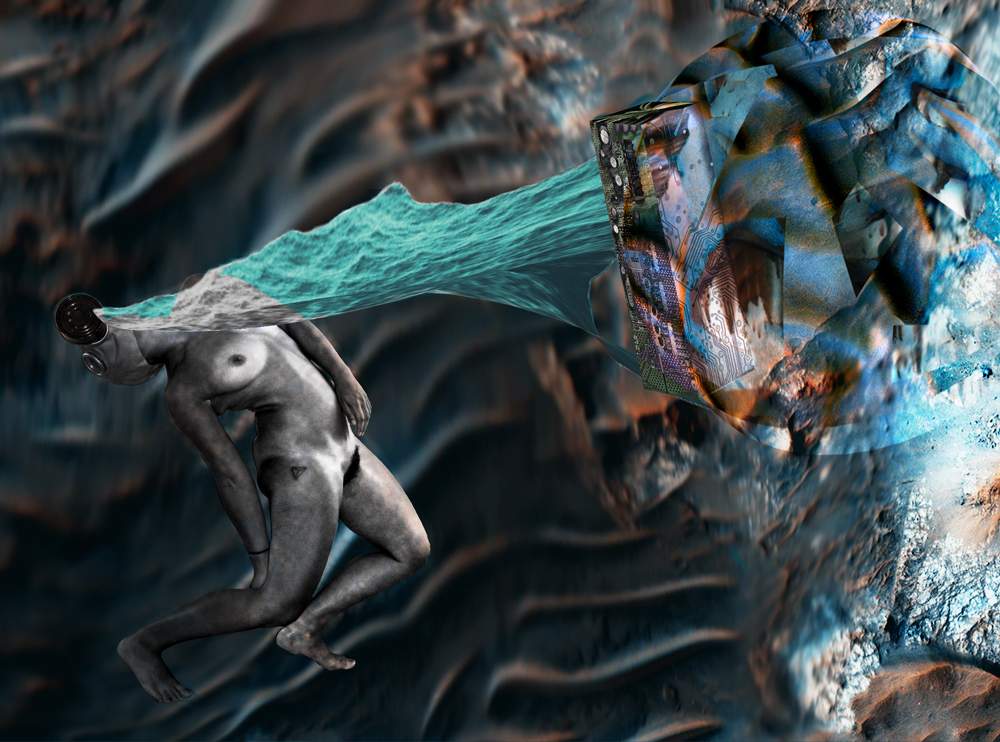
Artwork title
Symbiotic Experiment for Future Ways of Breathing
Artist name
Carlotta Aoun
Artwork Description:
Explore Carlottas Visions
Symbiotic Experiment for Future Ways of Breathing is an experiential series that examines the relationship between breath and technology. This video-triptych explores breath through different forms : breath in isolation, breath in distance, breath as a social movement, breath as an oppressive force...

As computers and smartphones become ever more necessary to our society,  we unintentionally transform them into a necessity – or perhaps a physiological need. It is as if our own breath, trapped in a virtual dimension, expands into a confining, burdening mass. It is as if, instead of using our breath to speak, we retain it, and asphyxiate.
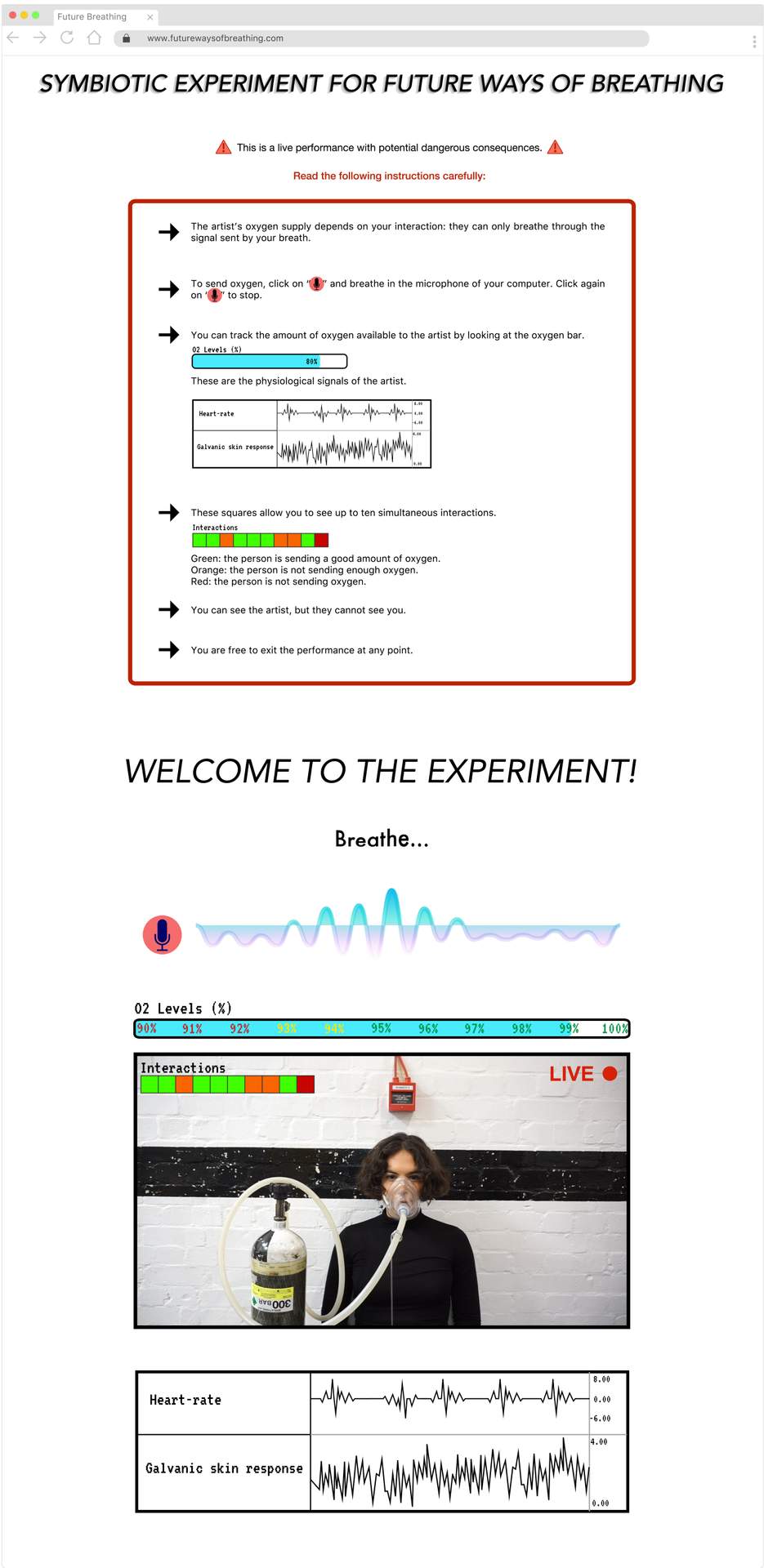
Artwork title
Symbiotic Experiment for Future Ways of Breathing : Establishing the Problem
Artist name
Carlotta Aoun
Artwork Description:
Explore Carlottas Visions
Symbiotic Experiment for Future Ways of Breathing is an experiential series that examines the relationship between breath and technology. This video-triptych explores breath through different forms : breath in isolation, breath in distance, breath as a social movement, breath as an oppressive force...

As computers and smartphones become ever more necessary to our society,  we unintentionally transform them into a necessity – or perhaps a physiological need. It is as if our own breath, trapped in a virtual dimension, expands into a confining, burdening mass. It is as if, instead of using our breath to speak, we retain it, and asphyxiate.
Artwork title
Symbiotic Experiment for Future Ways of Breathing
Artist name
Carlotta Aoun
Artwork Description:
Explore Carlottas Visions
Symbiotic Experiment for Future Ways of Breathing is an experiential series that examines the relationship between breath and technology. This video-triptych explores breath through different forms : breath in isolation, breath in distance, breath as a social movement, breath as an oppressive force...

As computers and smartphones become ever more necessary to our society,  we unintentionally transform them into a necessity – or perhaps a physiological need. It is as if our own breath, trapped in a virtual dimension, expands into a confining, burdening mass. It is as if, instead of using our breath to speak, we retain it, and asphyxiate.
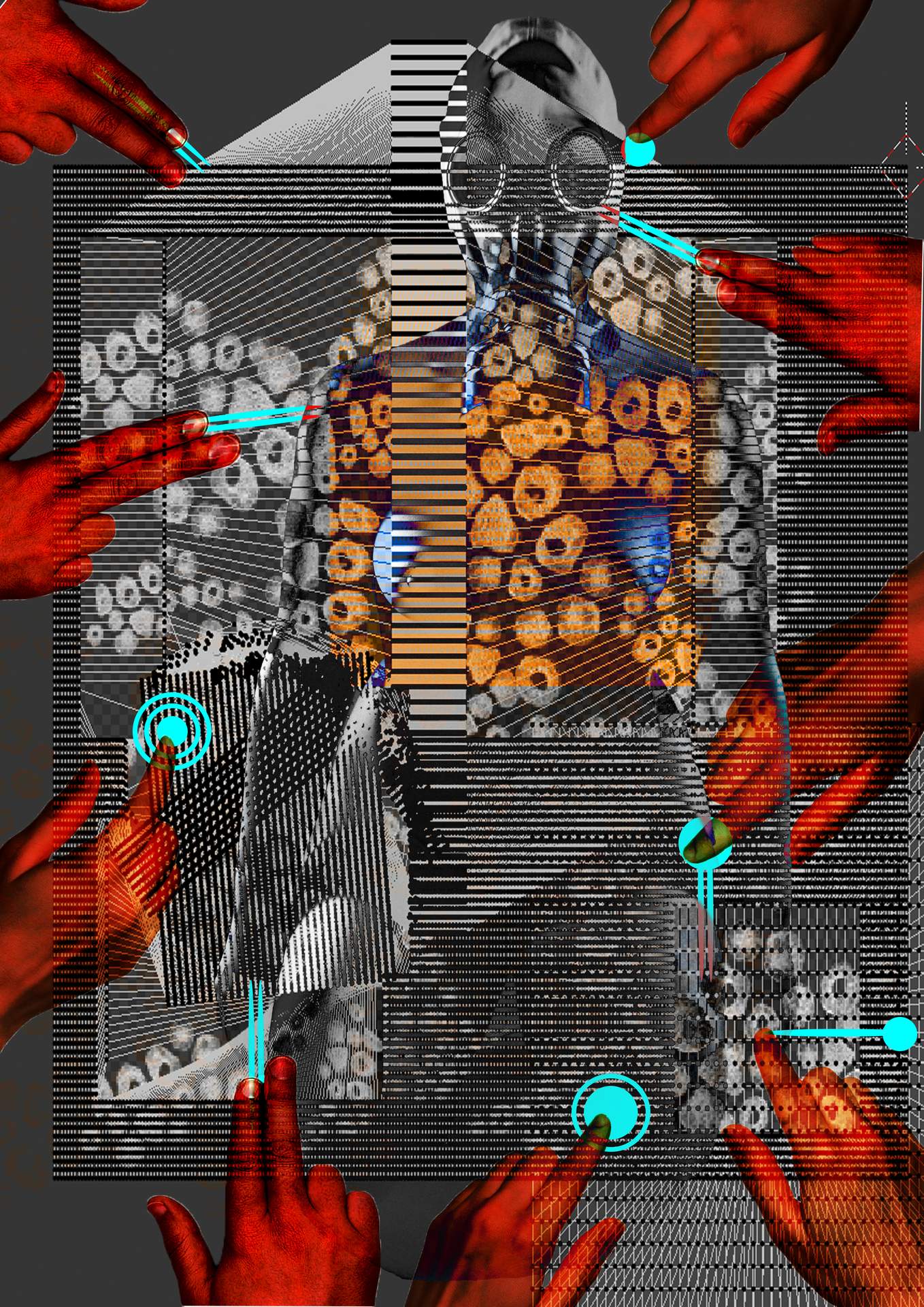
Artwork title
Symbiotic Experiment for Future Ways of Breathing
Artist name
Carlotta Aoun
Artwork Description:
Explore Carlottas Visions
Symbiotic Experiment for Future Ways of Breathing is an experiential series that examines the relationship between breath and technology. This video-triptych explores breath through different forms : breath in isolation, breath in distance, breath as a social movement, breath as an oppressive force...

As computers and smartphones become ever more necessary to our society,  we unintentionally transform them into a necessity – or perhaps a physiological need. It is as if our own breath, trapped in a virtual dimension, expands into a confining, burdening mass. It is as if, instead of using our breath to speak, we retain it, and asphyxiate.
Artwork title
Symbiotic Experiment for Future Ways of Breathing : Establishing the Problem
Artist name
Carlotta Aoun
Artwork Description:
Explore Carlottas Visions
Symbiotic Experiment for Future Ways of Breathing is an experiential series that examines the relationship between breath and technology. This video-triptych explores breath through different forms : breath in isolation, breath in distance, breath as a social movement, breath as an oppressive force...

As computers and smartphones become ever more necessary to our society,  we unintentionally transform them into a necessity – or perhaps a physiological need. It is as if our own breath, trapped in a virtual dimension, expands into a confining, burdening mass. It is as if, instead of using our breath to speak, we retain it, and asphyxiate.
Artwork title
DSS Interview Series
Artist name
Julian Guderley
Artwork Description:
Design Science Studio Interview Series. Watch the full length Interviews with several DSS artists here: https://www.greenplanet-blueplanet.com/designsciencestudio
-BGQLRRkv.png)
Artwork title
DSS Interview Series
Artist name
Julian Guderley
Artwork Description:
Design Science Studio Interview Series. Watch the full length Interviews with several DSS artists here: https://www.greenplanet-blueplanet.com/designsciencestudio
-P3Pmjwq3.png)
Artwork title
DSS Interview Series
Artist name
Julian Guderley
Artwork Description:
Design Science Studio Interview Series. Watch the full length Interviews with several DSS artists here: https://www.greenplanet-blueplanet.com/designsciencestudio
Artwork title
MICROMEGAS Preface
Artist name
Serena Treppiedi
Artwork Description:
Explore MICROMEGAS
At the edge of a closeby galaxy, on a little rocky satellite spinning slowing around its planet, a marvellous creature sits in contemplation, looking at the vastness of the part of universe he has just explored.
His name is Micromégas, inhabitant of Sirius, an explorer and traveller only 38 km tall but with an even greater mind.
He keeps watching back, at the procession of stars that he now knows so well, and he recalls from his memories the dense and cold fogs of Osiris’ desert, the hot iceberg floating on lava ocean in Proxima C, the minuscule squashed planet Haumea spinning like a frisbee that always returns.
Difference, difference everywhere, but also proportions . . .
Suddenly, a wrinkle of expression worries the perfection of his face: one memory is less pleasant and invades his wisdom with doubts. 300 solar years ago he visited a little irregular planet in the Solar system, an he questioned its minuscule inhabitants, almost invisible to his eyes, to find out that one of the smallest creature he ever met is the one with the greatest ego and pride.
This population is quite familiar with a little number of universal laws and has developed tools to make up for its quite limited senses, but never really achieved a result without provoking some damage and a huge amount of scraps. They are not the only specie on that wandering rock, they have no knowledge of the inhabitants of other worlds and yet, they believe of being themselves the centre and aim of all creation.
He decides, before returning to his planet, to visit and question those creatures again. So Micromégas jump on a few comets, spins on a Saturn rings and using the eccentric force finally land in a little lake we call Atlantic Ocean.
And now here he is, on planet Earth to meet us, humans, once again.
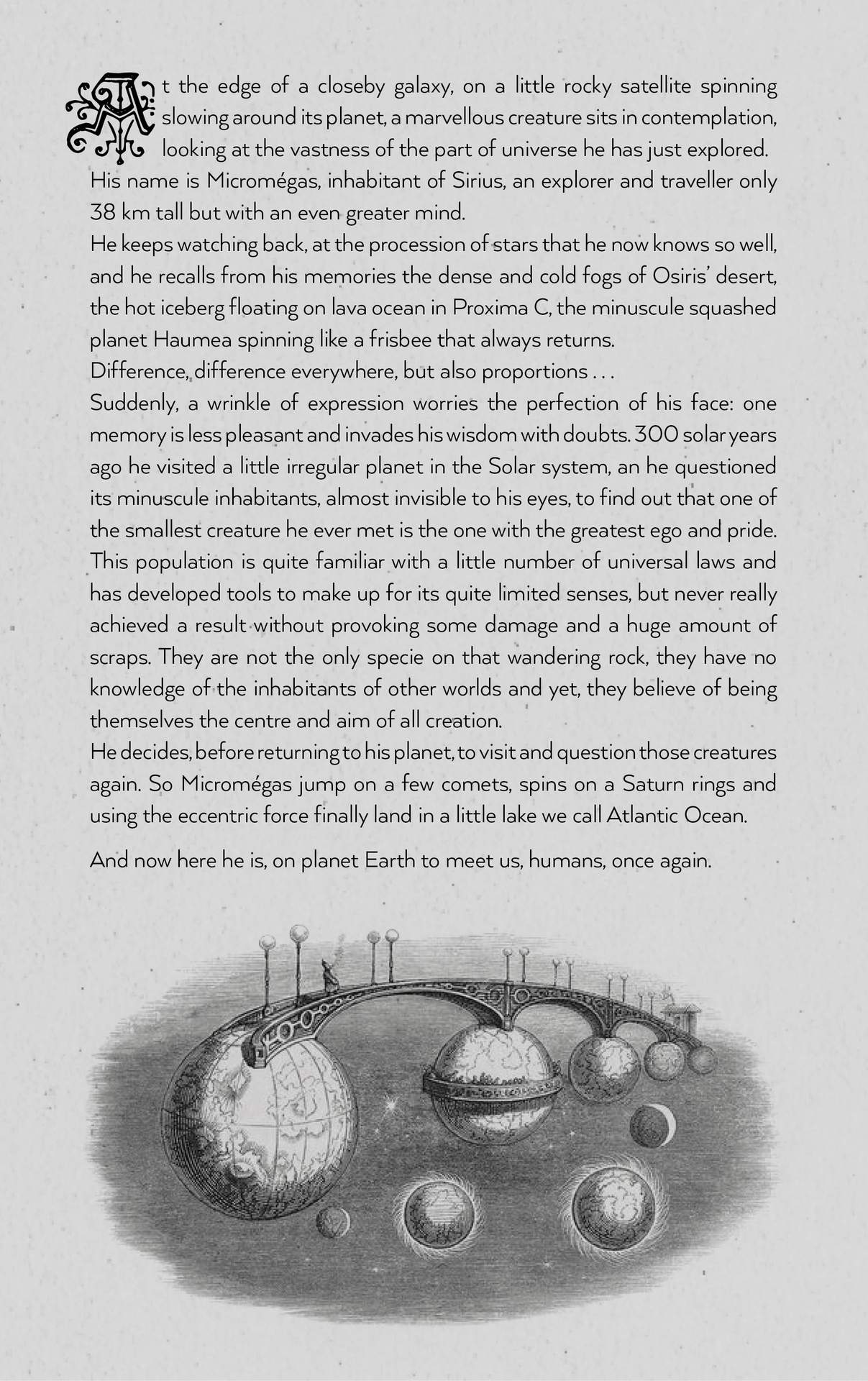
Artwork title
Symbiotic Experiment for Future Ways of Breathing : Establishing the Problem
Artist name
Carlotta Aoun
Artwork Description:
Explore Carlottas Visions
Symbiotic Experiment for Future Ways of Breathing is an experiential series that examines the relationship between breath and technology. This video-triptych explores breath through different forms : breath in isolation, breath in distance, breath as a social movement, breath as an oppressive force...

As computers and smartphones become ever more necessary to our society,  we unintentionally transform them into a necessity – or perhaps a physiological need. It is as if our own breath, trapped in a virtual dimension, expands into a confining, burdening mass. It is as if, instead of using our breath to speak, we retain it, and asphyxiate.
Artwork title
(RE)CREATORS -REGENERATIVE FRAMEWORKS I
Artist name
Tara Baswani
Artwork Description:
Re-creators
A cornerstone of the (RE)CREATORS series,  Regenerative Frameworks I is a mediated world, re imagining a flourishing Earth with aligned natural and built ecosystems of care for all living systems.

An homage to Buckminster Fullers' World Game, this simulated experience re-envisions the Dymaxion Map as an interconnected global landscape of environmental renewal.

Nature sourced, neural nourishing soundscapes and visual gradients frame the Evolving Manifesto of Regenerative Frameworks to Create your Purpose. This strategic culture design framework cultivates purposeful living principles and practices for re creating essential cycles of planetary wellness and regeneration.

Biomorphic animations reveal interconnected pathways of botanical blooms, trees, birds and pollinators. Sparking restorative calibrations for minds and matter to meet, they envision sanctuaries for enhancing biodiversity in urban futures and recreational spaces. Geodesic patterns in nature inform biomimicry builds for future eco spatial designs.

This installation is the invisible heart of the Dymaxion House, located in the (RE)CREATORS -Regenerative Frameworks I Topia World in the REGEN:ERA city.

Created, designed and produced by LembasWorks, feat. the (RE)creators Collective.
Incubated by the Design Science Studio, Buckminster Fuller Institute.
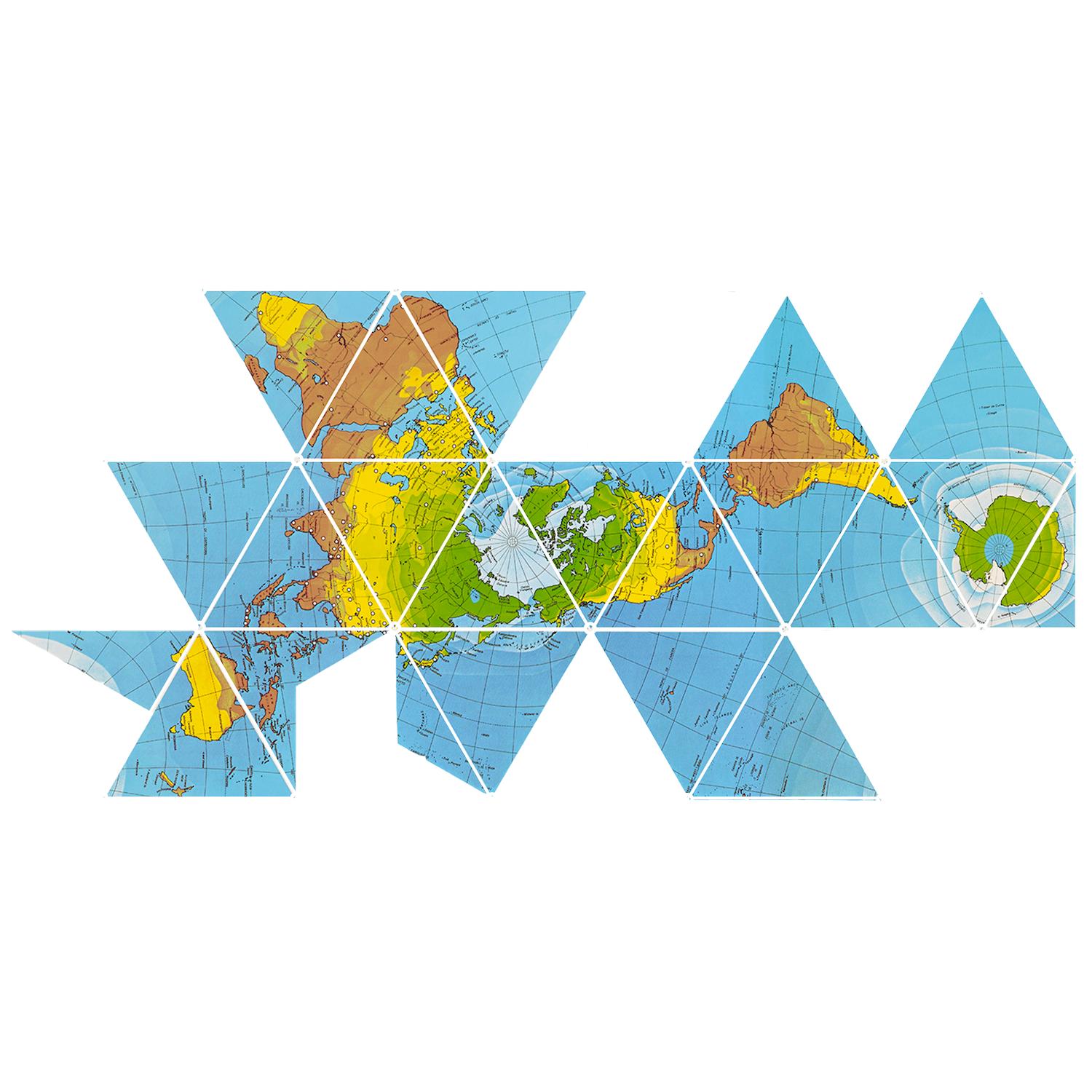
Artwork title
Regenera Transport System
Artwork Description:
CLICK HERE TO TRAVEL
Regenera Launchpad
Explore all the Regenera's virtual worlds!