New
Art
City
Virtual Art Space
Art
City

Catalog view is the alternative 2D representation of our 3D virtual art space. This page is friendly to assistive technologies and does not include decorative elements used in the 3D gallery.
Space Title
The Cathedral
Within the World Titled
Apotheosis of the Uncanonized
Credited to
Leviathan Shoates
Opening date
September 30th, 2025
View 3D Gallery
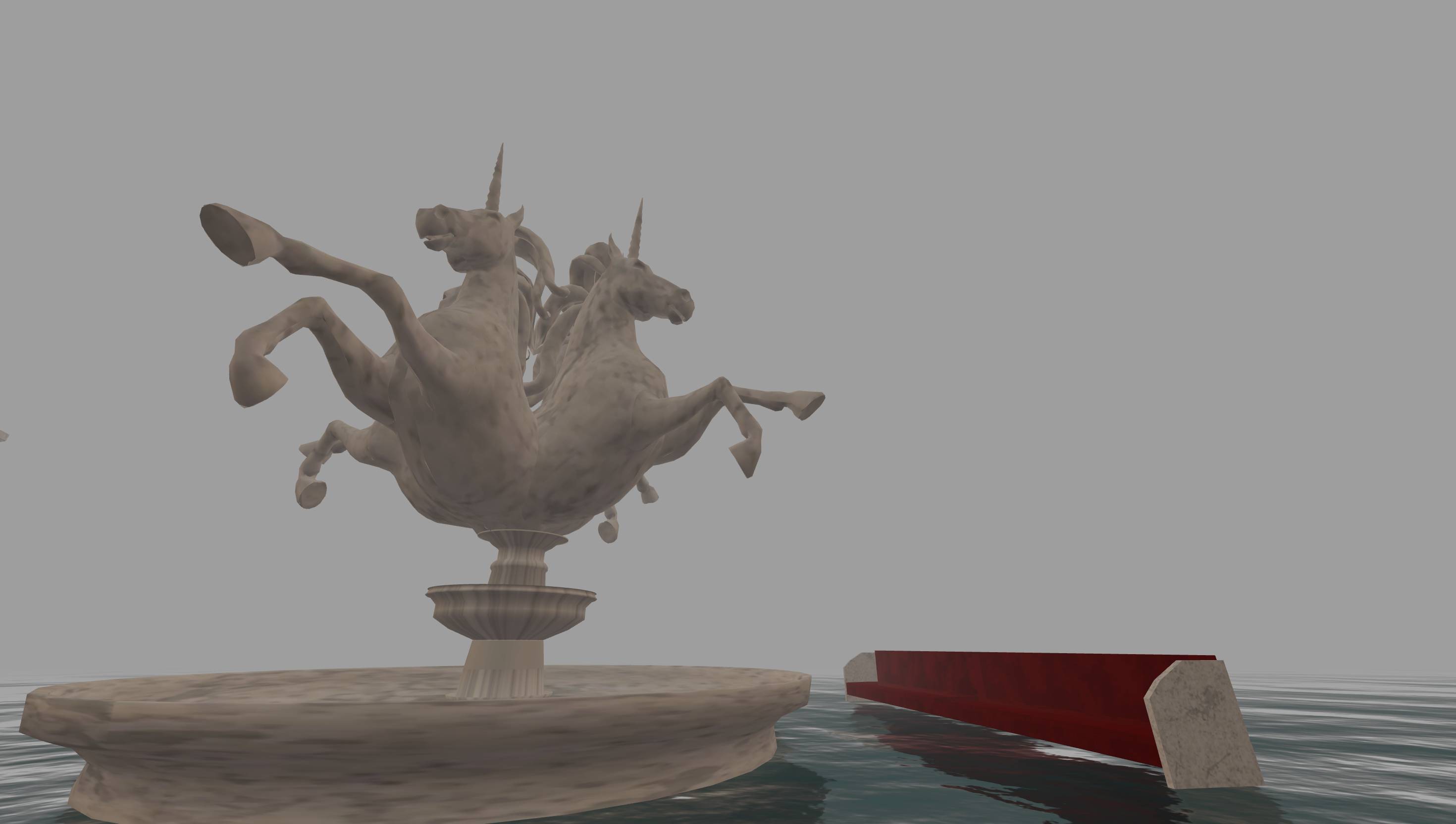
Spaces in this world:
Statement:
Apotheosis of the Uncanonized reimagines historical aesthetics within a contemporary queer lens. It borrows from the visual language of the Renaissance and Baroque to center queer bodies and challenge the classical idealized body and divine forms. It is a firm exclamation of queer existence as sacred and monumental.
Artworks in this space:
Artwork title
Polyptych | 2025
Artist name
Leviathan Shoates
Artwork Description:
https://www.leviathanart.com/bfa-exhibit#1
The original form of the 5 artworks featured in this exhibit was a polytripth made for a graduating undergraduate senior show. There was always the idea of making a virtual environment to house this idea. Why? Virtual environments via the internet and various social media platforms are often the only safe space for LGBTQ+ individuals. This work belongs in that safe space, forever.
Panels from top to bottom: Coronation of Mary, Martyrdom of Saint Sebastian, Faciam Ut Mei Memineris, Ecce Homo, Sappho 31
Artwork title
Coronation Of Mary | 2024
Artist name
Leviathan Shoates
Artwork Description:
In this reimagining of the Coronation of Mary, the Virgin Mother takes the form of a black trans woman. Her crowning becomes an invitation to examine the racial and gendered narratives within holy iconography, as well as to envision bodies outside the narrative.
 It has reconfigured the scene into one of devotion, honor, and love to all forms of womanhood that embraces all aspects of idenity.
Artwork title
Martyrdom of Saint Sebastian | 2024
Artist name
Leviathan Shoates
Artwork Description:
This reinterpretation of Saint Sebastian, the young saint, appears as a pre-surgery trans masculine body, challenging the Renaissance era convention of Sebastian that was depicted as feminine and eroticized. The martyrdom becomes a space of emergence and resilience. Highlighting bodies in transition in reverence and included in the greater narrative.
Artwork title
Faciam Ut Mei Memineris | 2025
Artist name
Leviathan Shoates
Artwork Description:
"You will remember me" or "I will make you remember me", as used by Roman playwright Plautus, makes an active, forceful declaration of identity and presence. Adorned with various historic symbols of the LGBTQ community, such as lambdas, lavender, cornations, and unicorns, it asserts that the community is immovable and unerasable. The visual form of Faciam Ut Mei Memineris is inspired by portrait coverings formerly used during the Renaissance.
Artwork title
Ecce Homo | 2025
Artist name
Leviathan Shoates
Artwork Description:
This work takes the traditional scene of Ecce Homo, the suffering of Christ, and instead places that suffering as a site of affirmation, recognition, and bodily autonomy by depicting Jesus as a black transman who has undergone gender affirming surgery.
Artwork title
Sappho 31
Artist name
Leviathan Shoates
Artwork Description:
Draped in silks and blankets, this moment of desire between various women is set in a scene of intimacy and desire. A quiet moment of connection, celebrating the erotic and affectionate bonds across a diverse embodiment of womenhood.
Artwork title
Until We Have Faces | 2025
Artist name
Leviathan Shoates
Artwork Description:
https://www.leviathanart.com/other-illustrations
Until We Have Faces examines the denied representation and erasure of queer individuals within religious, cultural, and historical narratives. Who has been granted representation and who has been denied it? Within these conditions, many have emerged into themselves. Identity is continually shaped and reclaimed.
Artwork title
Stained Glass Violets
Artist name
Leviathan Shoates
Artwork Description:
Violets have become a flower recognized for sapphic love derived from several poems by the ancient Greek poet, Sappho, where she describes women wearing a garland of violets. In 1927, the play, "The Captive" or "La Prisonnière", violets are sent between two women as a romantic gesture. The play received public outroar and was shut down by the police after its final performance in France. Supporters of the play wore violets pinned to their lapels to protest its censorship.
Artwork title
Stained Glass Lavender
Artwork Description:
Both the color and flower, Lavender, have become symbols of the LGBTQ community. It has been reclaimed as a symbol of resistance and visibility. The color is associated with the "Lavender Scare" which was a moral panic about homosexual men in the US government, causing mass layoffs and the march from Washington Square Park to Stonewall Inn, where the color was given out as sashes and armbands as a color of resistance.
Artwork title
Stained Glass Unicorn
Artist name
Leviathan Shoates
Artwork Description:
A stained glass window depicting a Unicorn. Due to their associations with rainbows, they have become a symbol of the LGBT community and are often seen in various forms at Pride fests.
Artwork title
Stained Glass Triangles
Artist name
Leviathan Shoates
Artwork Description:
One of the oldest LGBTQ symbols is the downward triangle, originating from Nazi concentration camps. This symbol was used to identify homosexual men and transgender women. This symbol was later reclaimed by gay men in various political movements such as ACT UP. Other symbols used during this era against LGBT individuals include the black downward triangle for anyone "asocial," which included homosexual men, nonconformists, sex workers, among others. The downward pink triangle, along with the upward yellow triangle, was used to identify Jewish homosexuals.